The United States budget deficit surged to its highest monthly level in more than five years in July, driven by rising Medicare costs and continued pressure from interest payments on the federal debt.
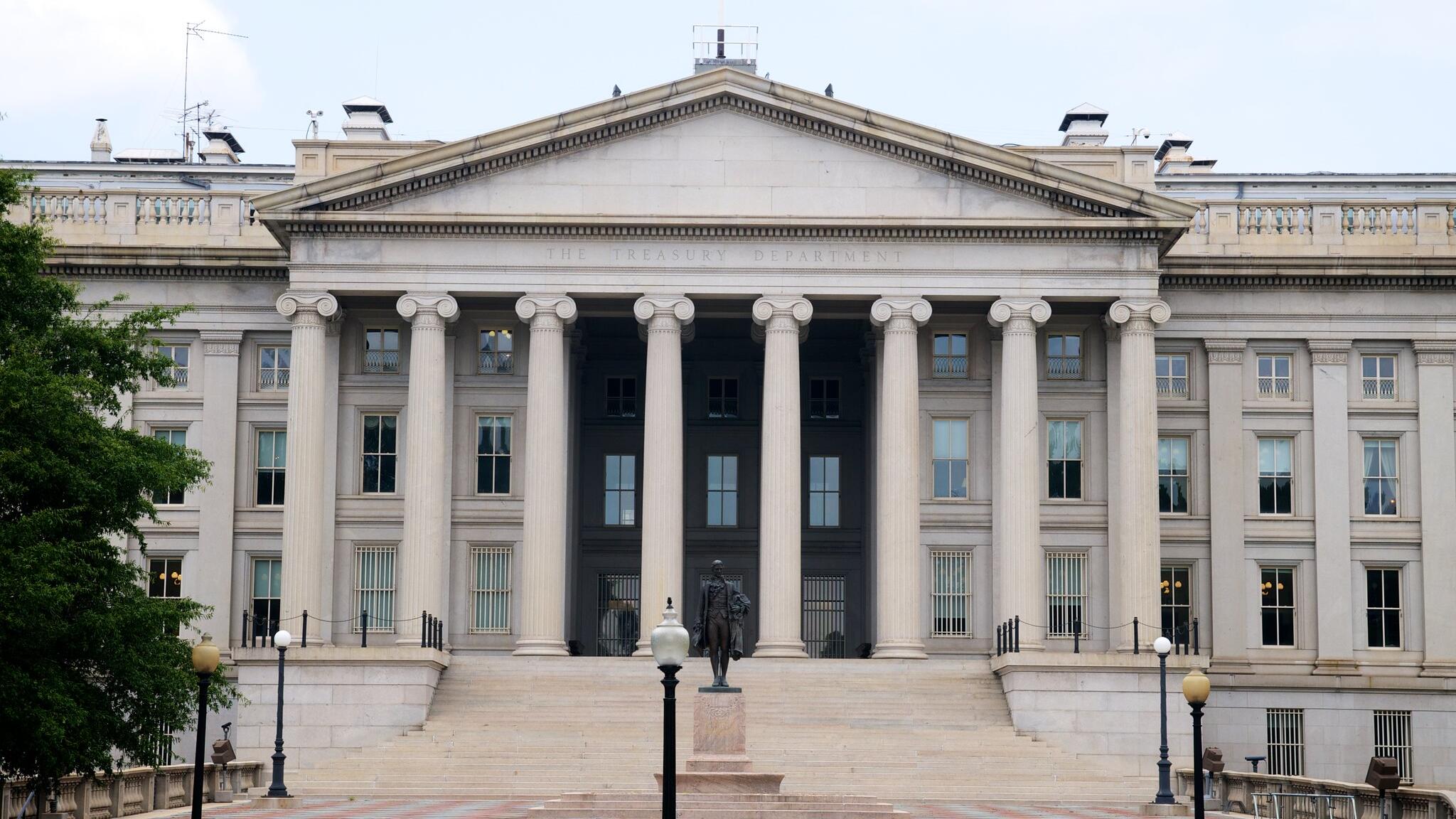
The July deficit totalled US$432.3 billion, up around 48% from the same month a year earlier and the largest monthly shortfall since March 2021, according to the Treasury Department.
The deficit for the first 10 months of the government’s fiscal year has now reached nearly $1.8 trillion, surpassing the total recorded over the same period in 2025.
Medicare expenses rose sharply to $174 billion in July, up from $103 billion in June, bringing spending for the fiscal year to $955 billion.
It was the government’s largest expenditure for the month, ahead of the $141 billion spent on Social Security and $104 billion in net interest on the national debt.
Tariff refunds also weighed on the budget, costing $33 billion as the administration continues to issue rebates for levies that the Supreme Court ruled illegal.

A further $99 billion was added to the July deficit because the first day of the month fell on a non-business day, accelerating various benefit payments as well as Supplemental Security Income and Medicare payments.
Debt financing remains one of the largest components of government spending. For the fiscal year to date, the U.S. has paid $1.17 trillion in interest on its $39.9 trillion national debt, including $32.1 trillion held by the public.
Debt servicing costs totalled $1.01 trillion during the same period a year earlier.
Net interest, which excludes interest received by the Treasury from its gross interest payments, reached $931 billion.
President Donald Trump has long pushed the Federal Reserve to lower benchmark interest rates to reduce the government's debt-servicing costs.
He has largely refrained from criticising the central bank since his nominee, Kevin Warsh, became chairman in May.
Markets had until recently been expecting the Fed to raise interest rates to contain inflation, which has remained above the central bank’s 2% target for more than five years.