
JPMorgan unveiled a US$50 billion buyback program and raised its dividend 10%, moving within minutes of the Federal Reserve clearing all 32 major United States banks in the annual stress test.
Goldman Sachs, Wells Fargo and Morgan Stanley lifted dividends by 11%, 11% and 15% respectively, with Morgan Stanley also reauthorising a $20 billion repurchase program.
The industry's CET1 ratio fell 1.6 percentage points under the severe scenario, from 12.8% to 11.2%, still well above the 4.5% floor after $708 billion in modelled losses.
Fed's test assumed 10% unemployment, commercial real estate down 39% and home prices off 30% - yet none of the 32 banks came close to breaching minimum capital requirements.
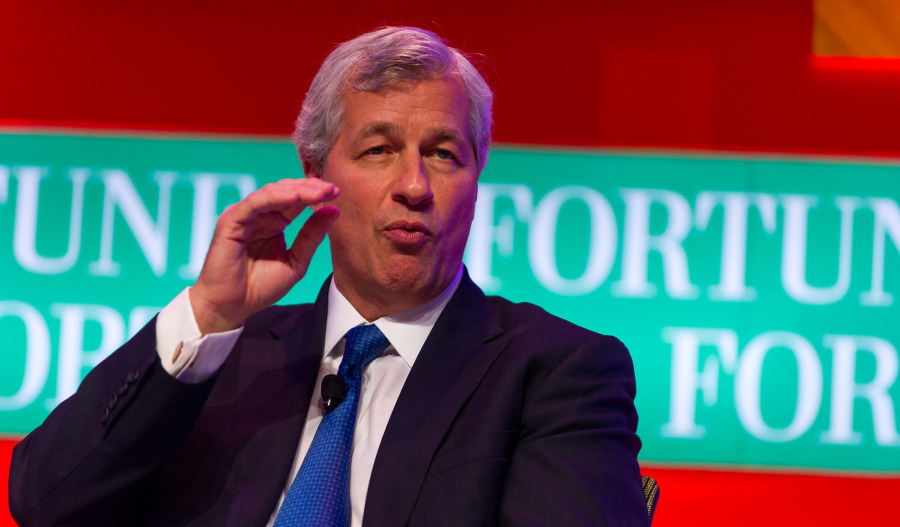
"The Board's intended dividend increase is supported by our consistent investment in our business and strong financial performance," JPMorgan CEO Jamie Dimon said.
Going through the motions
KBW analysts called this year's exercise "going through the motions" in a 21 June note, pointing investors toward the Basel III Endgame re-proposal expected later in 2026 instead.
The Fed froze stress capital requirements in February until 2027 pending a methodology overhaul, meaning Wednesday's results carry no bearing on what any of the 32 lenders must actually hold.
Banks entered Wednesday already knowing their capital requirements, stripping the test of its traditional role as gatekeeper on shareholder returns.
Fed Vice Chair for Supervision Michelle Bowman confirmed the results would not affect existing capital buffers, locked in until October 2027.
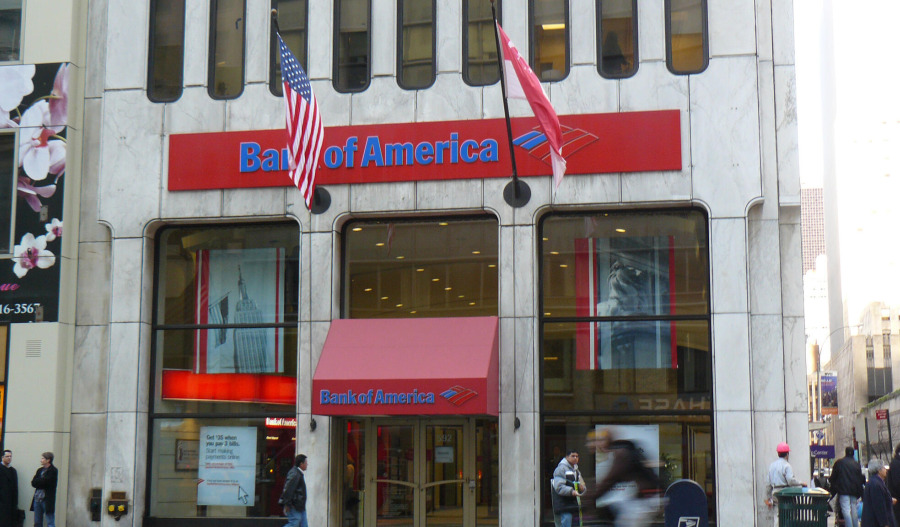
Only Bank of America was the one name absent from Wednesday's announcements, with CEO Brian Moynihan signalling a dividend decision for July.

Basel III is the fight
The more consequential shift was in March, when the Fed, OCC and FDIC jointly published a revised Basel III Endgame framework that departed sharply from the Biden-era 2023 proposal.
That proposal would have lifted capital requirements at the largest lenders by 16-19%.
The March 2026 version is designed to be broadly capital-neutral, with some analyses suggesting aggregate requirements at the biggest banks could fall roughly 6% under the revised rules.
The Fed Board voted 6-1 to advance all three proposals, with former Vice Chair Michael Barr - architect of the 2023 package - the only dissent, which tells you where the regulatory pendulum has settled.
Banks have their own incentive to push for a quick result - a capital-neutral deal locked in now is considerably harder for any future administration to reopen.
JPMorgan's Q1 call flagged that the G-SIB re-proposals could still lift capital requirements by $20 billion by 2028 - even under revised rules, the final bill is not settled.
What to watch
- The Basel III re-proposal comment period closed on 18 June, with a final rule expected in late 2026 and implementation targeted for 2027.
- Q2 earnings from JPMorgan, Goldman Sachs, Wells Fargo, Citigroup and Bank of America land in mid-July - trading revenues and investment banking activity face a volatile macro backdrop driven by the Iran conflict.
- Bank of America's pending dividend announcement in July.
- Any Fed guidance on the methodology review timeline will determine whether the 2027 stress test recovers the regulatory weight it has, for now, quietly set aside.