Ukraine and Russia have completed their second day of United States-led talks in Abu Dhabi without any breakthrough on ending the war.
Both sides agreed to hand over 157 prisoners of war, as confirmed by officials of Ukraine and the U.S., as well as Russia’s Ministry of Defence.
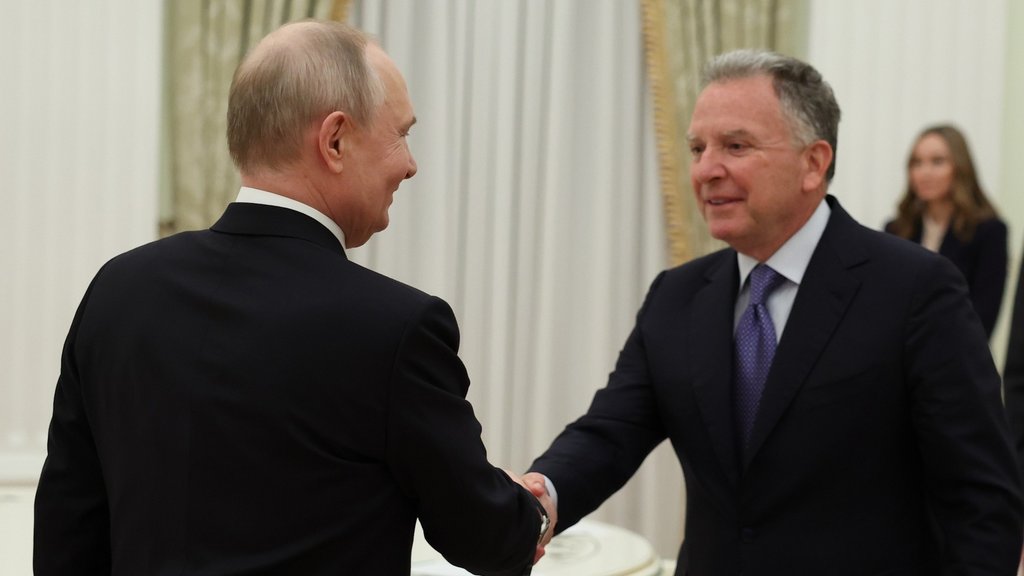
While Steve Witkoff, U.S. President Donald Trump’s special envoy, said the prisoner swap showed that “sustained diplomatic engagement is delivering tangible results and advancing efforts to end the war in Ukraine”, significant work remains in peace negotiations.
The most recent meeting lasted three hours and followed a round of trilateral negotiations the day before that ran for five hours.
Progress was also reached in strengthening the U.S.-Russian engagement.
According to the U.S. military’s European Command, the two sides agreed to re-establish high-level military-to-military dialogue, which has been suspended since 2021.
Before the conclusion of the most recent talks, Russian negotiator Kirill Dmitriev told state media that “things are moving in a good direction”, with active work to restore Russia’s relations with the U.S., including within the framework of a U.S.-Russian working group on the economy.

However, he criticised what he described as attempts by European nations to “disrupt” and “meddle” in the process.
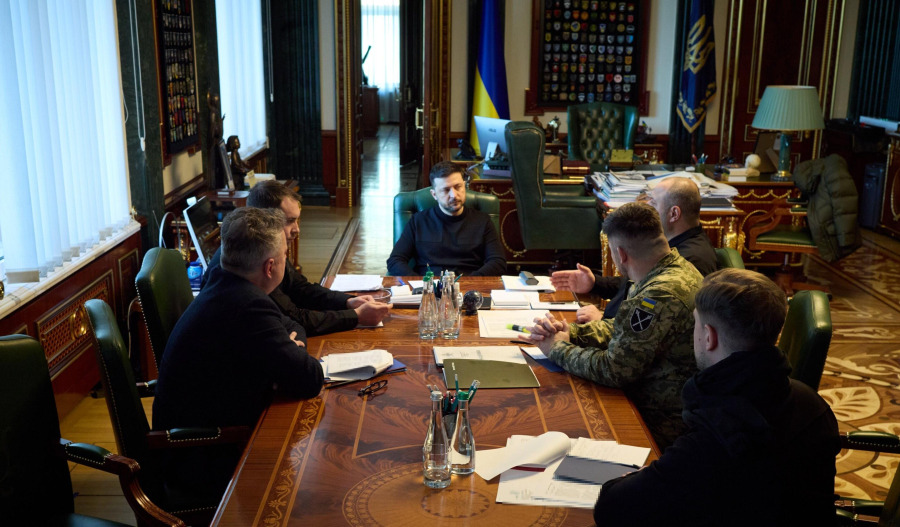
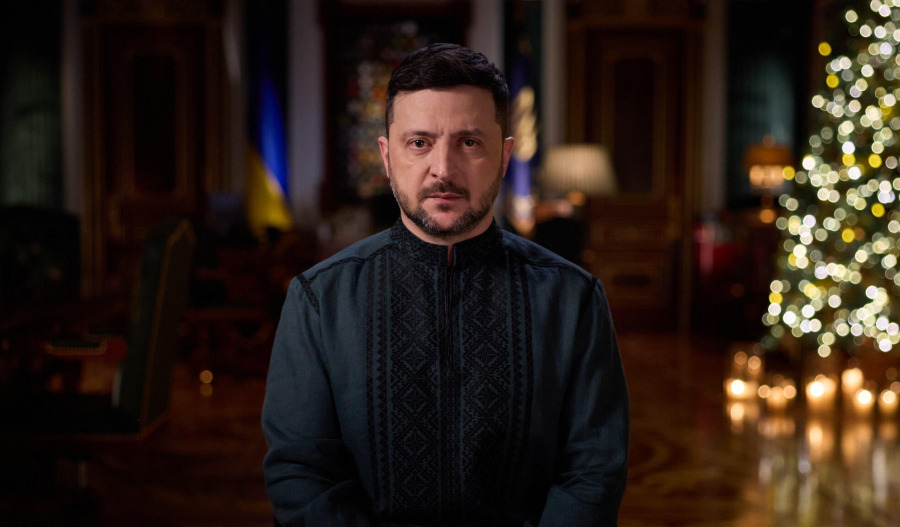
Ukraine’s President, Volodymyr Zelenskyy, said peace talks will continue in the near future.
Both sides have also sent senior military and intelligence officials to Abu Dhabi, signalling a more serious approach to negotiations than when Moscow previously dispatched lower-level delegations.
“For the first time in a very long time, technical military teams from Ukraine and Russia are meeting in a format in which we are also participating,” the U.S. Secretary of State Marco Rubio said.
“Progress is unlikely to become clear, even with information leaks, until a genuine breakthrough is achieved. Our objective is to remain committed to this process.”
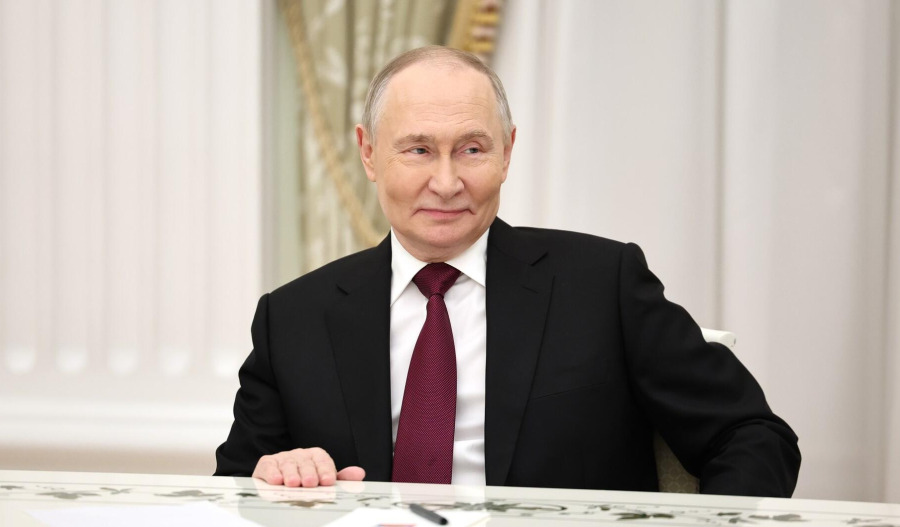
It is unclear how willing Russian President Vladimir Putin will be to compromise, as he has repeatedly claimed Russia is winning the war and signalled he was prepared to prolong the fighting unless Ukraine accepted Moscow’s draconian terms, which have also included a cap on Ukraine’s military and a ban on Western troops on its territory.
While Moscow’s advances on the battlefield have slowed on the battlefield, due to freezing temperatures and Ukrainian resistance, Russian forces have still continued with sustained strikes on Ukraine’s energy infrastructure.
This has caused prolonged blackouts and deepened the humanitarian toll, in what Kyiv and its allies describe as an attempt to sap civilian morale.