Uber shares declined on Wednesday after the company issued a weaker-than-expected outlook for third-quarter bookings and earnings, overshadowing revenue growth and a second-quarter result that broadly matched analyst expectations.
Shares closed 5.3% lower following the earnings release.
Uber reported earnings per share of 81 cents, compared with expectations of 80 cents, while revenue came in at US$14.19 billion, slightly below forecasts of $14.24 billion.
Revenue increased 12% from $12.65 billion a year earlier, while net income rose to $2.39 billion, or $1.17 per share, from $1.35 billion, or 63 cents per share, in the same period last year.
The company’s core mobility business generated $7.36 billion in second-quarter revenue, while delivery revenue reached $5.25 billion.
Mobility gross bookings increased 22% year-on-year to $28.99 billion, while delivery bookings jumped 26% to $27.46 billion.
Total bookings reached $58 billion, exceeding the average analyst estimate of $57.23 billion, according to StreetAccount.
However, Uber’s third-quarter guidance fell short of expectations. The company forecast bookings of $59.25 billion at the midpoint of its range, below the $59.33 billion analyst estimate.
Uber also projected third-quarter earnings per share of 84 cents to 88 cents, below the 89-cent consensus forecast from LSEG.

Uber continues to expand its delivery operations, with the company announcing a $14.8 billion agreement last month to acquire Germany’s Delivery Hero. The deal is expected to expand Uber’s food and grocery delivery presence across additional markets.
Chief executive Dara Khosrowshahi said the World Cup boosted ride-hailing demand during the quarter, with more than 8 million tourists using Uber services across host cities in the United States, Canada and Mexico.
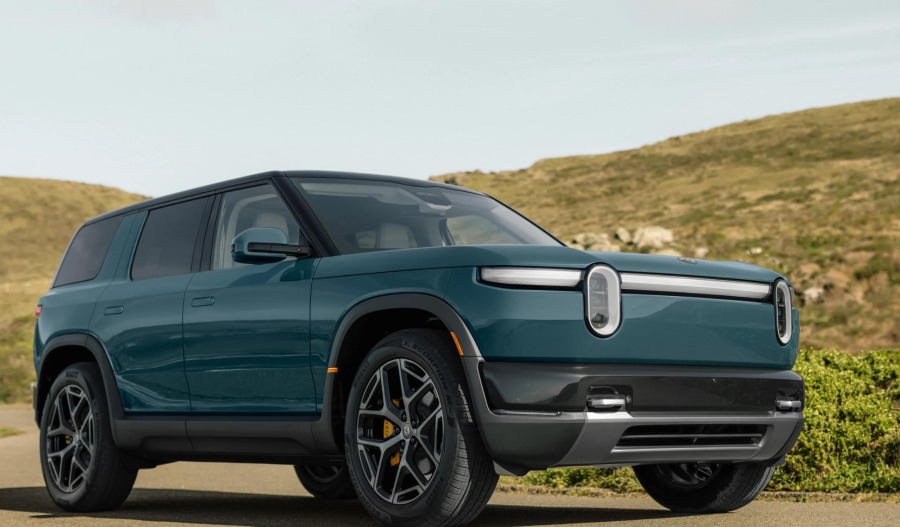
The company is also increasing investment in autonomous vehicles, saying it expects to commit more than $10 billion in coming years to "bring AVs to market at scale".
"As the industry shifts from proving the technology to commercialising it at scale," Uber is building "one of the most valuable positions in the AV ecosystem," Khosrowshahi said.
Uber has continued forming partnerships with autonomous vehicle companies, although early robotaxi partner Waymo appears to be moving away from their previous arrangements.
The companies recently announced they would end an exclusive agreement covering Atlanta and Austin, Texas, by early 2028.
Uber also announced it had cleared another regulatory milestone to offer autonomous rides in London through a partnership with UK-based robotaxi company Wayve.
Khosrowshahi said Uber’s autonomous vehicle efforts aim to "help accelerate the development and training" of self-driving technology for ride-hailing applications.
The company currently has a market capitalisation of US$138.79 billion.