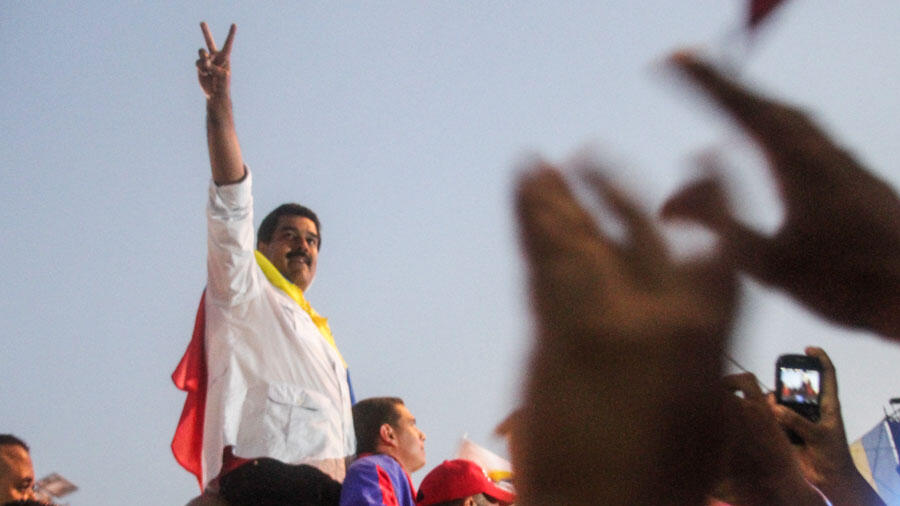
United States forces captured Venezuelan President Nicolás Maduro and took control of the oil-rich South American nation on Saturday after launching a large-scale military strike.
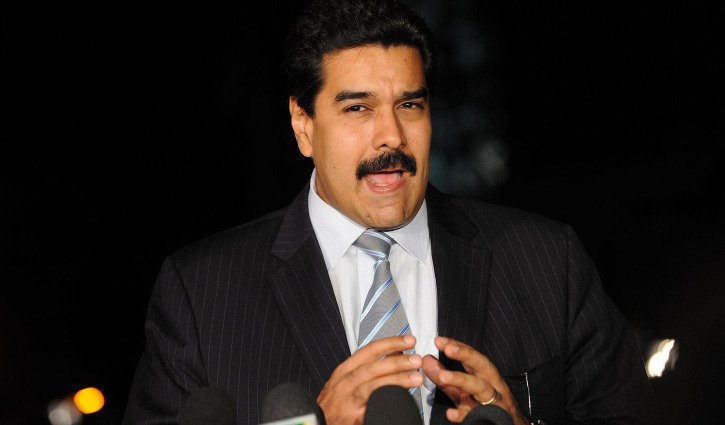
The seizure of Maduro, who was flown to the United States with his wife Cilia Flores to face criminal charges, followed months of pressure from U.S. President Donald Trump. It was condemned by many nations and raised questions about the legality of the operation.
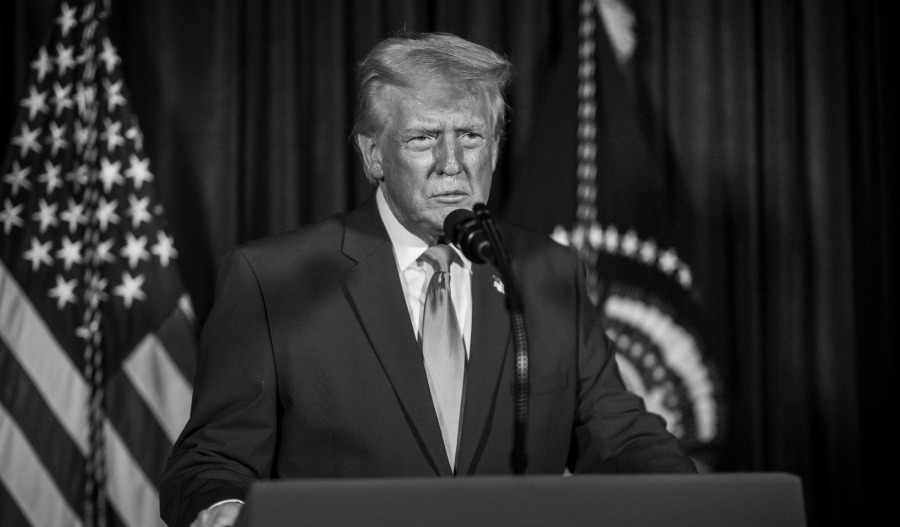
Trump said on Saturday he was putting Venezuela under temporary American control in the wake of the operation, which included strikes on the capital Caracas.
"We will run the country until such time as we can do a safe, proper and judicious transition," he was quoted as saying during a press conference at his Mar-a-Lago resort in Florida.
"We can't take a chance that someone else takes over Venezuela who doesn't have the interests of Venezuelans in mind."
At least seven explosions were heard at about 2am on Saturday while witnesses reported seeing smoke at two key military installations in Caracas.
U.S. authorities said the attack was part of a law enforcement operation to apprehend Maduro on charges including terrorism, drugs and weapons offences.
The United States had considered his government illegitimate since rejecting the results of Venezuela’s 2024 election and blamed the country for the trafficking of drugs that have resulted in thousands of deaths in the United States.

Since September, U.S. forces have killed more than 100 people in at least 30 strikes on alleged drug trafficking boats from Venezuela in the Caribbean and Pacific.
Legal and constitutional experts have questioned the legality of the operation given under international law the use of force in another sovereign state is prohibited except in narrow circumstances such as self-defence or with United Nations authorisation.
The action was widely condemned, with China calling it a violation of Venezuela’s sovereignty and international law, Brazil saying it “crosses an unacceptable line,” and Colombia expressing concern about the impact on regional stability.
Insisting Maduro was still the legitimate president, Venezuelan officials claimed the strikes were an attempt to take control of the nation’s strategic resources, particularly oil and minerals.
It was unclear who was in charge of Venezuela in the president’s absence.
Although the U.S. Congress can declare war, presidents from both side of politics have justified military action when it was limited in scope and in the national interest.
Secretary of State Marco Rubio said Congress was not notified before Saturday's operation.
In 1989, the U.S. arrested Panamanian leader General Manuel Noriega on drug-related charges while in 2022 former Honduras President Juan Orlando Hernández was extradited to the United States, convicted and jailed on drug-related charges.