United States President Donald Trump has signalled a retreat from EU trade hostilities at Davos, announcing a preliminary NATO agreement regarding Greenland.
Writing on Truth Social on Wednesday, the President stated he had reached the "framework of a future deal", following discussions with NATO Secretary General Mark Rutte.
The announcement appears to have effectively halted the administration's impending threat to impose a blanket 10% tariff on European allies - a penalty Trump had explicitly linked to resistance against U.S. designs on the Arctic territory.
"We have agreed on a Framework for the Expansion of NATO to include the Territory of Greenland," Trump wrote.
"It will be a great shield for the United States and the Alliance."
Strategic defence, not force
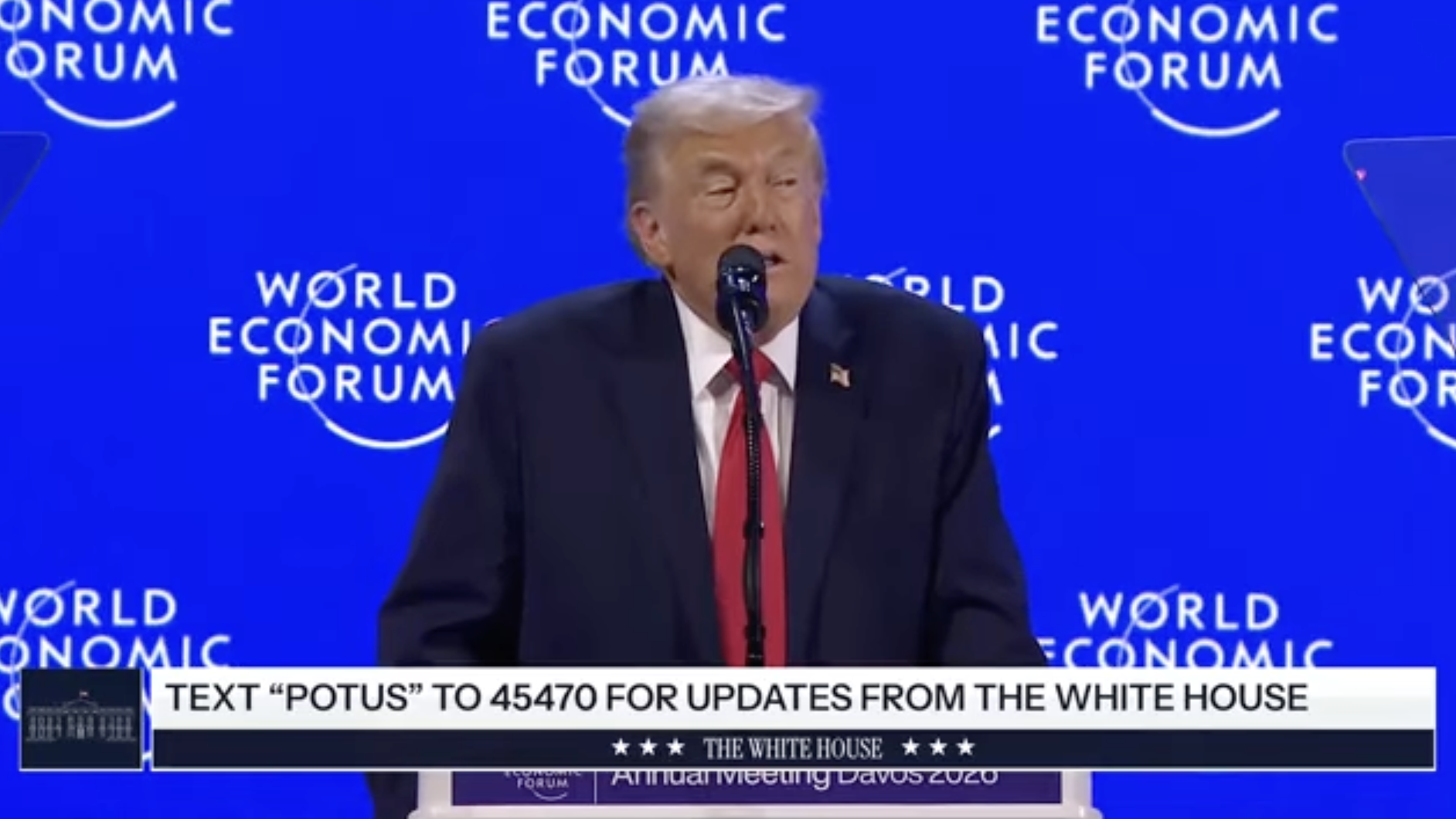
Speaking earlier at the forum, President Trump formally ruled out the use of military force to annex the island, which is an autonomous territory of Denmark.
However, he maintained that the United States requires "ownership" or significant administrative control to facilitate the construction of his proposed "Golden Dome" missile defence shield.
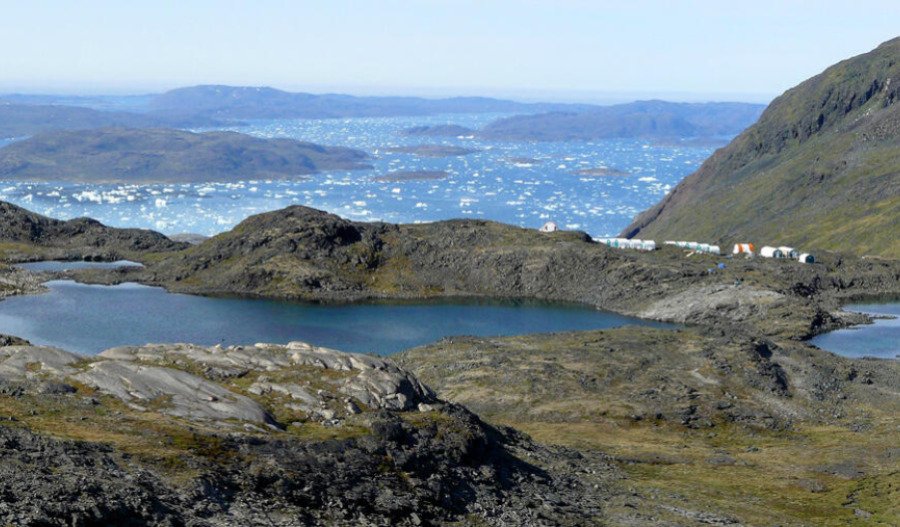
The President described the territory as "an enormous unsecured island" and a "large piece of ice" that poses a security liability if left fortified only by Denmark.
WATCH: Trump's full speech at Davos
While details of the "framework" remain sparse, the move allows the White House to claim a diplomatic victory without immediately disrupting transatlantic trade flows.
The tariff threat had weighed heavily on European markets earlier in the week, particularly affecting German automakers and French luxury goods conglomerates with significant exposure to the U.S. consumer base.

European reaction
The status of the agreement remains subject to verification by Danish and Greenlandic officials, who responded to the developments with a mix of caution and defiance.
Greenland’s Prime Minister Múte B. Egede was blunt in his rejection of any transfer of power, stating that the island's future was not a choice between two foreign powers.
"We don't want to be Americans," Egede told reporters in Nuuk.
"We don't want to be Danish either. Greenland's future will be decided by Greenland."
Danish officials were similarly firm, with Foreign Minister Lars Løkke Rasmussen emphasising that the existing security architecture was already sufficient.
"Greenland is part of NATO," Rasmussen said.
"Denmark is part of NATO, and we can exercise our sovereignty in Greenland."
While acknowledging the de-escalation of the immediate tariff threat, Danish Prime Minister Mette Frederiksen warned that the underlying geopolitical tension remained unresolved.
Speaking to the Danish parliament, Frederiksen noted that "the worst may still be ahead of us."
NATO Secretary General Mark Rutte has not yet publicly confirmed the technical specifics of the "framework" mentioned by the President.
Market impact
Equity markets in Europe rallied on the news that the tariff wall had been deferred.
The spectre of a trade war had threatened to dampen growth forecasts for the Eurozone in Q1 2026.
Wall Street too rallied on Wednesday, erasing much of Tuesday's losses as the threat of an immediate trade war with Europe evaporated.
For the U.S. administration, the focus now shifts to converting this "framework" into a binding agreement, a process likely to face significant legislative hurdles in Copenhagen and Nuuk.