
With Australian companies looking to enter the booming Asian market, RooLife prides itself on having the expertise to make this shift possible.
The company has already helped multiple companies be successful in the Chinese market.
CEO and managing director, Bryan Carr, says this has been possible through RooLife’s knowledge of what sells best and how the Chinese market differs from the West.
“We're very well entrenched and understand the market,” he tells Azzet.
“I think that's probably the advantage that we have, is that many businesses look to go into markets like China, but they take their Western or home market thinking.”
How does China differ from the West?
When transferring a business's services to the Chinese market, Carr says they typically have to start from ground zero with brand recognition.
“What we've identified is that if there's a really well-known brand in Australia, and you take it to China, it may as well be a completely unknown brand,” he says.
“You still have to do the same work, the same sort of trust and you know, market entry time requirements.”
Due to this, Carr says when RooLife is propelling a company into the Chinese market, they often treat it like a brand-new company.
“We operate as a Chinese business for themselves, rather than having to establish a workforce, establish an office, work out how to import, get the licences, get everything that's required in order to sell,” he says.

Carr also says that China’s consumption is on a much greater scale and is more of an e-commerce market than the West.
“Their market is more sophisticated, more mature, greater developed and leads the world in social e-commerce,” he says.
While smartphone purchases accounted for only 44.6% of total US e-commerce sales in 2024, mobile commerce is deeply ingrained in Chinese commerce.
In 2021, social commerce accounted for 14.3% of total online retail sales in China and this share is forecast to reach 17.1% in 2025, making the country a world leader.
Compared to China, social commerce in the West is still in its infancy, with social commerce only reaching 4.1% in the U.S. in 2021.
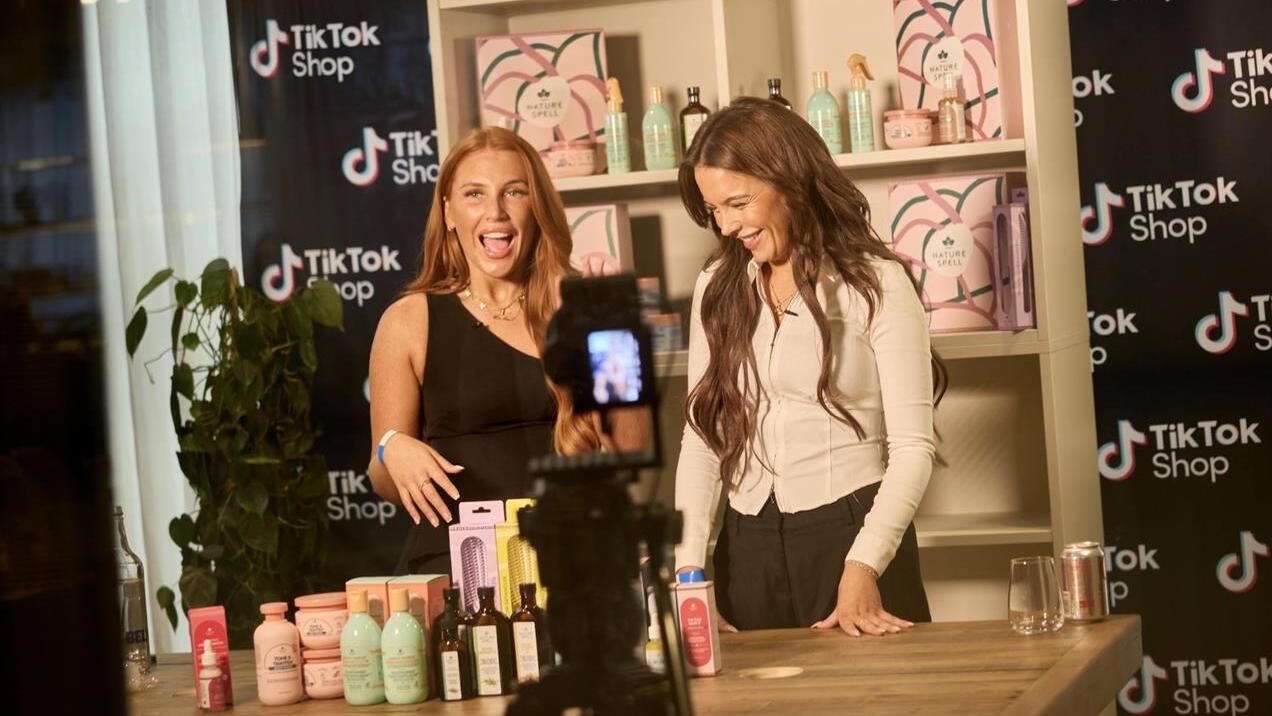
Social commerce is deeply ingrained in Chinese e-commerce platforms through livestreams where influencers can show off products in real time, generating billions in sales annually.

Choosing the right products
To help Australian companies thrive in the Chinese market, RooLife typically works in industries that are on the rise in the Asian country.
These industries include coffee, food and drink, and pharmaceuticals.
Carr says this also works due to Chinese consumers having positive attitudes towards Australian products.
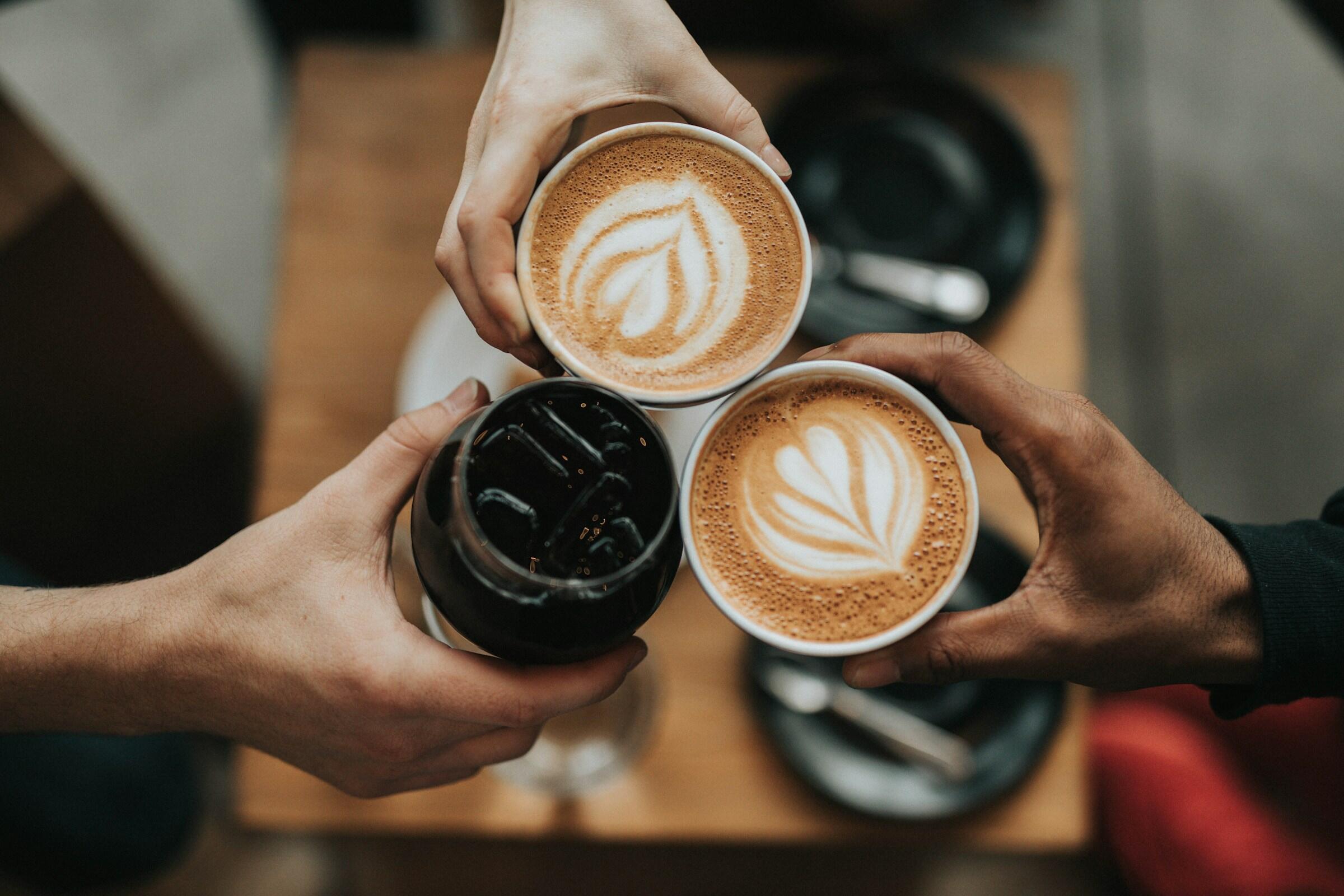
Coffee is one of the industries that has had strong growth in China, with an average annual growth rate of 21% since 2010/11.
For comparison, the average annual growth rate of coffee consumption for the world is 1.8%.
Following the success of coffee in China, RooLife secured a A$64 million deal with wholesaler and distributor Zhongshan Runlian Commercial to bring RooLife-branded coffee items into the Chinese market.
“This deal also opens opportunities to bundle coffee machines with recurring coffee supply subscriptions which will further enhance margins and customer loyalty,” Carr said in a media release.
Despite the huge growth rate, China’s actual volume only accounted for 2.1% of the world’s coffee consumption during 2022/23.
RooLife also built a partnership with Eternal Asia Supply Chain Management, targeting A$100 million in annual sales for both the food and beverage and health and wellness sectors across the region, especially China.
In 2023, the food and beverage market size reached around US$1.67 trillion, representing year-over-year growth of 3.75% and is projected to grow annually by 7.38% from 2024 and 2029.
China also has an appetite for Australian products in this industry, with Australian wine exports being valued at US$1.3 billion by October 2020 and boasting a 27% volume share.
“Australian food and beverage products, is held in a very high regard in China,” he says.
Australia’s pharmaceuticals industry also has a positive image in China.
“They trust Australian wellness products very much,” he says.
“The combination of taking Australian products in that sector is a perfect fit, and it's such a high-growth market in China as well.”
The Chinese supplements market, which includes vitamins, minerals, herbal supplements and other health products, was valued at approximately US$45.5 billion in 2023.
Strong growth in the industry has been driven by increased consumer awareness and demand for preventative healthcare solutions.
iiMedia Research estimated that the industry would grow to US$58.2 billion by 2027.
Supplement trends also show that 25% of users in China have increased their intake, with 80% purchasing supplements at least once a month.
Millennials have also become a key demographic, with 94% likely to take supplements compared to 81% of Boomers.