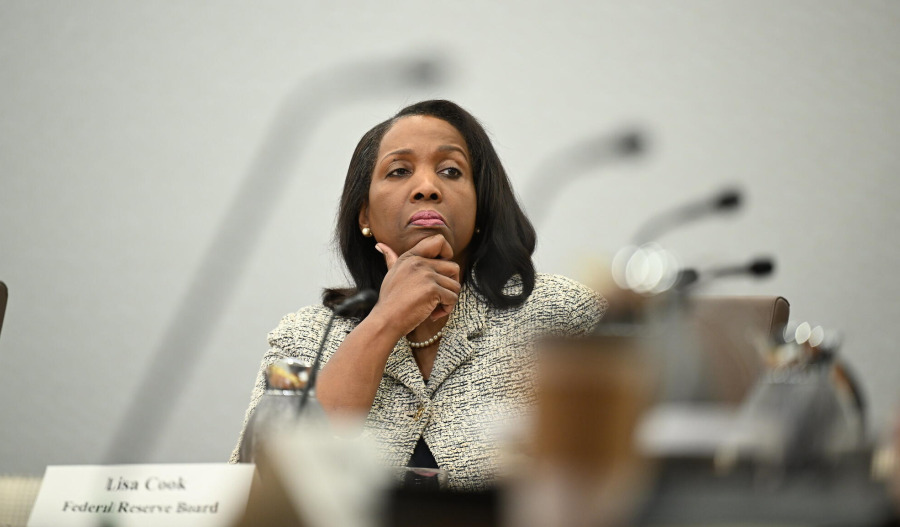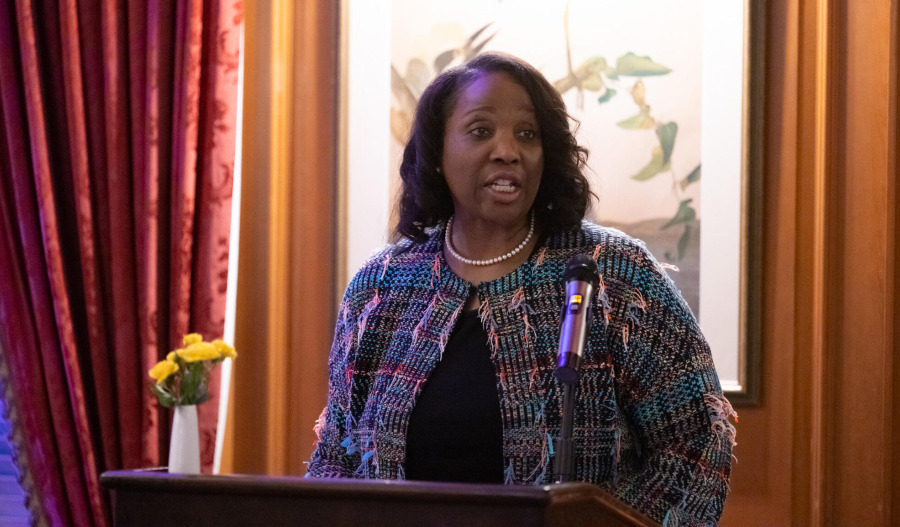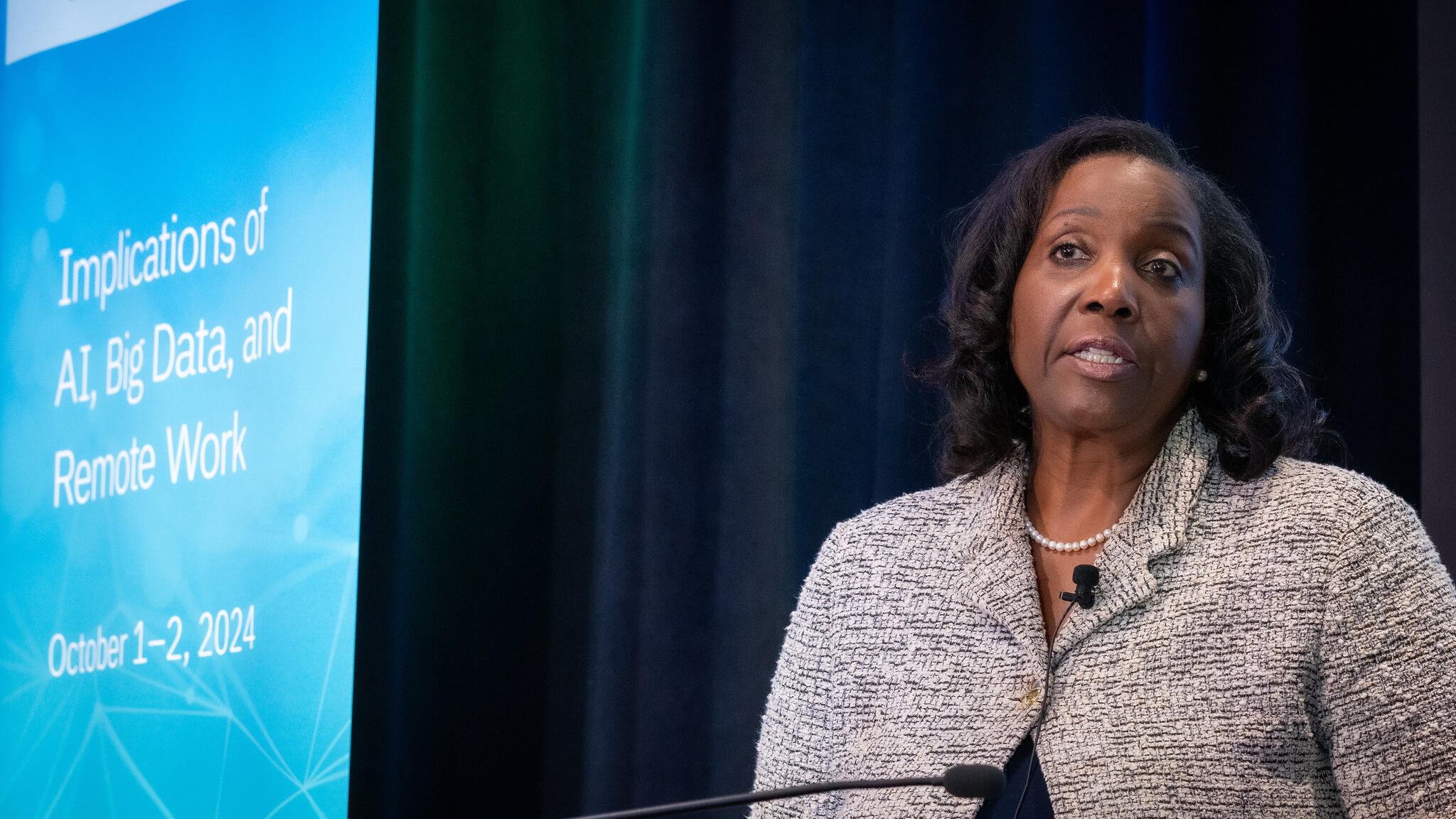
United States Supreme Court justices signalled scepticism on Wednesday over President Donald Trump’s unprecedented attempt to fire Federal Reserve Governor Lisa Cook, with concerns mounting over due process and the central bank’s long-cherished independence.
During nearly two hours of oral arguments, the justices indicated they were unlikely to grant the Trump administration’s request to lift a lower court order blocking Cook’s immediate removal while her legal challenge continues.
Since the Federal Reserve was created in 1913, no president has sought to remove a sitting Fed governor, a fact repeatedly underscored by both conservative and liberal members of the court.
Uncharted legal territory
Questions from the bench exposed the lack of legal precedent, including what constitutes adequate “cause” under federal law to remove a Fed official and what procedural safeguards are required to ensure fairness.
Several conservative justices joined their liberal colleagues in pressing the administration’s lawyer, signalling unease about the broader implications for the Fed if the president’s arguments were accepted.
Chief Justice John Roberts, along with Justices Brett Kavanaugh and Amy Coney Barrett, raised concerns about the absence of due process and whether the allegations against Cook justified her dismissal.
Even Justice Samuel Alito, a conservative often sympathetic to executive authority, expressed frustration with how the case had been handled.
At one point, Alito said Trump’s effort to remove Cook had been “handled in a very cursory manner” and questioned whether the factual record had been adequately developed.

Judicial scrutiny and Fed independence
The court also appeared unconvinced by the Justice Department’s most expansive argument that the president’s actions were effectively beyond judicial scrutiny.
That position mirrors arguments the administration has advanced in other controversial areas, including immigration enforcement and the use of emergency powers.
Justices repeatedly returned to the potential damage to the Fed’s independence if they endorsed the administration’s stance.
Some pressed U.S. Solicitor General D. John Sauer on why Cook was not given a formal opportunity to respond to unproven mortgage fraud allegations, which she has denied, and what the economic consequences might be of the first-ever removal of a Fed governor.
“Your position that there's no judicial review, no process required, no remedy available, very low bar for cause that the president alone determines – I mean, that would weaken, if not shatter, the independence of the Federal Reserve,” Justice Brett Kavanaugh told Sauer.
He added that the administration’s approach would incentivise presidents to rely on “trivial or inconsequential or old allegations that are very difficult to disprove”.
Lower court rulings favour Cook
In September, U.S. District Judge Jia Cobb ruled that Trump’s attempt to remove Cook without notice or a hearing likely violated her due process rights under the Fifth Amendment.
Cobb also found that the mortgage fraud allegations were likely insufficient cause under the law, noting the conduct allegedly occurred before Cook joined the Fed.
An appeals court later declined to put that ruling on hold, leaving Cook in her post.
When the Supreme Court agreed in October to hear the case, it allowed Cook to remain in her role while the legal process plays out.
Political pressure on the central bank
“This case is about whether the Federal Reserve will set key interest rates guided by evidence and independent judgment or will succumb to political pressure,” Cook said in a statement after attending the arguments.
Cook has said the allegations are a pretext to remove her over policy differences, as Trump has publicly pressured the Fed to cut interest rates and criticised Chair Jerome Powell for moving too slowly.
The administration this month also opened a criminal investigation into Powell over a Fed building project, which Powell has likewise described as politically motivated.
Sauer told the justices that the allegations against Cook - that she listed two different properties as her primary residence on mortgage applications - called into question her fitness to serve.
“The American people should not have their interest rates determined by someone who was, at best, grossly negligent in obtaining favourable interest rates for herself,” Sauer said.
Roberts pushed back, asking whether the administration’s argument would still apply if the alleged discrepancies were an “inadvertent mistake contradicted by other documents in the record”.
He also expressed doubts about claims that a president’s assertion of cause is not reviewable by courts or that judges lack the authority to reinstate an official.
Design of the Federal Reserve
Paul Clement, arguing for Cook, said Congress deliberately designed the Fed to be insulated from political interference.
“There's no rational reason to go through all the trouble of creating this unique quasi-private entity … just to give it a removal restriction that is as toothless as the president imagines,” he said.
Cook, whose term runs until 2038, was appointed in 2022 by former president Joe Biden and is the first Black woman to serve as a Fed governor.
A ruling is expected by the end of June, though it could come sooner. The court could issue a narrow decision that leaves Cook in place while allowing the dispute to return to lower courts, potentially setting the stage for another Supreme Court showdown.