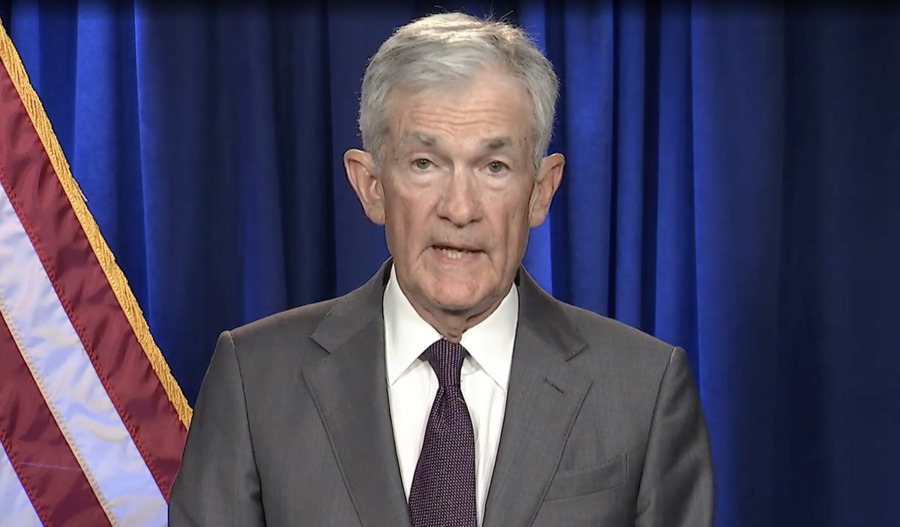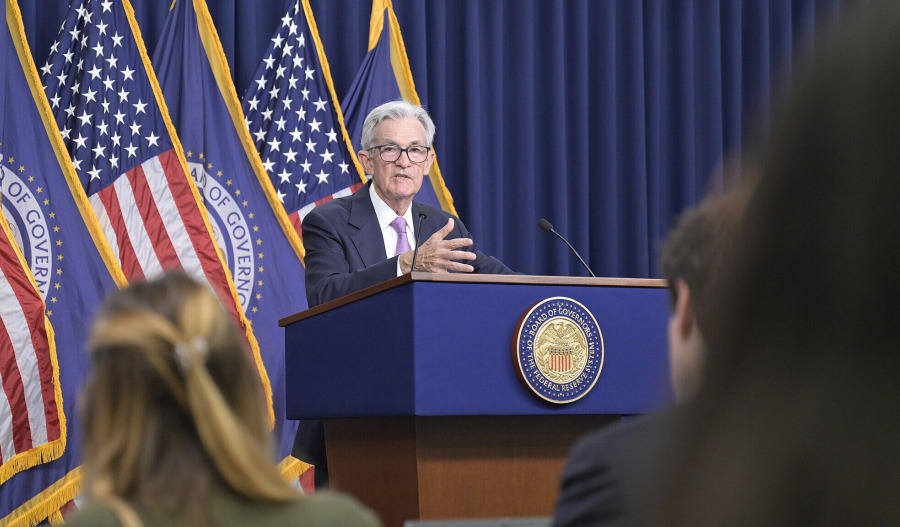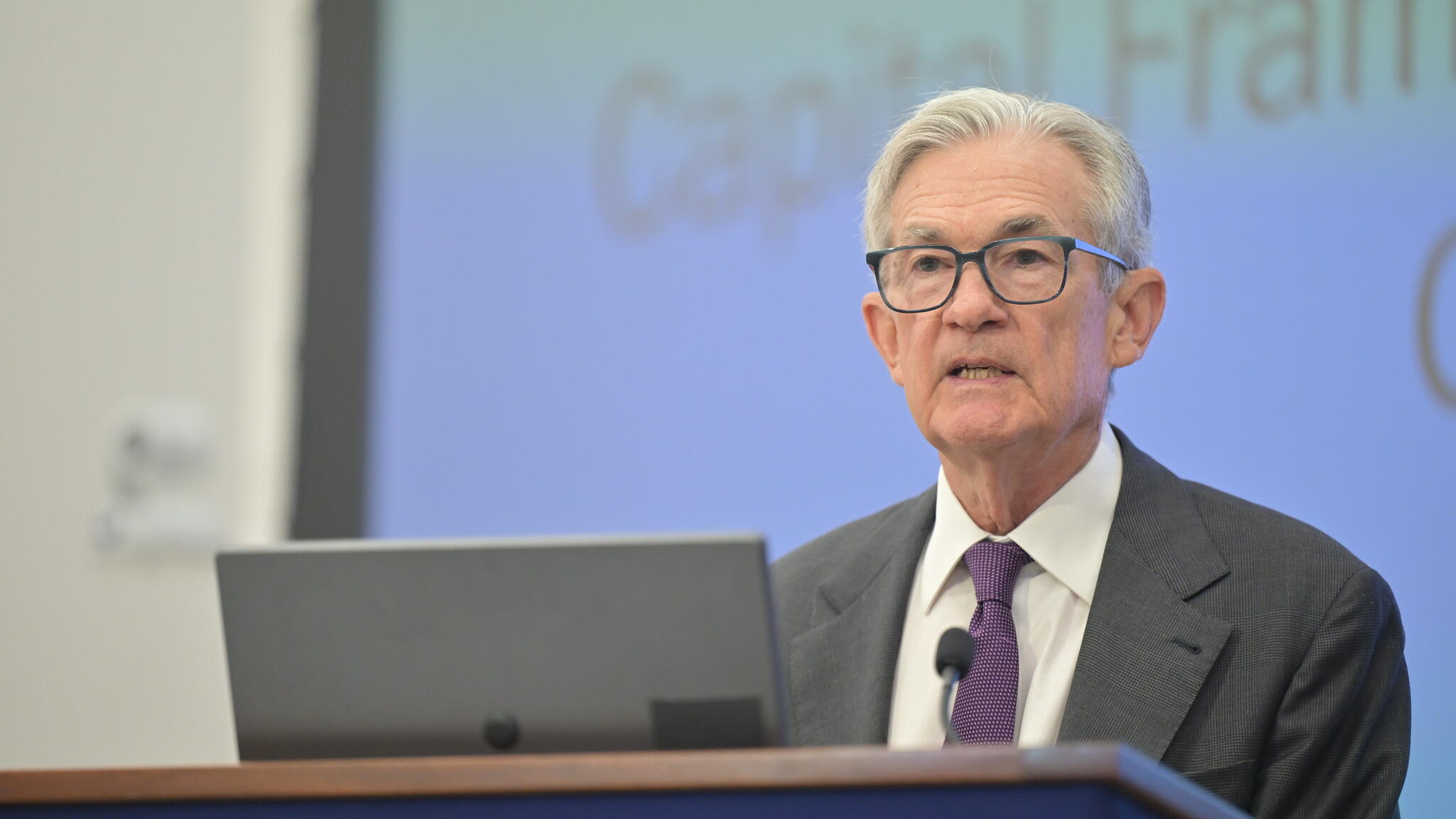
Federal Reserve Chairman Jerome Powell plans to attend oral arguments on Wednesday at the United States Supreme Court in a case challenging President Donald Trump’s attempt to fire Fed Governor Lisa Cook, a person familiar told the Associated Press on Monday.
Powell’s planned attendance is unusual for a sitting Fed chair.
However, the case is widely viewed within the central bank as carrying potentially existential implications, as it centres on whether a president has the authority to remove a Federal Reserve governor in the manner attempted by Trump.
The development comes as Powell himself is under criminal investigation by the U.S. Attorney’s Office in Washington, D.C., relating to a multi-billion-dollar renovation of the Federal Reserve’s headquarters and his testimony to Congress about that project.
In an extraordinary public statement on 11 January, Powell disclosed the investigation and suggested it was politically motivated, linking it to the Fed’s resistance to pressure from the White House to cut interest rates more aggressively.
“The threat of criminal charges is a consequence of the Federal Reserve setting interest rates based on our best assessment of what will serve the public, rather than following the preferences of the President,” Powell said.

Trump said in late August that he was firing Cook from the seven-member Fed Board, alleging that she committed mortgage fraud related to two homes she owns.
Cook has denied any wrongdoing and has not been charged with any crime.
Cook subsequently sued Trump in federal court in Washington, D.C., seeking to block her removal.
On 9 September, a district court judge barred Trump from firing her while the case proceeds, and a federal appeals court later upheld that order.
The Department of Justice has asked the Supreme Court to overturn the rulings, arguing that the lower court decisions represent “yet another case of improper judicial interference with the President’s removal authority — here, interference with the President’s authority to remove members of the Federal Reserve Board of Governors for cause.”
The Supreme Court’s consideration of the case is expected to have significant implications for the independence of the Federal Reserve and the balance of power between the White House and the central bank.