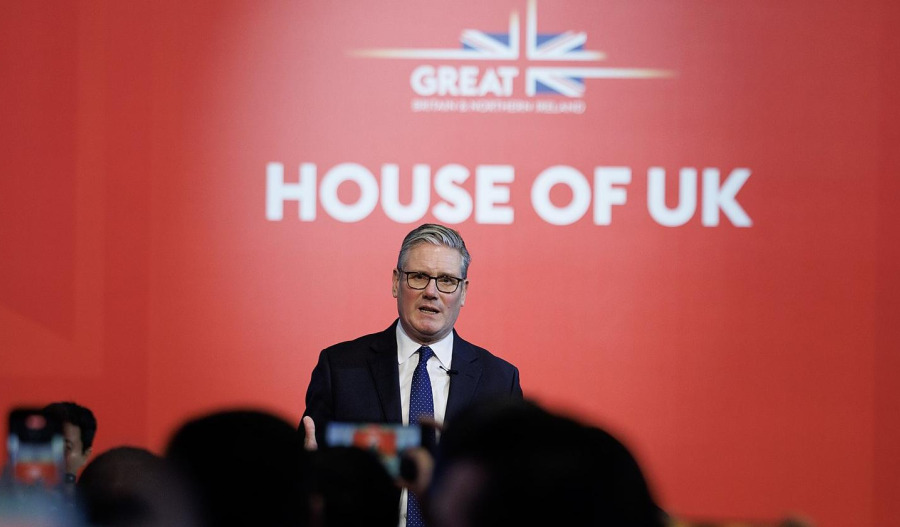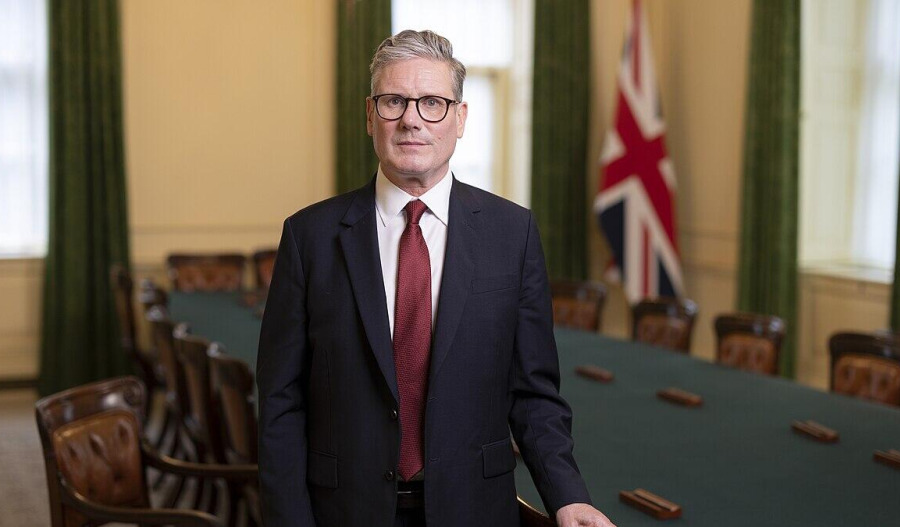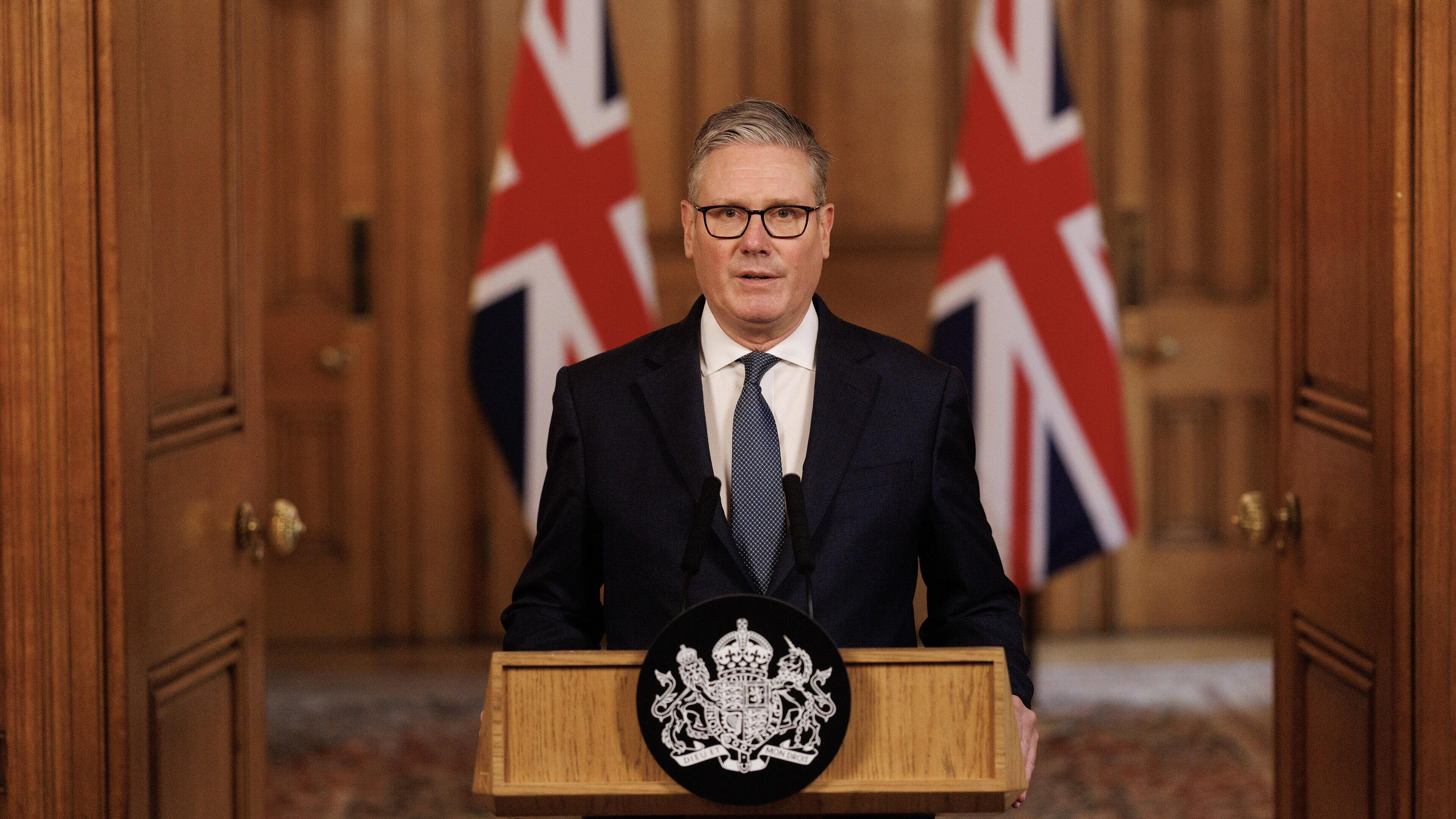
United Kingdom Prime Minister Keir Starmer announced on Monday that he will resign as leader of the Labour Party and step down as prime minister, bringing an end to months of political turmoil and setting the stage for a contest to choose his successor.
The decision follows increasing pressure on Starmer after Labour suffered significant losses in local elections in May and faced growing criticism from within its own parliamentary ranks over his leadership and policy direction.
The resignation comes less than two years after Starmer led Labour to a landslide victory in the 2024 general election, securing one of the party's largest parliamentary majorities in modern history.
Speaking outside 10 Downing Street shortly after 9:30 am in London, Starmer said he would remain in office until a leadership contest had been completed to ensure an orderly transition of power.
The announcement follows a decisive victory by former Greater Manchester mayor Andy Burnham in a special election on 18 June, a result that fuelled speculation about a challenge for Labour's leadership and ultimately the prime ministership.
In an emotional address, Starmer described entering Downing Street as the “proudest moment of my life”, citing efforts to restore Britain's international standing, attract investment and strengthen workers' rights during his time in office.
However, he acknowledged growing doubts among Labour colleagues about his ability to lead the party into the next general election.
“I have heard the answer from my parliamentary party. I accept that answer with good grace. I will resign as leader of the Labour Party.”
Starmer and Chancellor Rachel Reeves had faced mounting discontent over fiscal policy decisions, while welfare reforms and the appointment of Peter Mandelson as ambassador to the United States further strained relations within the party.

Starmer's departure comes almost a decade after the United Kingdom voted to leave the European Union in the 2016 Brexit referendum.
His successor will become Britain's seventh prime minister in that period.
The period has seen a succession of leaders. David Cameron resigned following the Brexit vote, before being succeeded by Theresa May, who stepped down after failing to secure parliamentary support for her Brexit strategy.
Boris Johnson later resigned amid a series of political controversies, paving the way for Liz Truss, whose tenure lasted just 50 days following market turmoil triggered by her government's mini-budget.
Rishi Sunak subsequently took office before being defeated by Starmer in the 2024 general election, which returned Labour to power after 14 years in opposition.
Despite commanding a 174-seat majority, Starmer's government struggled with declining poll numbers, internal divisions and growing voter frustration over the pace of economic improvement and cost-of-living pressures.
Meanwhile, Burnham received an endorsement on Monday from former Health Secretary Wes Streeting, who had previously been viewed as a potential contender for the leadership.
In a post on X, Burnham paid tribute to Starmer and confirmed he intended to seek the leadership.
“His decision marks the beginning of a transition and it is important that this process is conducted in an orderly and responsible way. I will put myself forward as part of this process,” Burnham wrote.
Starmer said he would continue serving as Prime Minister until Labour formally selects a new leader, a process that could conclude within weeks if Burnham faces no significant opposition.