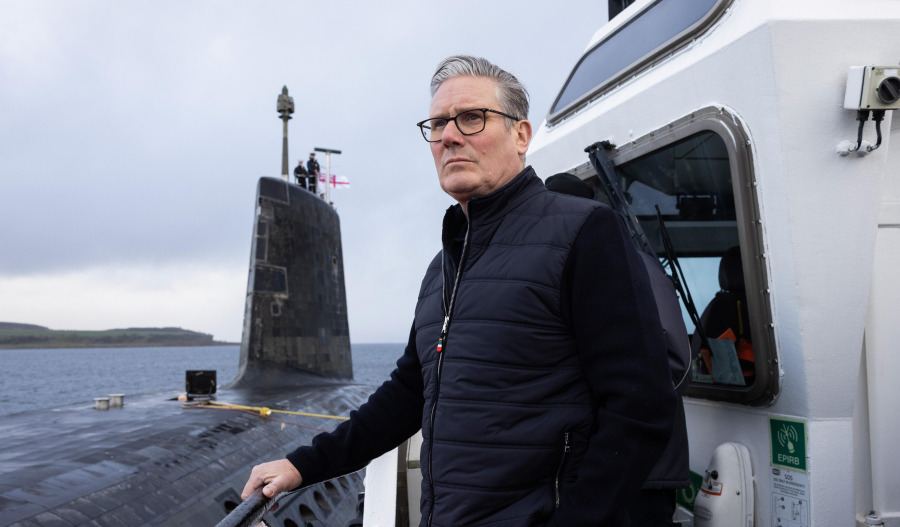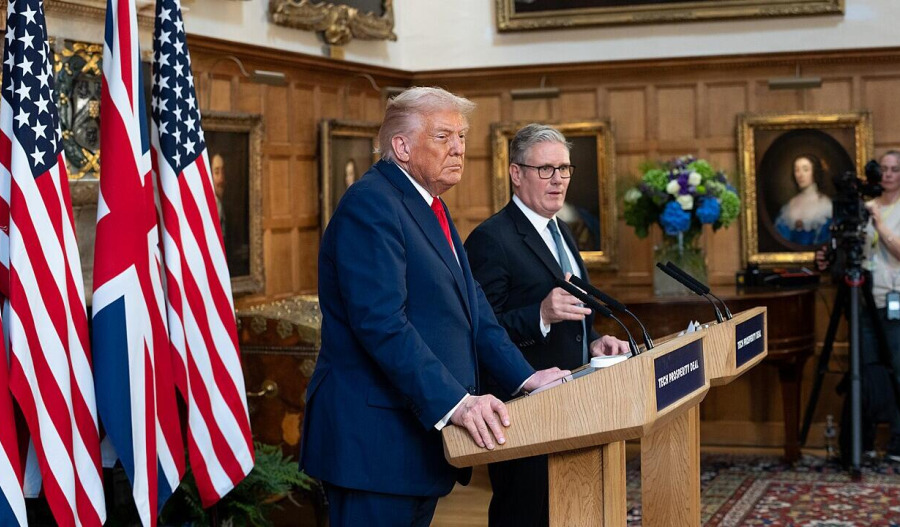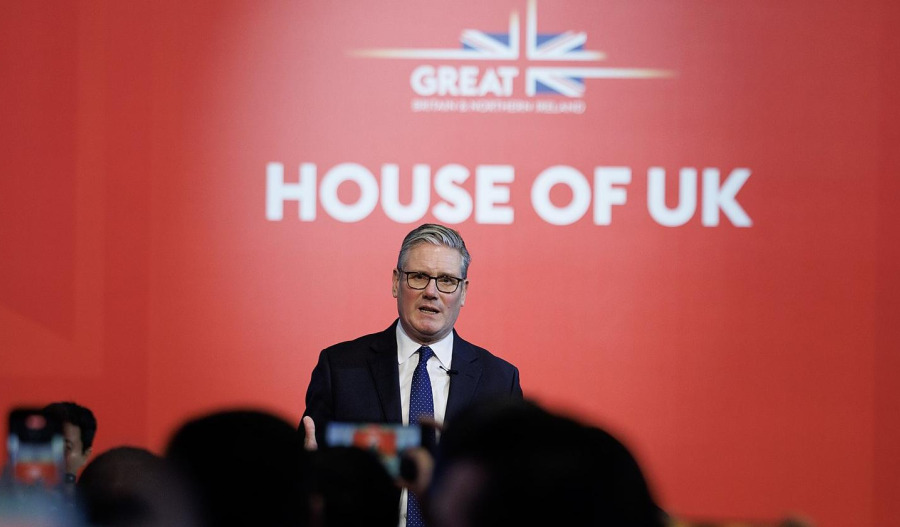
British Prime Minister Keir Starmer is expected to announce on Monday that he will step down, following intensifying pressure from Labour MPs who want Andy Burnham to succeed him as party leader.
The anticipated move comes after weeks of speculation over Starmer's future and follows Burnham's successful return to Westminster in the Makerfield by-election, which has strengthened calls within Labour for a change in leadership.
Speaking on behalf of the government on Sunday, Business Secretary Peter Kyle declined to comment directly on Starmer's intentions but acknowledged the political pressures confronting the prime minister.
“I don’t want to come on here and be delusional that there is no process, there are no forces at work which are challenging the prime minister as leader – that is clearly the case,” Kyle told the BBC's Sunday with Laura Kuenssberg programme.
Until recently, Starmer and his allies had maintained that they would resist any leadership challenge, whether from Burnham or another contender.
Downing Street reiterated that position on Sunday, pointing to comments made by Starmer on Friday following Burnham's by-election victory, when he insisted he would contest any challenge to his leadership.
However, expectations within government have increasingly shifted towards the belief that Starmer will announce a timetable for his departure.
According to reports, one government source told The Guardian: “I would expect him to do the right thing for the country, with some sort of timetable for departure, most likely around the autumn.”
Despite growing speculation, no cabinet ministers have publicly called for Starmer to resign. Reports suggesting that Foreign Secretary Yvette Cooper had privately urged the prime minister to step aside were met with no comment from her allies.
Kyle indicated that Starmer was carefully considering both his future and the broader implications for the country.

He revealed that he had held lengthy discussions with the prime minister on Friday.
“He was very mindful of the interests of the country, and in that conversation he repeatedly said to me and asked my advice on what I believe the country wanted at this moment in different circumstances,” Kyle said.
When asked what advice he had offered, Kyle declined to elaborate but stressed the importance of maintaining stability during a potentially turbulent period for the governing party.
“We are a tight group of people, and we are now facing a period of political uncertainty, and we need to find a way to get through this that puts the country first. This is what we are trying to do,” he said.
Kyle is regarded as a close ally of former Health Secretary Wes Streeting, who resigned from the cabinet last month and has since declared his intention to seek the party leadership and ultimately become prime minister.
The prospect of a leadership contest remains uncertain. While some Labour figures believe a competitive race would provide an opportunity to scrutinise Burnham's policy agenda and leadership credentials, others fear a prolonged contest could create the impression of a government distracted by internal divisions.
Asked whether he would favour a full leadership election rather than a swift transition to Burnham, Kyle suggested both considerations needed to be weighed carefully.
He said leadership contests were “better wherever possible, that needs to be balanced with the needs of maintaining authority of a party”.
Streeting has publicly stated that he has enough support among Labour MPs to mount a credible leadership campaign. However, supporters of both Starmer and Burnham have expressed scepticism about the strength of his backing.
Political observers note that Streeting's prospects could diminish if undecided Labour MPs conclude that Burnham is the clear frontrunner and shift their support behind the Manchester mayor in an effort to avoid a divisive contest.