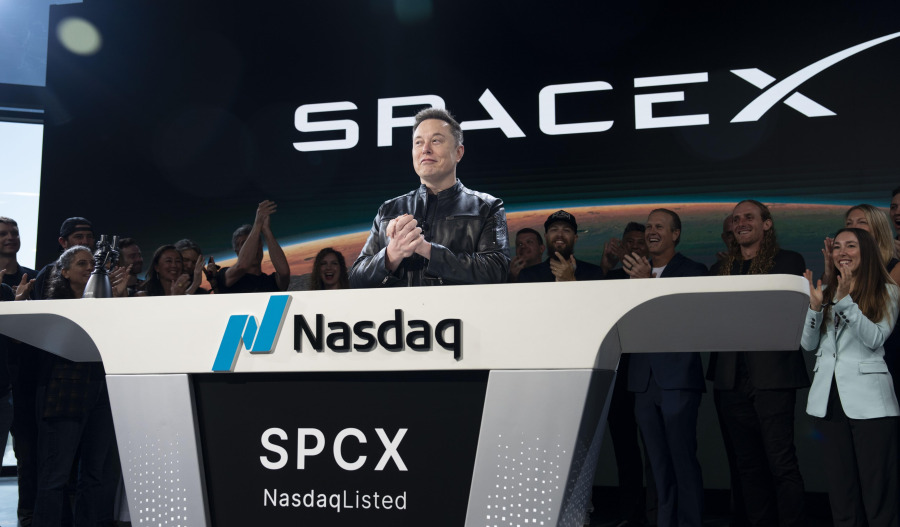
SpaceX reported a sharp increase in quarterly revenue and significantly narrower operating losses in its first earnings report since listing on the stock market, driven by strong growth across its Starlink satellite internet and artificial intelligence businesses.
The company posted a loss of 9 cents per share, compared with expectations for a 23-cent loss, while revenue rose to US$7.81 billion, comfortably ahead of forecasts for $6.83 billion.
Despite the stronger-than-expected results, SpaceX shares fell 7.4% in after-hours trading after gaining 9.4% during the regular session ahead of the earnings release.
Capital expenditure surged to more than $18 billion from $2.83 billion a year earlier. Chief financial officer Bret Johnsen said investment spending was expected to remain at similar levels over the next few quarters.
Starlink, which generated more than half of the company's total revenue, recorded a 66% increase in sales, while revenue from SpaceX's AI division jumped around 250%.
"We're building AI compute capacity at scale faster than anyone else, we believe, and we're significantly improving our AI models," Elon Musk said during the post-earnings conference call.
Operating losses across the AI division narrowed substantially, contributing to a reduction in total operating losses to $143 million from $970 million a year earlier. Starlink's operating income climbed 79%.
Since its record-breaking initial public offering in June, which valued the company at approximately $1.75 trillion, SpaceX shares have fallen about 8%.
Starlink and the company's broader connectivity operations continue to underpin SpaceX's finances, supporting Musk's ambition to build an AI-focused business spanning advanced AI models, enterprise software, consumer applications and, ultimately, space-based data centres.

However, critics argue that relying on Starlink's profitability to fund the AI division and ongoing Starship development is unlikely to be sustainable over the long term.
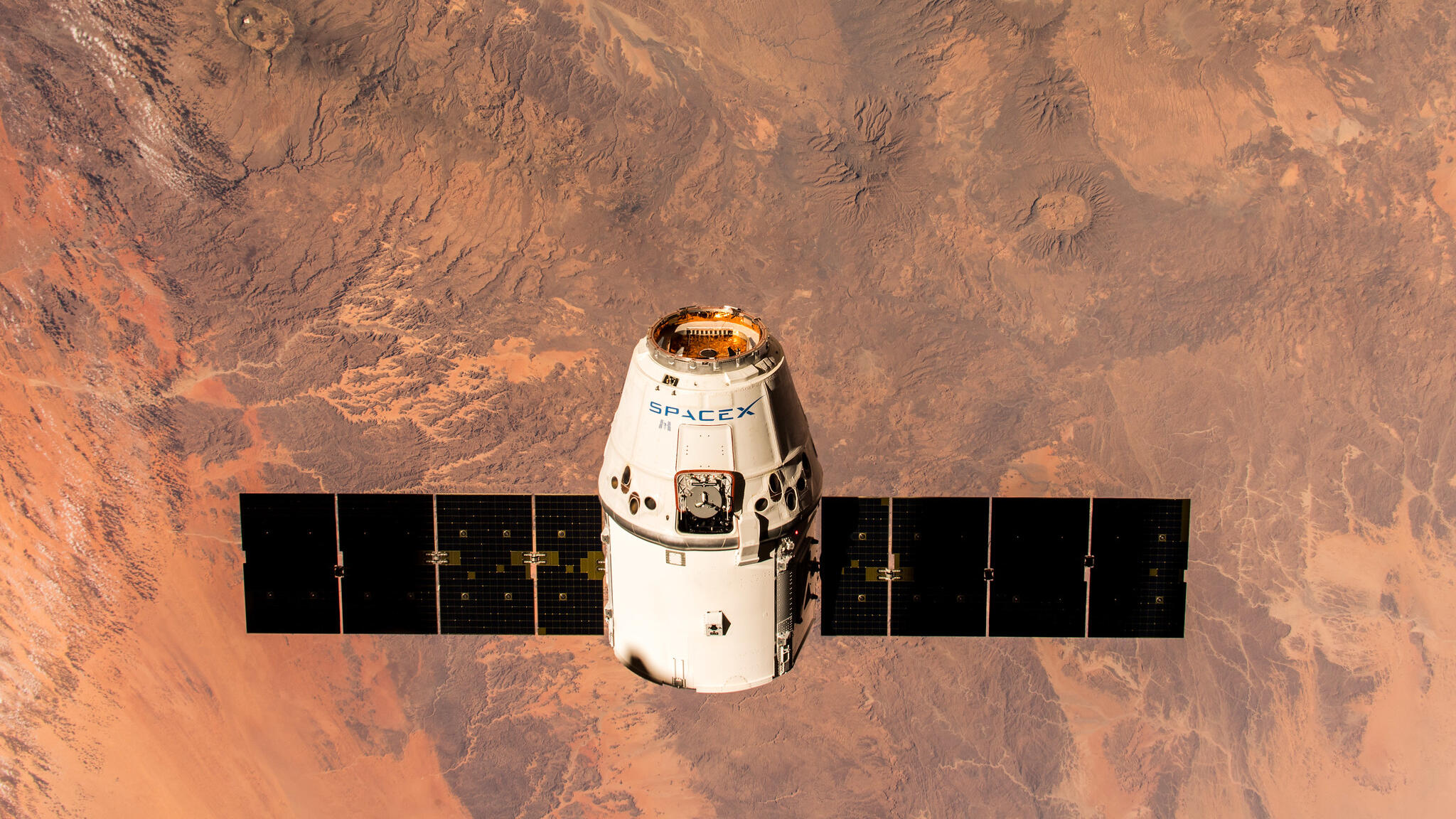
Starlink continued expanding its global subscriber base through additional satellite launches and growth across consumer, enterprise, aviation, maritime and government services. However, average revenue per subscriber fell 22% from a year earlier as the company expanded into more international markets with lower-priced plans, even as subscribers doubled to 12 million.
SpaceX's AI business, which includes xAI, Grok, social media platform X and a rapidly expanding data centre network, remains its largest investment area.
The division is generating revenue through compute agreements with Anthropic, Alphabet's Google and Reflection AI, although some recurring revenue has yet to be recognised.
Capital spending on AI reached $15.83 billion during the quarter ended 30 June, up sharply from $749 million a year earlier.
Meanwhile, revenue from the space segment, which includes commercial launches, government missions and Starship development, increased 29% year on year.
Starship has yet to enter commercial service but is expected to play a central role in deploying next-generation Starlink satellites and supporting orbital AI computing infrastructure. Investors continue to monitor testing progress, launch frequency, reusability milestones and the vehicle's deployment capabilities as key indicators of the program's long-term success.
Separately, SpaceX announced a partnership with Nvidia to use the chipmaker's processors in its Starmind AI1 orbital computing satellites.
The company's space operations remain a major source of investment and uncertainty. Although Falcon launch activity has remained strong, revenue continues to fluctuate depending on the mix of Starlink deployments, commercial launches and government contracts.
SpaceX currently has a market capitalisation of approximately US$1.66 trillion.