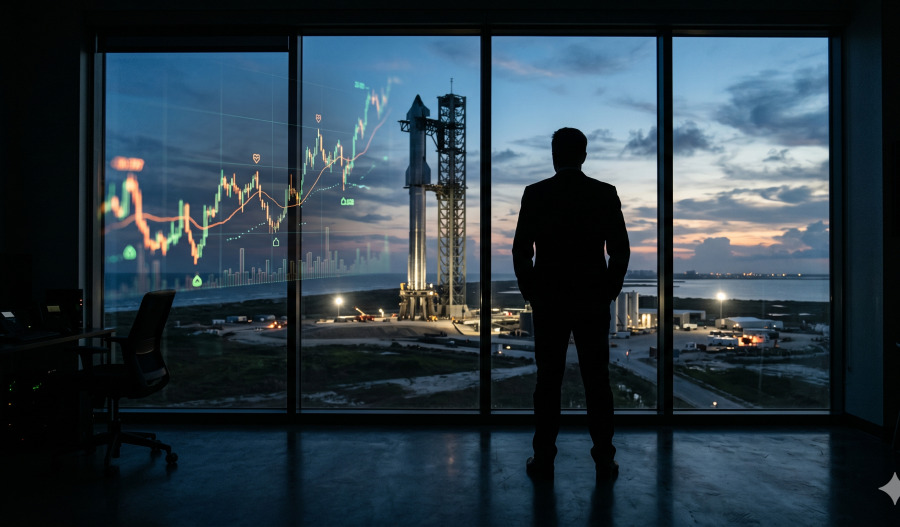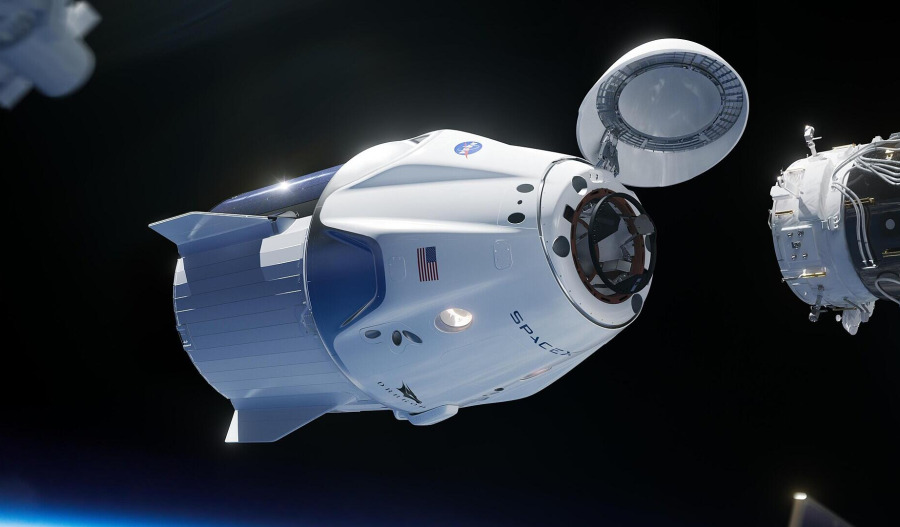
Wall Street is calling the largest share sale in history the moment the IPO floodgates reopen, yet the index that moves the most passive money in the world has other ideas.
After the closing bell on Thursday, a syndicate of more than twenty banks will set a price on the largest equity offering ever attempted.
SpaceX is selling 555.6 million shares at US$135 each to raise $75 billion, valuing the business near $1.79 trillion before it has traded a single share.
The sum is roughly three times the previous record, and it would hand Elon Musk control of a second trillion-dollar listed company.
The sell-side has settled on a clean story to explain the moment.
"This has turned into a race to reach public markets," Wedbush Securities' Dan Ives said, casting the listing as the reopening of a market that has been largely shut for four years.
With Anthropic already filed and OpenAI expected to follow, the thesis carries a certain momentum.
There is a complication, and it surfaced four days before the roadshow reached its midpoint.
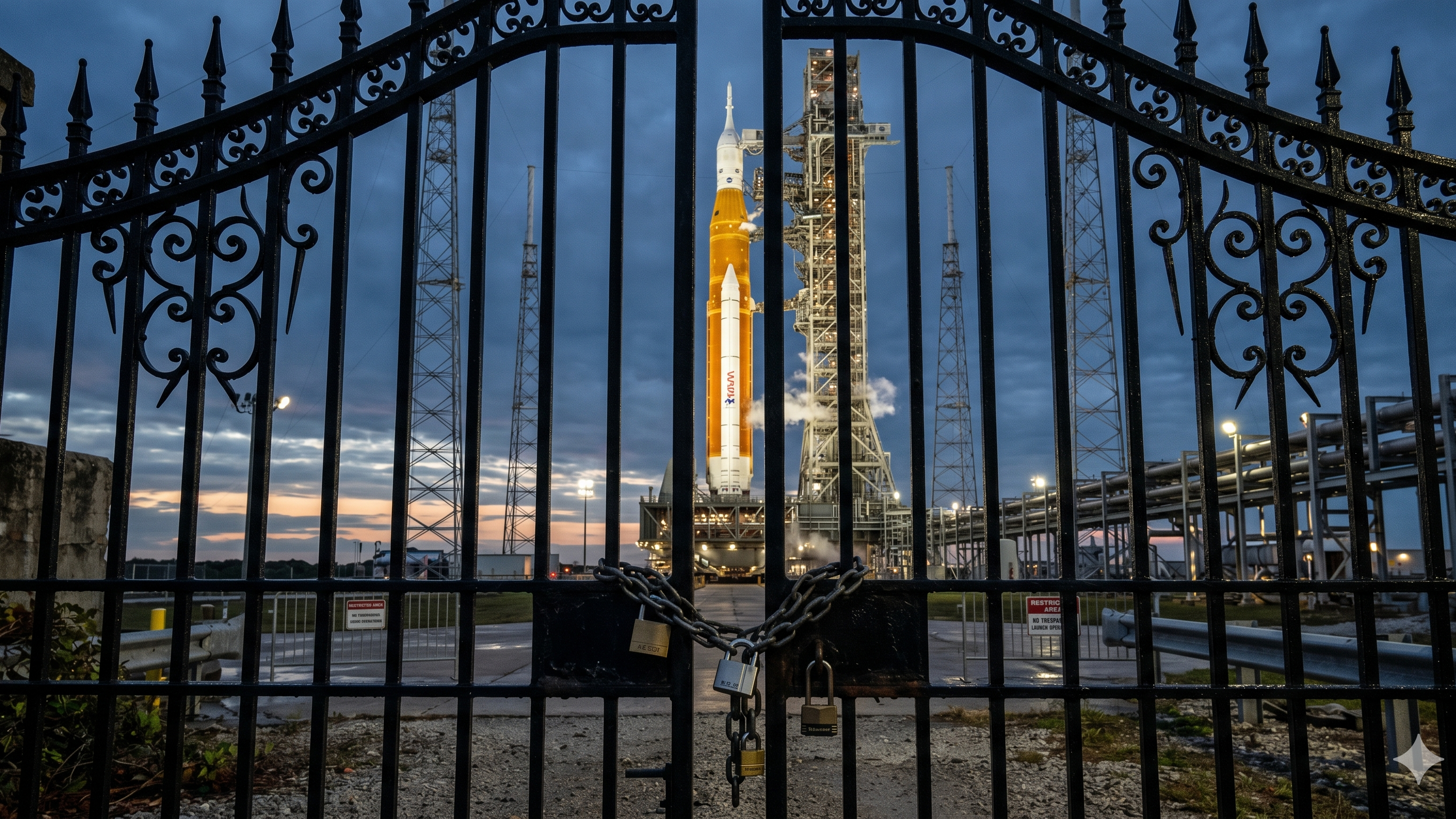
The institution that decides where trillions of passive dollars actually move looked at SpaceX and declined to open its gate.
Opening of the floodgates
Appetite has genuinely returned after a long drought in which U.S. exchanges fell from more than a thousand listings in 2021 to just 181 the following year, and Ives is not inventing the recovery.
Anthropic has filed ahead of OpenAI, and both are expected to list before year-end, the most concentrated run of mega-offerings since the dot-com era.
SpaceX gives the optimists their headline numbers, with revenue rising 33% in 2025 to $18.67 billion and the Starlink network contributing $11.4 billion of it, reaching 10.3 million subscribers across 155 countries.
The harder part of the story is the $4.94 billion net loss sitting beneath that growth, because a company burning cash at that rate cannot, under the rules as written, walk straight into the index most investors already own.

The gate that held
On 4 June, S&P Dow Jones Indices closed a consultation on whether to fast-track megacap newcomers and resolved to change nothing.
Entry to the S&P 500 still demands four consecutive quarters of profit under U.S. accounting standards, a twelve-month listing record and a minimum free float, and SpaceX satisfies none of the first two.
"Exceptions ... should not be granted solely based on market capitalisation," S&P Dow Jones Indices said, a pointed refusal to bend the rulebook for the largest float in history.
The decision keeps SpaceX out of the benchmark until at least mid-2027, and then only if it earns a profit it has yet to post.
Index funds tracking the S&P 500 would have been forced buyers, but an estimated $14 billion of passive demand has instead been deferred, a concrete measure of what the ruling actually costs.
Nasdaq and FTSE Russell went the other way, trimming their waiting periods to as few as fifteen and five trading days, so SpaceX should enter the Nasdaq-100 within weeks of listing.
The money benchmarked to that index, though, is a fraction of the pool tracking the S&P 500, and the profitability rule now blocking Musk is the same one that kept Tesla out until late 2020.
Selective reopening
Set the single $75 billion deal aside and the broader market looks less like a flood than a turnstile, admitting entrants one careful step at a time.
U.S. IPO volumes rose 36% on the quarter and 78% on the year in early 2026, yet the total value raised barely shifted, which means more companies are listing without the deals growing any larger.
Aftermarket performance has been uneven, with investors rewarding disciplined pricing and marking down anything that arrives expensive, a dynamic that puts the onus squarely on SpaceX to trade well from the open.
Bank of America has framed the wave less charitably, characterising it as a transfer of accumulated risk from early private backers to public shareholders who arrive last and at the highest price.
Yardeni Research judges the liquidity-drain fear overblown, noting that the three AI giants together seek roughly $200 billion against an equity market worth tens of trillions.
The binding constraint, on Yardeni's reading, is a shortage of stock rather than a shortage of demand, with SpaceX floating barely 4% of itself.
Echoes of the past
The precedent Ives leans on rewards closer reading than the bulls tend to give it.
He points to 2019, when Uber and Lyft reopened the listing window, observing that Lyft went first and fared better - the logic now pushing Anthropic to beat OpenAI to market.
Lyft fell more than 20% from its offer price, and Uber dropped almost 8% on debut, having priced below its range and well short of the valuation it once chased, and both spent years recovering before the thesis eventually came good.
The companies that reopen a market, on the record, are rarely the ones that reward the investors who buy the reopening.
What to watch:
The next fortnight will show whether this is a genuine thaw or one extraordinary deal flattering a market that remains, beneath the surface, distinctly choosy.
- Wednesday's final pricing, and whether the book holds at $135 or the range is forced wider
- The first-day close on 12 June, the only unfiltered read on demand
- Nasdaq-100 inclusion, expected within weeks, and the mechanical buying it drags behind it
- The Anthropic and OpenAI filings, which test whether the door stays open once SpaceX is through
- Any sign that S&P reopens its rulebook, the single path to releasing the deferred $14 billion