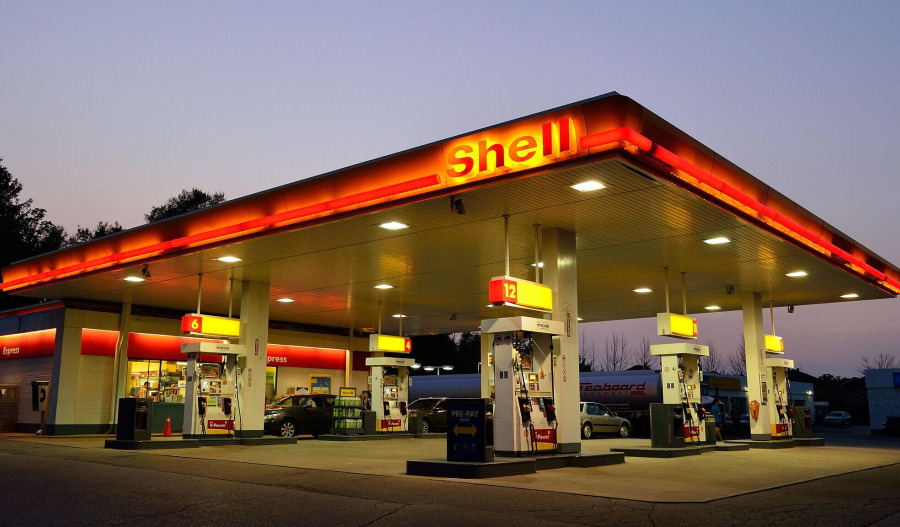

Shares in Shell (LON: SHEL) fell 1.7% yesterday after the London-listed energy group agreed to acquire Canadian producer ARC Resources (TSX: ARX) in a US$16.4 billion (A$22.8 billion) transaction, marking its largest takeover in nearly a decade and underscoring a renewed push by major oil companies to expand long-term hydrocarbon output.
It’s understood that the deal would add around 370,000 barrels of oil equivalent per day to its production base and increase its reserves by roughly 2 billion barrels, strengthening its position in North America’s liquefied natural gas (LNG) supply chain.
The acquisition, expected to close subject to regulatory and shareholder approvals, comes as Shell seeks to counter declining output from ageing fields and lift production growth targets for the decade.
Shell will pay ARC shareholders C$8.20 in cash and 0.40247 Shell shares per share, implying an equity value of about $13.6 billion, with a further $2.8 billion in assumed debt and leases.
The offer represents a premium of around 20% to ARC’s recent average share price - which yesterday surged more than 20% in Toronto trading.
The company said the transaction would be funded through a mix of cash and shares and would not alter its planned annual investment budget of $20 billion to $22 billion through 2028.
Chief executive Wael Sawan said the acquisition would “strengthen our resource base for decades to come”, describing ARC as a low-cost producer with relatively low carbon intensity.
ARC’s assets are concentrated in the Montney shale basin across British Columbia and Alberta, an area that feeds into the LNG Canada export facility in which Shell holds a 40% stake.
The location is seen as strategically important because of its proximity to Asian LNG markets.

ARC produces a mix of natural gas and liquids, with gas accounting for roughly 60% of output.
The company averaged more than 400,000 barrels of oil equivalent per day in late 2025 and employs more than 700 staff.
Its CEO, Terry Anderson, said the transaction would position the combined business to deliver “secure energy” while expanding Canada’s role in global supply.
The deal is expected to generate about $1.5 billion in annual free cash flow and deliver cost savings of approximately $250 million within a year of completion, according to Shell.
It also allows the company to increase its compound annual production growth target from 1% to 4% through the decade, while maintaining liquids output of around 1.4 million barrels per day.
The acquisition reflects a broader shift among energy supermajors back towards oil and gas investment after a period of emphasis on low-carbon diversification.
Analysts have previously indicated Shell needed either a major discovery or acquisition to offset declining reserves, which fell to their lowest level in at least a decade in 2025.
The transaction is smaller than recent consolidation moves in the sector, including Chevron’s US$55 billion purchase of Hess, completed in 2025, but signals continued appetite for large-scale deals as companies compete to secure long-term supply.
Meanwhile, Shell remains committed to returning 40 to 50% of operating cash flow to shareholders, adding that its balance sheet could accommodate the acquisition despite expectations that gearing will rise amid energy price volatility.