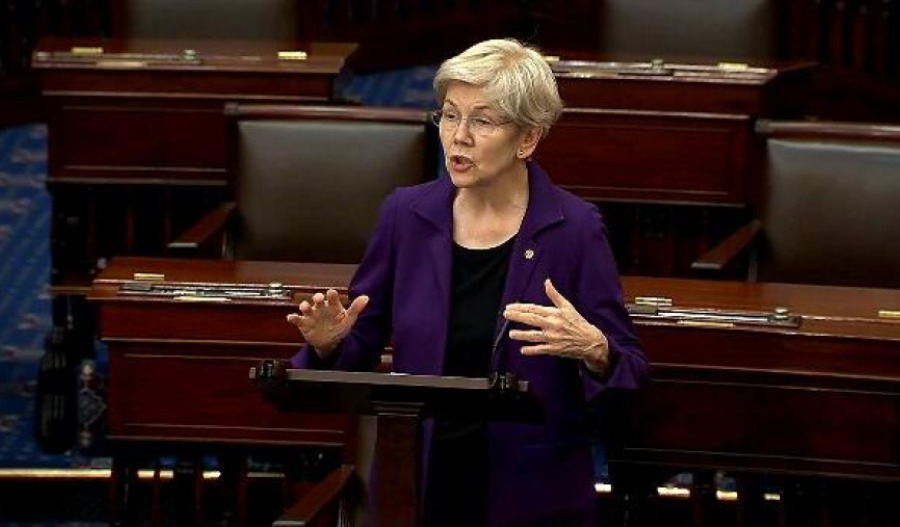

The Senate passed the largest housing affordability bill in three decades, which would boost the supply of housing and ban investors from buying single-family homes.
The bill cleared with an 89-10 vote.
However, it still faces an uphill battle in the House, which passed its own bipartisan bill in February.
House GOP leaders have already said the measure will need to be negotiated, suggesting they will not take up the Senate-passed bill.
One of the most contentious issues in the bill is a ban on investors and companies from buying single-family homes if they already own 350 or more.
Companies that add to the housing supply through building or serious renovations would be able to own more homes, but would need to sell those homes after no more than seven years.
This provision wasn’t originally in the Senate bill or the bill the House passed; however, President Donald Trump championed the ban and indicated he wouldn’t sign a bill without it.

While industry groups, like the National Association of Home Builders, Mortgage Bankers Association and National Conference support the bill, they said the seven-year limit would eliminate production of build-to-rent housing and “would take hundreds of thousands of housing units off the market over the next decade, many of which would serve lower- and middle-income households.”
Democratic senator Elizabeth Warren supported the investor ban and said it would protect consumers.
“They can also build as many apartment houses, as many condo complexes, as many triplexes as they want,” Warren said in an interview with CNBC.
“But there’s a point of principle here, and that is that private equity cannot come in and buy up all of the housing supply in America. Homes should be for families, not for giant corporations.”
However, other senators disagreed with this stance.
Democratic senator Brian Schatz, who voted against the bill, called the 305 home cap “bananas” and said it would ultimately result in a ban on rental housing.
“I don’t think people are clocking how bad this is going to be on the supply side,” he said, adding that it will “screw up” the single-family and duplex rental market.
Housing affordability has become a major issue for voters ahead of the midterm elections.