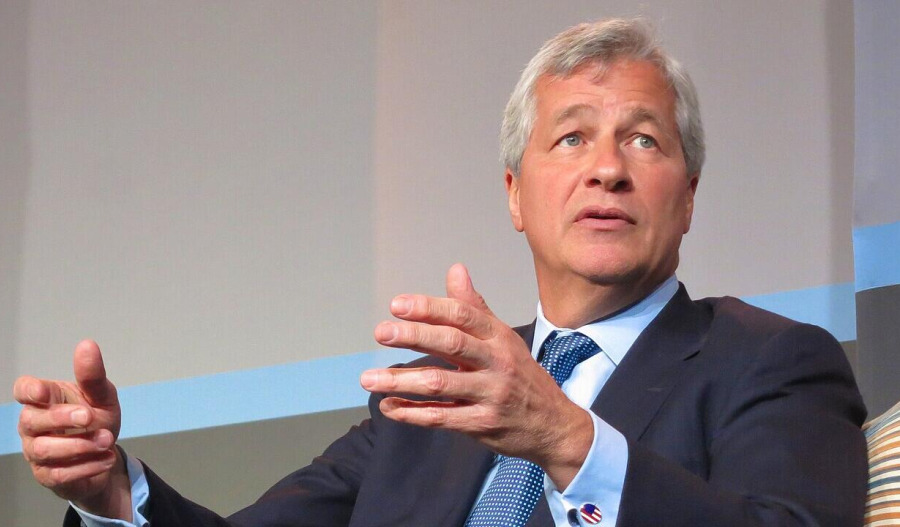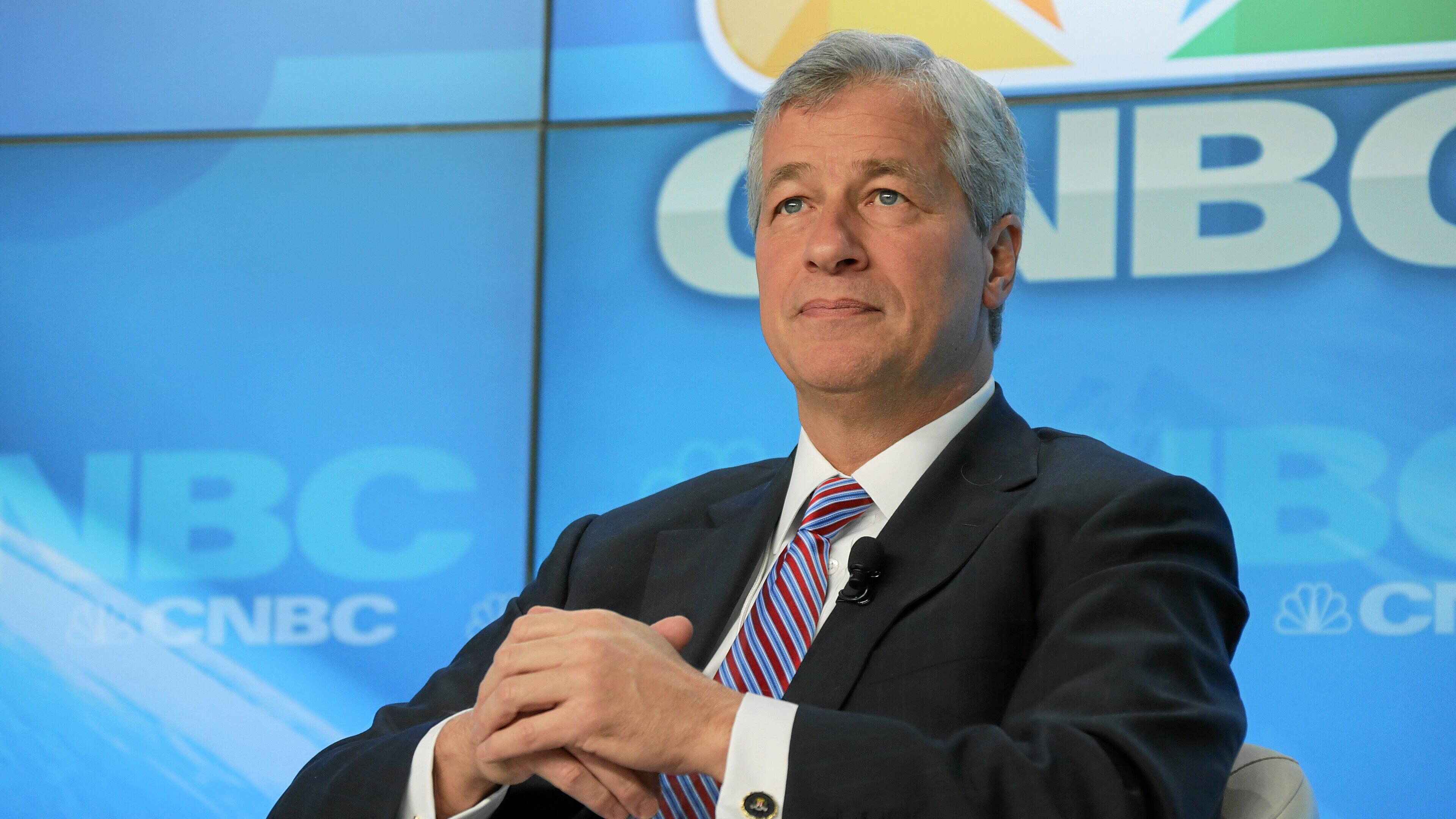
JPMorgan Chase CEO Jamie Dimon has warned that rising global government debt levels are increasing the likelihood of a bond market crisis, urging policymakers to act pre-emptively rather than wait for market stress to force intervention.
Speaking at an investment conference hosted by Norges Bank Investment Management, Dimon said current fiscal trajectories across major economies were unsustainable and risked triggering disorderly moves in sovereign debt markets.
“The way it’s going now, there will be some kind of bond crisis, and then we’ll have to deal with it,” he said.
“Maturity should say you should deal with it, as opposed to let it happen.”
The warning reflects growing concern among financial leaders that record debt issuance and elevated interest rates are testing investor demand for government bonds.
In the United States, federal debt is approaching US$39 trillion, with the U.S. Department of the Treasury continuing to expand issuance to fund deficits and refinance maturing obligations.
Similar pressures are evident across advanced economies as borrowing costs remain higher than during the low-rate era that followed the global financial crisis.
A bond market crisis typically involves a sharp rise in yields, declining liquidity and a loss of investor confidence in sovereign balance sheets.
Under such conditions, central banks are often forced to intervene as buyers of last resort to stabilise markets.
A recent precedent occurred during the 2022 United Kingdom gilt crisis, when a surge in yields following an unfunded fiscal package prompted emergency purchases by the Bank of England.
Dimon believes the current risk environment is defined by a convergence of factors, including geopolitical instability, elevated oil prices and widening fiscal deficits.

“We don’t know what confluence of events causes the problem,” he said, noting that while some pressures may ease, others could persist and compound.
His comments also highlighted concerns about the broader credit cycle.
While the private credit market - estimated at roughly US$1.7 trillion - does not yet pose a systemic risk on its own, Dimon warned that losses across leveraged lending could exceed expectations in a downturn.
“We haven’t had a credit recession in so long, so when we have one, it would be worse than people think,” he said.
Data from the International Monetary Fund (IMF) shows global public debt exceeded 93% of GDP in 2023 and is projected to continue rising absent fiscal consolidation.
Higher interest rates have already lifted debt servicing costs, tightening fiscal space and increasing vulnerability to shifts in investor sentiment.
Markets have so far remained resilient, with demand for sovereign bonds holding despite increased issuance.
However, Dimon cautioned that current pricing may underestimate downside risks, particularly if inflation proves persistent or geopolitical tensions disrupt energy markets.
While he expressed confidence that authorities could ultimately manage a crisis if it materialises, Dimon argued that delaying policy adjustments raises the risk of abrupt market dislocation.
“I’m not that worried we’ll be able to deal with it,” he said.
“I just think you should deal with it before.”