
Following successive equity injections by both parties over the past year, Rio Tinto (ASX: RIO) has officially taken majority control of Canada’s Nemaska Lithium, lifting its stake to 53.9% with plans to build a mine-to-chemicals lithium chain in Quebec.
While the Quebec government – which retains 46.1% through its investment arm, Investissement Québec - has committed up to a further US$200 million via share subscriptions, Rio plans to spend more than US$300 million in 2026 expanding its lithium footprint in the province.
Underpinning the strategy is vertical integration with plans to control each step of production from rock to battery material.
That means mining spodumene, a lithium-bearing hard rock, and refining it into lithium hydroxide, a high-purity chemical used in electric vehicle batteries.
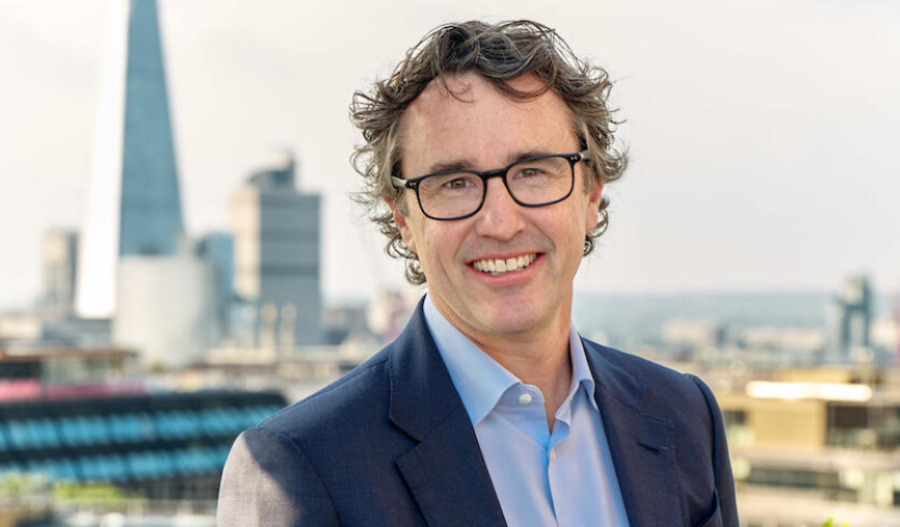
Rio Tinto Aluminium & Lithium CEO Jérôme Pécresse told the market that the miner’s activities in Québec play an important role in its ambition to take our world-class lithium business to the next level of growth and performance, notably through Nemaska Lithium.
“This evolution will facilitate the achievement of this objective and enable us to better support the long-term development of Nemaska Lithium, which will expand our integrated lithium product offering,” he said.
“Rio Tinto remains committed to Québec and Canada because we believe in the country’s potential to become a leader in the industries of the future, and we are determined to continue developing our assets here to supply the materials the world needs.”
Automakers require consistent, battery-grade material produced at scale and close to assembly plants to reduce supply risk.
Nemaska’s assets include the Whabouchi spodumene deposit in Quebec’s James Bay region and a lithium hydroxide processing plant under construction in Bécancour.
At the end of 2025, the plant was around 60% complete and is designed to produce 32,000 tonnes a year once operational.
Commissioning is scheduled to begin in 2026, with first production targeted for 2028.
Rio inherited an initial 50% interest in Nemaska through its US$6.7 billion acquisition of Arcadium Lithium in March 2025.
That transaction marked a decisive shift by the big Aussie miner into battery materials, adding operations in Argentina and Australia and giving it a foothold in North America’s emerging EV supply chain.
The company is now reviewing the optimal feedstock strategy for the Bécancour plant.
That includes assessing whether supply should come from Whabouchi or from its separate Galaxy lithium project in the same region.
An evaluation is expected to conclude by mid-2026.
As a critical mineral in the energy transition, lithium allows batteries to store more energy per unit of weight, making it central to electric vehicles and grid-scale storage systems.
Governments in Canada and the U.S. have been pushing to localise supply chains to reduce reliance on overseas processing.
Quebec has positioned itself as Canada’s lithium hub, hosting nearly half the country’s active lithium projects and one of its two producing lithium mines.
The province has invested about C$1.1 billion in Nemaska since 2020, describing the latest capital injection as its final commitment to secure the project’s development.
Meanwhile, Rio has flagged plans for lithium to sit alongside iron ore and copper as a core growth pillar.
During a strategy update last December, the miner told the market it was planning to spend around US$1 billion a year for three years to expand lithium capacity across Canada and Argentina.
Assuming it can pull this off, that would more than double group output to roughly 200,000 tonnes a year of lithium carbonate equivalent by 2028.
The investment coincides with volatile lithium prices and a more cautious development pace globally.
Rio last year shelved its proposed Jadar lithium project in Serbia, citing market and permitting challenges, even as it presses ahead in jurisdictions with established regulatory support.
By consolidating control of Nemaska, Rio is betting that Quebec can anchor a secure North American battery materials chain - from open-pit mine to chemical refinery - with first output due within three years.