For years, the public relations industry has blamed shrinking newsrooms, unpredictable algorithms, and now artificial intelligence (AI) for its growing challenges.
But the harder truth is this: Public relations (PR) didn’t lose relevance; it handed it away.
Complacency replaced creativity. Volume replaced value. And outdated playbooks continued to run in a world where audiences are sharper, journalists are overwhelmed, and businesses expect measurable impact.
PR is not failing because the world changed. It’s failing because the industry didn’t change with it.
The Volume Game Has Destroyed Credibility
Somewhere along the way, PR became a numbers exercise defined by more pitches, more press releases, more “touchpoints”, and more activity presented as strategy.
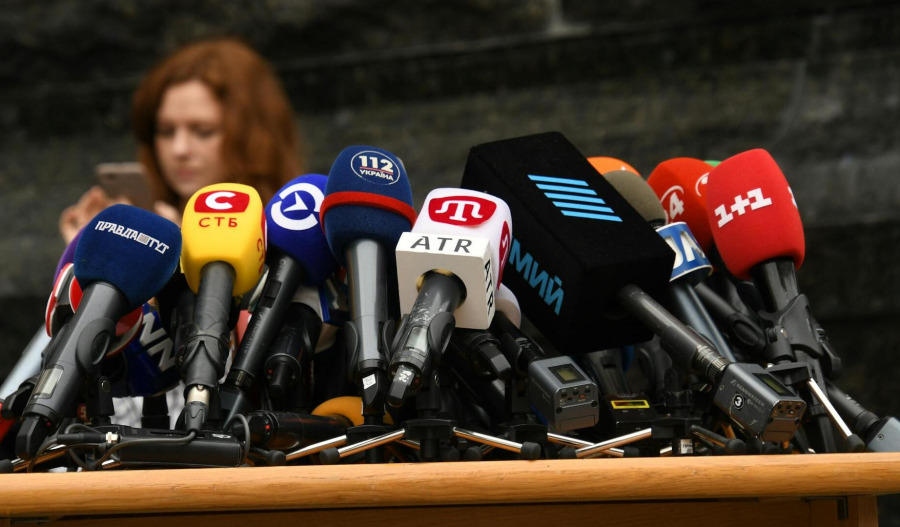
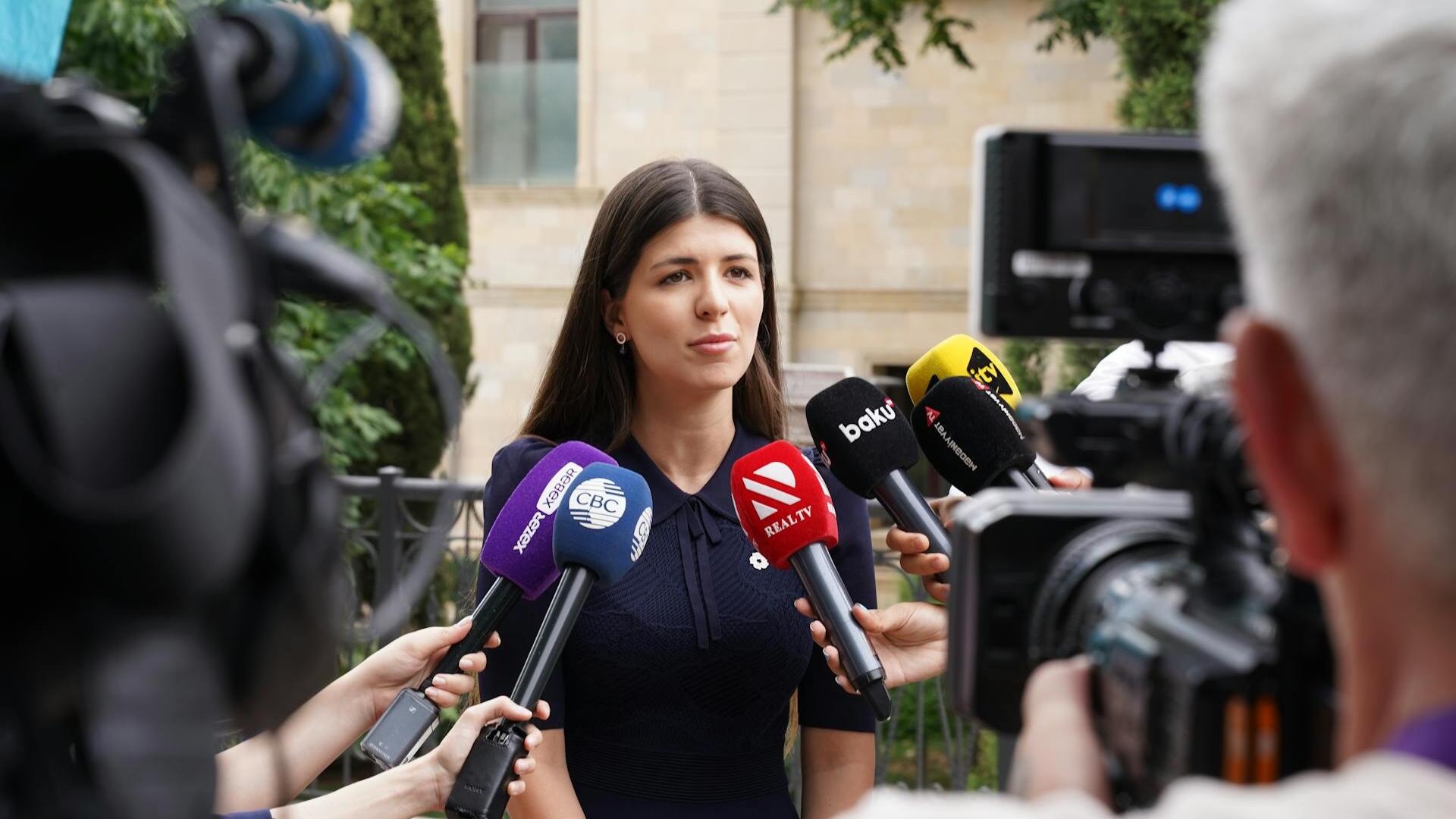
Journalists now receive hundreds of irrelevant emails a day, fuelled by agencies still relying on the spray-and-pray approach, mass distribution in the hope something lands. It is inefficient, disrespectful, and steadily erodes trust.
Business leaders feel the consequences too. Retainers are spent on coverage reports filled with impressions, reach, and links that deliver little commercial return, while what is promised as strategic storytelling often becomes templated content executed at scale.
This is not influence. It is noise.

AI Didn’t Kill PR. It Exposed It.
Artificial intelligence has not disrupted PR nearly as much as headlines suggest. Instead, it has revealed how much of the industry was already operating on autopilot.
If a machine can generate a press release, pitch, founder biography, and messaging without anyone noticing the difference, the real issue is not technology but the absence of original thinking.
Too much modern PR output is indistinguishable from automation, characterised by buzzword-heavy language, interchangeable founder stories, predictable purpose narratives, and a lack of tension, insight, or cultural relevance.
AI did not replace PR. It exposed how replaceable parts of PR had already become.
PR Has Forgotten Its Core Function
At its best, PR is not about coverage or awareness. It is about influence shaping perception, building trust, and positioning organisations within the conversations that define markets and culture.
Yet too often, PR is treated as a tactical service rather than a strategic driver of reputation and growth. Real influence demands senior counsel, commercial understanding, and narratives grounded in truth and relevance.
It also requires the confidence to tell businesses when their story is not ready, and the expertise to help build one that is.
The Accountability Gap
PR’s credibility problem is compounded by its resistance to meaningful measurement.
While earned media will always involve uncertainty, unpredictability has too often been used to avoid performance scrutiny altogether, a position that is no longer acceptable for modern organisations operating in competitive markets.
Leaders now expect PR to generate demand, strengthen reputation, influence stakeholders, build authority, and contribute to revenue, not simply report reach and sentiment as proof of success.
The agencies gaining ground are those aligning communications with commercial outcomes and being willing to stand behind results.
What the Future Requires
PR is not disappearing, but its legacy model is.
The next era belongs to practitioners who treat PR as a strategic discipline embedded in business performance rather than a press-release function operating on the sidelines.
It belongs to those who understand culture as deeply as communications, who design narratives rather than merely distribute them, and who measure influence in outcomes rather than outputs.
Modern PR requires senior strategic counsel, narrative architecture, cultural intelligence, commercial alignment, trusted relationships, and original thinking - work that cannot be automated or commoditised.
A Necessary Reset
The industry now faces a defining choice: defend outdated practices or evolve fast enough to matter again.
In a business environment saturated with content, trust has become the only durable competitive advantage.
And trust is not bought through visibility alone, it is built through credibility, consistency, and meaningful influence.
PR is not beyond repair, but it does require a reset. The organisations willing to lead that reset will shape not only the future of communications, but the future of brand trust itself.