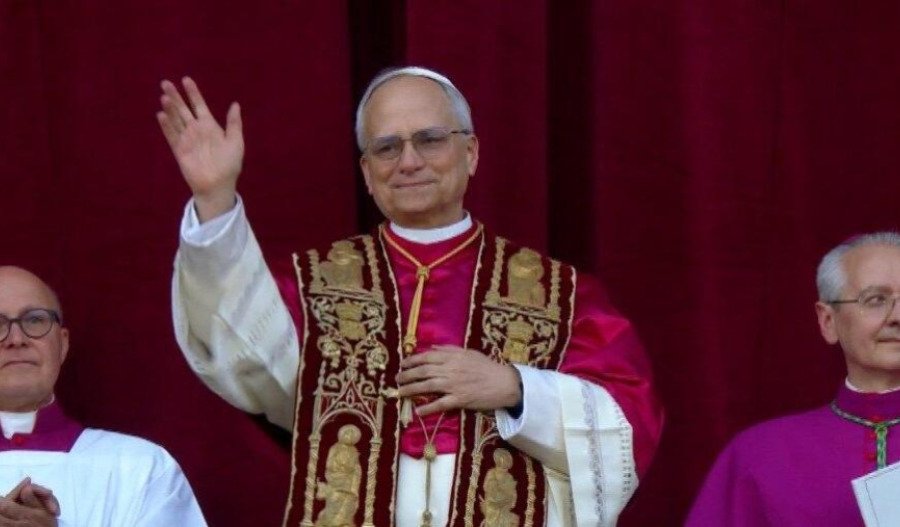
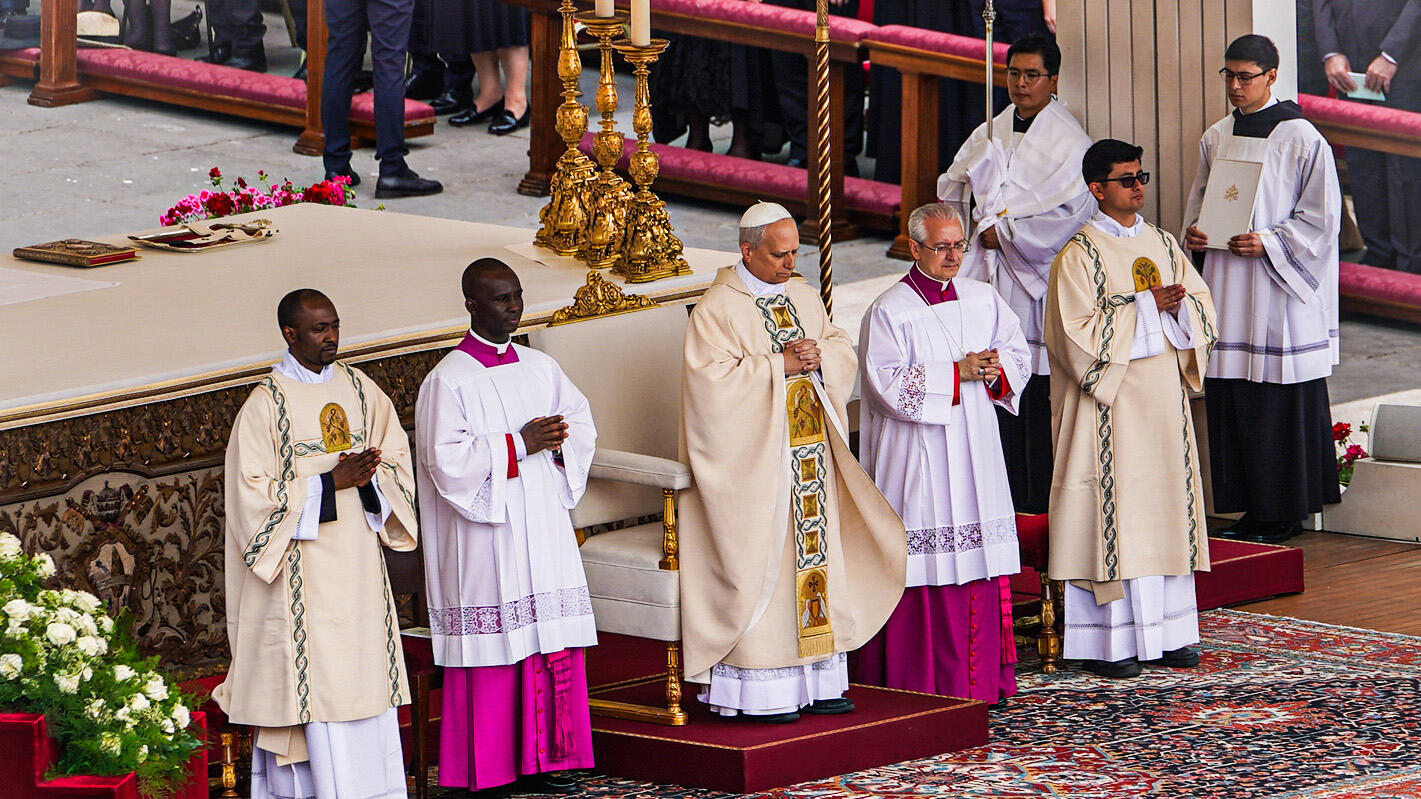
Pope Leo XIV has urged governments worldwide to slow the development of artificial intelligence (AI) systems and curb their disruptive effects.
He was supported by Anthropic co-founder Chris Olah, who said firms like his needed outside scrutiny.
Catholic popes have been urging global leaders to address social justice issues for 135 years across some two dozen major documents that many of the world's 1.4 billion faithful can cite by their two or three-word titles.
Now, Leo XIV has added his name to the pantheon, issuing his sweeping vision on Monday titled Magnifica Humanitas (Magnificent Humanity).
Invoking the biblical story of the Tower of Babel — where a human tribe is driven by pride to build a tower tall enough to reach Heaven, angering God — the pope said the story shows the risk of any enterprise that "aspires to reach heaven without God's blessing".
"With the heart of a shepherd and a father, I ask everyone to abandon the construction of yet another Tower of Babel and to join forces in building up the common good," Pope Leo stated.

At the Vatican event, Anthropic co-founder Chris Olah thanked Pope Leo for addressing the problems raised by the disruptive new technology.
He said firms like his faced strong commercial pressures and needed outside scrutiny.
Pope Leo has presented the first major teaching document of his papacy, warning that artificial intelligence needs to be "disarmed".
"The word is strong, I know, but deliberately chosen because this moment needs words capable of attracting attention," the Pope said.
Encyclicals are technically letters to Catholic bishops, but over recent decades, the missives have become messages to the world from a Pope.
While this letter was largely focused on AI, Pope Leo also included one of the strongest, most comprehensive apologies from the Vatican for the Catholic Church's role in slavery.
It was "impossible not to feel deep sorrow when contemplating the immense suffering and humiliation endured by so many," the Pope wrote, adding that he "sincerely asked for pardon" in the name of the Church.