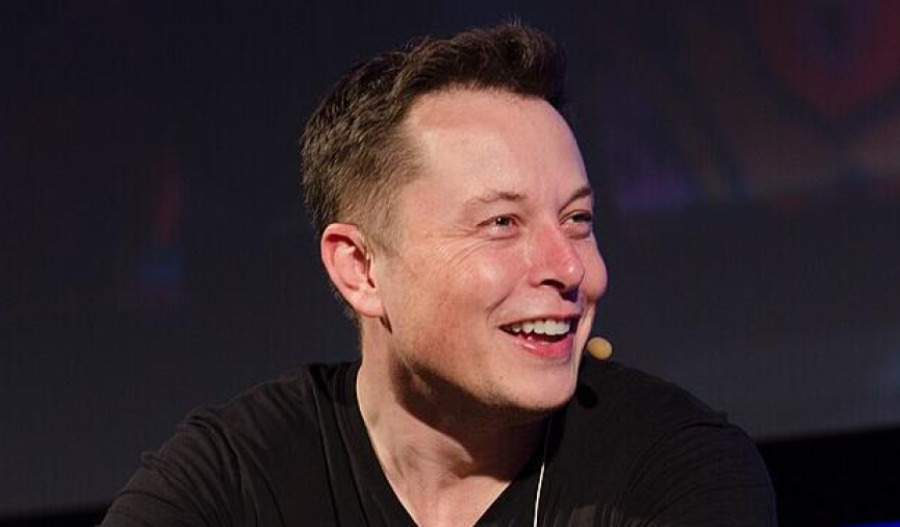
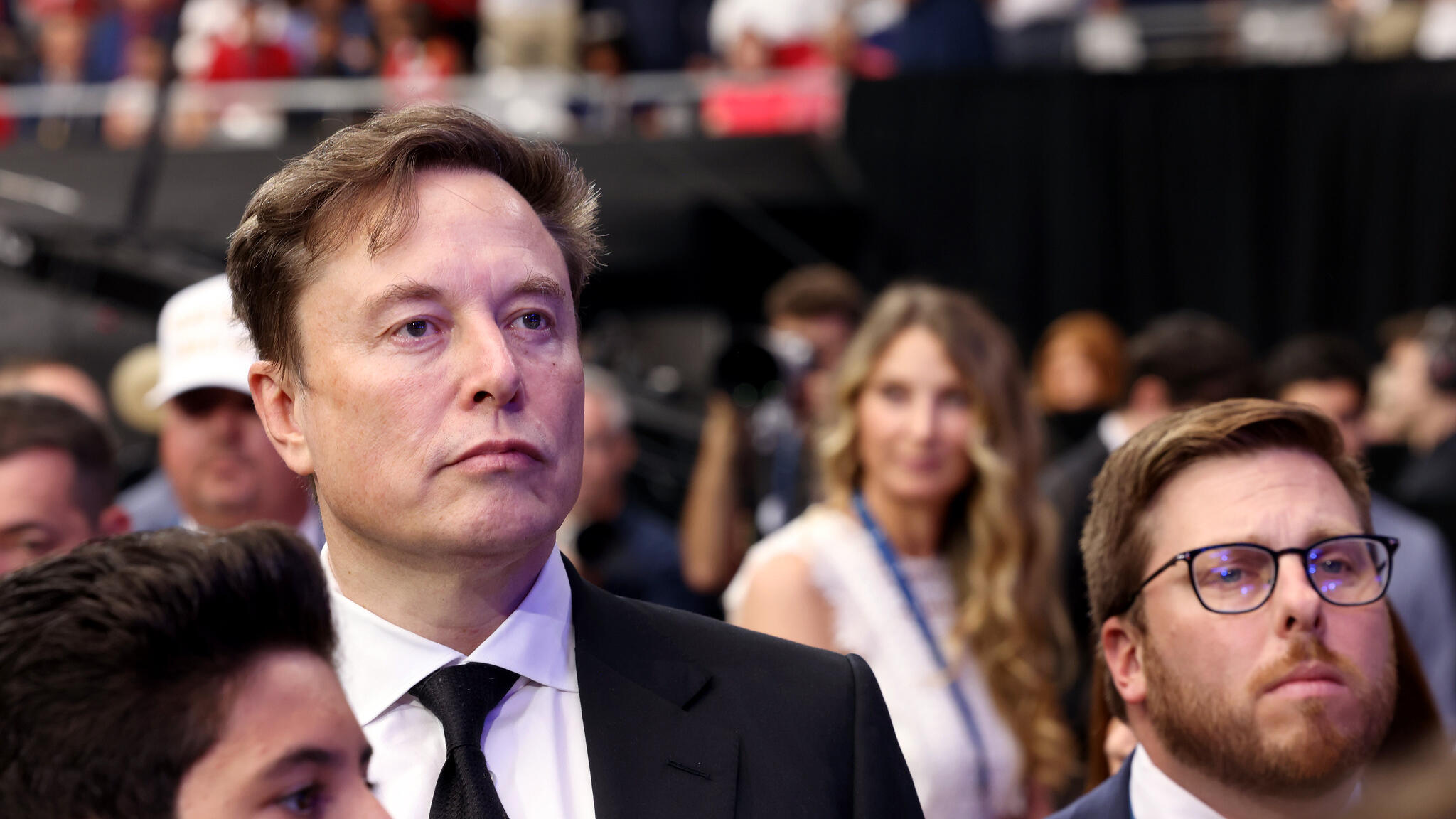
OpenAI has cleared another hurdle in its path toward a possible US$1 trillion initial public offering (IPO) with a jury ruling against Elon Musk in his lawsuit against the artificial intelligence (AI) company he jointly founded in 2015.
In a unanimous verdict, a federal court jury in California found Musk filed his claims too late under the statute of limitations, ending a three-week trial that exposed bitter divisions between the billionaire entrepreneur and the company, which is best known for its ChatGPT AI chatbot.
The jury took less than two hours to find OpenAI was not liable to Musk, the world's richest person, for allegedly betraying its original mission to benefit humanity by instead becoming a for-profit business.
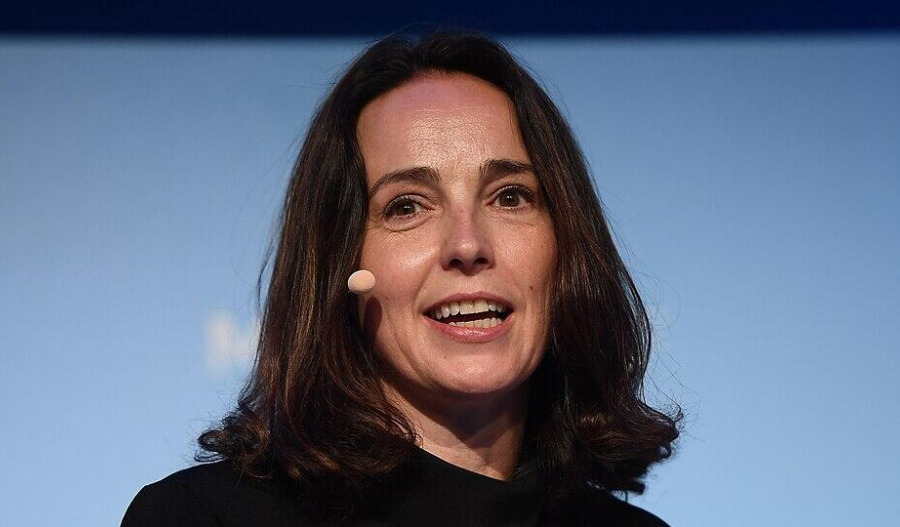
But Musk was not giving up, signalling he planned to appeal and repeating his claim that joint founders, Chief Executive Officer Sam Altman and President Greg Brockman, saw OpenAI as a means to achieve great wealth.
"Altman & Brockman did in fact enrich themselves by stealing a charity. The only question is WHEN they did it!" Musk wrote in a post on X. "Creating a precedent to loot charities is incredibly destructive to charitable giving in America."
The results simplify the path for OpenAI to proceed with a possible IPO that could value the business at US$1 trillion (A$1.4 billion), according to this Reuters article.

U.S. District Judge Yvonne Gonzalez Rogers, who oversaw the trial, said in court after the verdict that Musk may face an uphill battle in an appeal, because whether the statute of limitations ran out before he sued was a factual issue.
"There's a substantial amount of evidence to support the jury's finding, which is why I was prepared to dismiss on the spot," the judge said.
Musk claimed OpenAI, Altman and Brockman manipulated him into giving them $38 million before going behind his back by attaching a for-profit business to its original non-profit and accepting tens of billions of dollars from Microsoft and other investors.
Musk lawyer Marc Toberoff, said the verdict may encourage other start-up companies that began as non-profits to raise money, create for-profit entities to achieve scale, and enrich their officers and directors.
"It's a brand new formula for Silicon Valley," he told reporters.
OpenAI was founded by Altman, Brockman, Musk and others in 2015, but Musk left its board in 2018, and OpenAI set up a for-profit business the next year.