Oil prices extended gains during Tuesday’s Asian session as escalating rhetoric from United States President Donald Trump and ongoing supply disruptions in the Middle East heightened market concerns.
By 2:10 pm AEST (4:10 am GMT), Brent crude futures rose $1.70, or 1.6%, to US$111.47 per barrel, while US West Texas Intermediate (WTI) crude futures jumped $3.18, or 2.8%, to $115.59.
The gains came as Trump intensified his warnings against Iran, threatening stronger action if the country fails to reopen the Strait of Hormuz, with a deadline set for 8 pm EDT Tuesday (10 am AEST Wednesday) for the waterway to reopen.
Trump warned that the U.S. could unleash severe consequences if Tehran does not comply.
In response to a U.S. proposal delivered via mediator Pakistan, Iran rejected the idea of a temporary ceasefire, insisting instead on a permanent end to the conflict. Tehran also pushed back against pressure to reopen the Strait.
Iranian forces have effectively closed the Strait of Hormuz since late February following U.S. and Israeli strikes, disrupting a passage that typically carries around 20% of global oil flows.
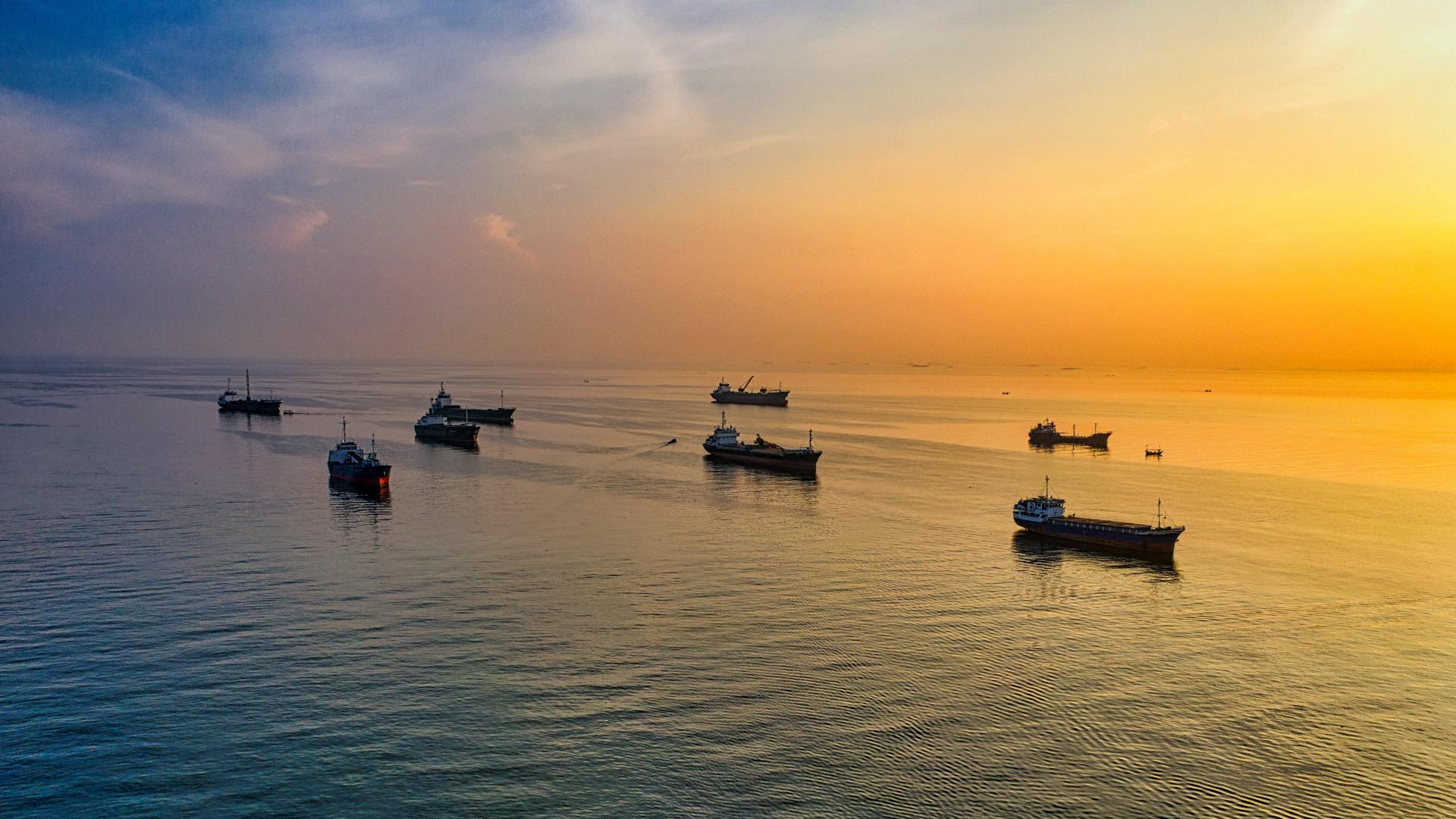
Tensions in the region have continued to impact shipping activity. Reports indicated that Iran’s Revolutionary Guards halted two Qatar-bound liquefied natural gas tankers on Monday, instructing them to hold position without explanation.
Shipping data suggests traffic through the Strait has remained limited since last week, according to Reuters.

Analysts at ANZ also noted that the outlook for oil flows remains constrained despite some movement over the weekend.
"The waterway has seen 21 ships transit over the weekend, according to ship tracking data. However, Iranian vessels continue to dominate traffic. The prospect of Iraqi oil finding its way through the strait rose after Iran announced it wouldn’t stop exports of Iraqi oil.
"However, Iraq doesn’t have its own shipping fleet. Its oil is sold as free-on-board, meaning cargoes are delivered at Basra ports, with Asian buyers covering shipping and insurance costs.
"That will likely prevent any significant volume of oil from finding its way onto international markets."
On the geopolitical front, the United Nations Security Council is expected to vote on a resolution aimed at protecting commercial shipping through the Strait of Hormuz.
Military activity in the region has also intensified. Explosions were reported in Damascus on Tuesday, attributed to Israeli interception of Iranian missiles.
Saudi Arabia said it intercepted and destroyed seven ballistic missiles targeting its Eastern Region, with debris falling near key energy infrastructure.
Further adding to supply concerns, Russia reported that Ukrainian drone strikes damaged infrastructure at the Caspian Pipeline Consortium terminal on the Black Sea, which handles around 1.5% of global oil supply.
Meanwhile, the Organization of Petroleum Exporting Countries, and allies (OPEC+) agreed to increase oil output quotas by 206,000 barrels per day in May. However, the boost is expected to have limited real-world impact, as several member nations face constraints on exports due to ongoing disruptions in the Strait of Hormuz.