Oil prices rebounded more than 1% during Wednesday’s Asian session, recovering from near multiyear lows in the previous session after United States President Donald Trump ordered “a total and complete” blockade of all sanctioned oil tankers entering and leaving Venezuela, injecting fresh geopolitical risk into markets already grappling with fragile global demand.
By 3:45 pm AEDT (4:45 am GMT), Brent crude futures were up 73 cents, or 1.2%, at $59.65 a barrel, while U.S. West Texas Intermediate crude gained 73 cents, or 1.3%, to $56.00 a barrel.
The rebound followed a sharp sell-off in the previous session that pushed oil prices close to five-year lows, driven by optimism over progress in Russia-Ukraine peace talks.
Any potential deal could see Western sanctions on Moscow eased, raising the prospect of additional Russian supply returning to a market already viewed as well supplied.
Trump’s order, announced on Tuesday, targets all sanctioned vessels transporting Venezuelan oil and adds a new layer of uncertainty around near-term supply.
The U.S. president also said he now regarded Venezuela’s rulers as a foreign terrorist organisation, escalating pressure on the government of President Nicolas Maduro.

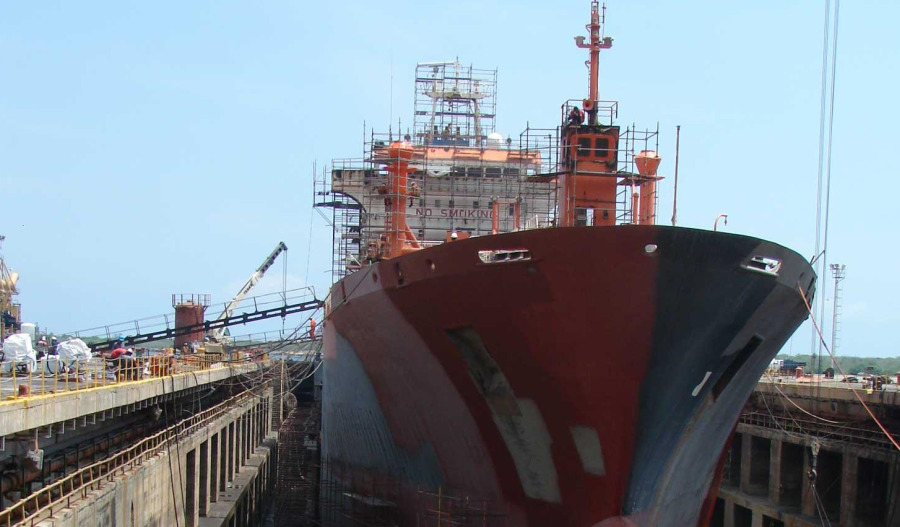
The latest comments came just a week after the U.S. seized a sanctioned oil tanker off the coast of Venezuela, a move that marked a significant escalation in Washington’s pressure campaign against Caracas.
Trump has repeatedly accused the Maduro government of allowing drugs to enter the United States, a claim Venezuela has denied.
While many tankers lifting crude from Venezuela are already under U.S. sanctions, others transporting Venezuelan oil, as well as crude from Iran and Russia, have so far avoided penalties.
In addition, tankers chartered by Chevron continue to carry Venezuelan crude to the U.S. under a specific authorisation previously granted by Washington.
Despite the near-term price rebound, ANZ analysts caution that the broader oil market remains well supplied. They note that any sustained upside in prices would likely depend on how long the Venezuelan embargo remains in place and whether it materially tightens global supply.
“The end to the Russia-Ukraine war brings with it the prospect of Russian crude flowing onto a market that is already seeing rising supply from major producers such as OPEC. This is mitigating rising risks to Venezuelan supply,” they said.