Oil prices extended their gains during Asian deals on Monday as stalled diplomatic efforts between the United States and Iran and constrained flows through the Strait of Hormuz tightened supply expectations.
By 2:55 pm AEST (4:55 am GMT), brent crude futures rose $1.21, or 1.2%, to US$106.54 per barrel, while US West Texas Intermediate (WTI) climbed $0.86, or 0.9%, to $95.23 per barrel.
The latest advance builds on a strong rally last week, when Brent and WTI surged nearly 17% and 13%, respectively, marking their largest weekly gains since the onset of the conflict.
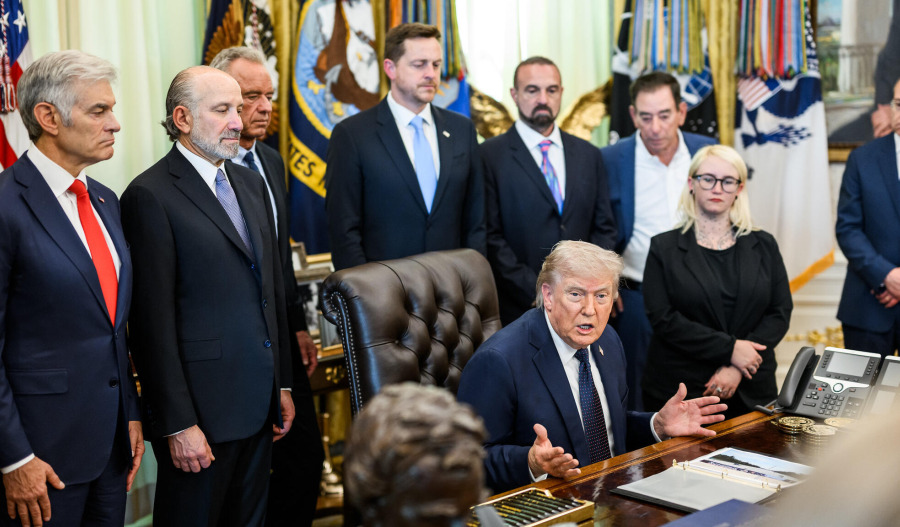
Market sentiment has been driven by faltering peace negotiations. Over the weekend, U.S. President Donald Trump cancelled plans to send envoys Steve Witkoff and Jared Kushner to Islamabad, dampening hopes for renewed dialogue, even as Iran’s Foreign Minister Abbas Araghchi arrived in Pakistan for discussions.
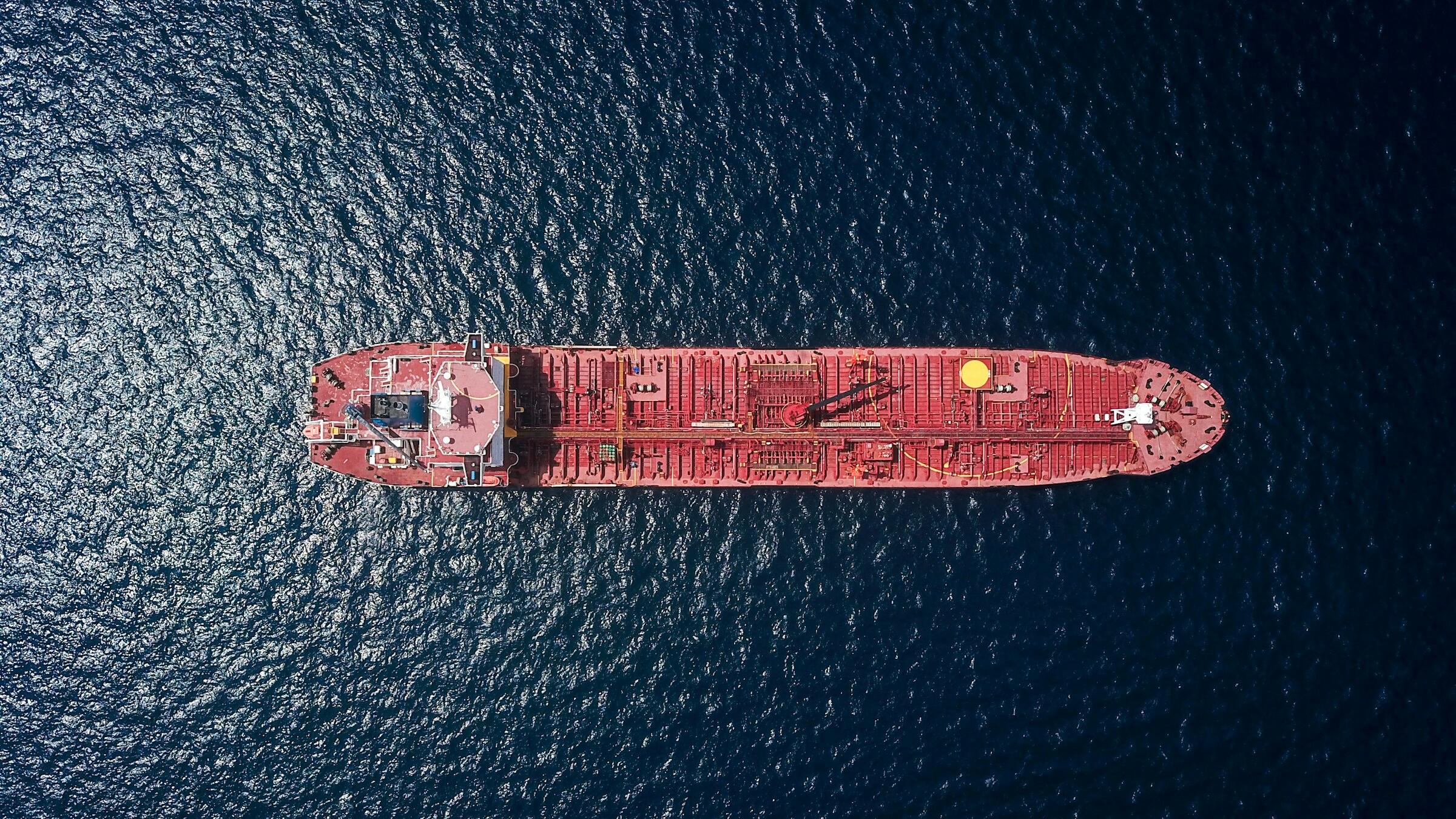
Supply concerns have intensified as Tehran effectively restricted access through the strategically critical Strait of Hormuz, while Washington has imposed a blockade on Iranian ports.

Analysts at ING noted that the global market faces limited alternatives to offset a shortfall of roughly 13 million barrels per day:
“There’s little alternative to fill a roughly 13m b/d shortfall. In the short term, inventories help to fill the gap, whether commercial or strategic reserves. Clearly, the longer this persists, the more demand destruction we will need to see. To see further demand destruction, prices will need to move higher."
ING added: “The U.S. also has tightened Iranian oil-related sanctions. It imposed sanctions on China’s Hengli Petrochemical (Dalian) Refinery Co. for its purchases of Iranian oil, as well as approximately 40 shipping companies and vessels that form part of Iran’s shadow fleet.
Amid the disruptions in the Strait of Hormuz, Iranian oil has continued to transit the strait. The U.S. blockade appears aimed at forcing a resolution and increasing pressure on Iran to return to negotiations.”
Meanwhile, Reuters reported that Goldman Sachs raised its fourth-quarter oil price forecasts to $90 per barrel for Brent and $83 for WTI, citing reduced output from the Middle East.
“The economic risks are larger than our crude base case alone suggests because of the net upside risks to oil prices, unusually high refined product prices, products shortages risks, and the unprecedented scale of the shock,” analysts led by Daan Struyven said in a note.