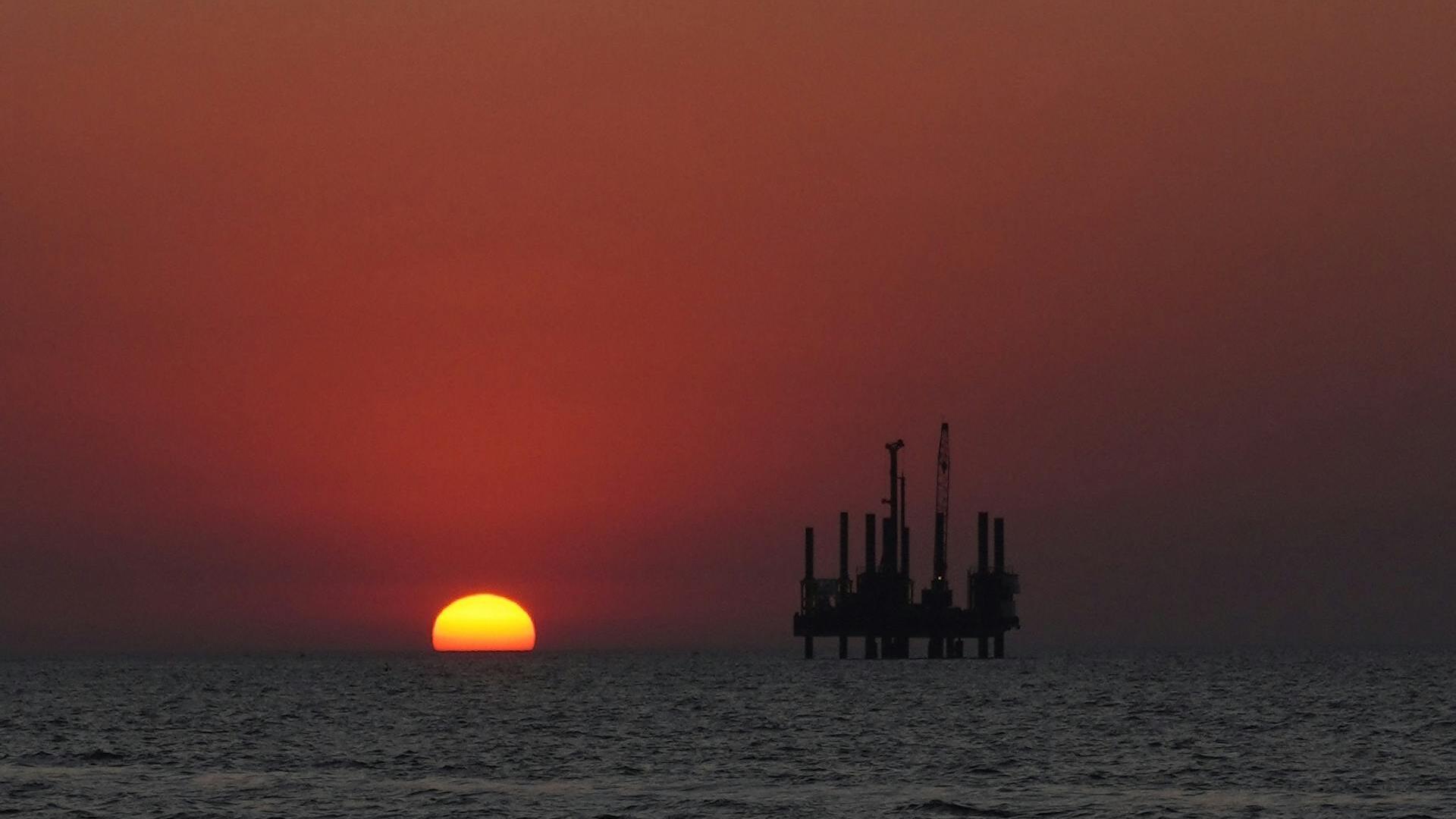
Oil prices ticked lower during Asian deals on Tuesday, easing from gains of over 2% in the previous session, even as escalating Russia-Ukraine tensions kept supply disruption fears in focus.
By 3 pm AEDT (4 am GMT), Brent crude futures for March delivery were down 6 cents, or 0.1%, at $61.43 per barrel, while U.S. West Texas Intermediate crude also eased 6 cents, or 0.1%, to $58.02 per barrel.
Both benchmarks had settled 2.1% and 2.4% higher, respectively, in the previous session after Moscow accused Kyiv of targeting President Vladimir Putin’s residence, stoking concerns about potential supply disruptions.
Ukraine has dismissed Russia’s accusation as baseless, saying it was designed to undermine peace negotiations.
Despite the modest pullback, analysts said escalating geopolitical tensions could revive fears of supply disruptions and place renewed upward pressure on oil prices.
Traders also remained focused on developments in Venezuela after President Donald Trump claimed an attack had been carried out on an alleged drug-loading dock.

Data from TankerTrackers.com suggests that nearly US$900 million (A$1.35 billion) worth of Venezuelan crude is currently stranded on tankers due to U.S. naval enforcement.
“Based on our visual analysis from both shore and space, we estimate that there are around 17.5 million barrels of crude oil floating onboard tankers in Venezuela which are unable to depart due to the ongoing US blockade,” independent research firm Tanker Trackers wrote on X.
“That's around $900M of oil.”
Meanwhile, crude inventories rose by 405,000 barrels to 424.8 million barrels in the week ended December 19, according to the Energy Information Administration (EIA), compared with market expectations for a 2.4 million-barrel draw.
Middle East risks were also in focus after Trump said the United States could support another major strike on Iran if it resumes rebuilding its ballistic missile or nuclear weapons programmes.
Trump further warned Palestinian militant group Hamas of severe consequences if it does not disarm, adding that he wanted to move to the second phase of the ceasefire agreement between Israel and Hamas reached in October, following two years of fighting in Gaza.