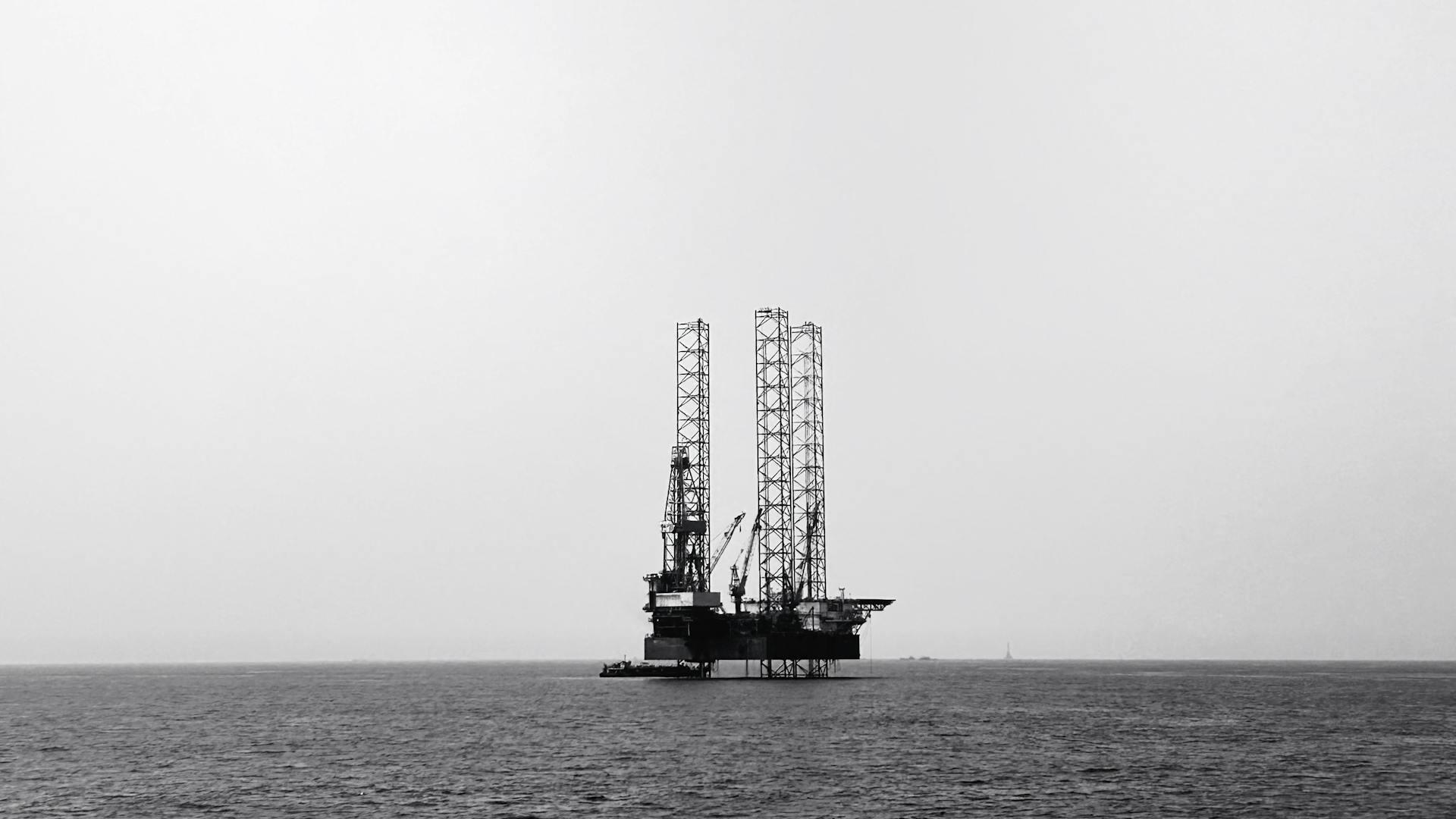
Oil prices fell during Wednesday's Asian trade as expectations of a build-up in United States crude inventories outweighed lingering concerns over a temporary halt in production at two major oilfields in Kazakhstan, while renewed geopolitical tensions continued to cap gains.
By 2:55 pm AEDT (3:55 am GMT) Brent crude futures were down 72 cents, or 1.1%, at US$64.20 per barrel, while U.S. West Texas Intermediate crude for March fell 57 cents, or 0.9%, to $59.79 per barrel.
Both benchmarks had climbed nearly $1 a barrel, or about 1.5%, in the previous session after OPEC+ producer Kazakhstan halted output at the Tengiz and Korolev oilfields on Sunday due to power distribution issues.
ANZ analysts said the production halt followed precautionary shutdowns after fires at power generators servicing the fields.
“Kazakhstan’s largest oil producer recently halted production at the Tengiz and Korolev fields as precautionary measures after two fires at power generators. The Tengiz field is expected to remain shut for at least 10 days. This comes after Kazakhstan reduced oil production after drone strikes affected the Caspian Pipeline Consortium’s shipping terminal in Russia, which is the outlet for about 80% of Kazak exports.
"Russia’s oil exports are also under pressure from U.S. trade sanctions. Exports plunged to a four-month low, with total shipments at 3.16mb/d in the four weeks to 18 January. Most of the fall has been a result of lower purchases by Indian refiners, who have become increasingly concerned about being locked out of the US financial system,” the analysts said.

Despite those supply concerns, traders focused on signs that the disruption may be temporary, while attention shifted to upcoming U.S. inventory data.
A preliminary Reuters poll on Tuesday showed U.S. crude oil and gasoline stockpiles were expected to rise last week, while distillate inventories likely fell, with analysts estimating crude stocks increased by about 1.7 million barrels in the week to January 16.
Weekly figures from the American Petroleum Institute are due at 4:30 pm EST (9:30 pm GMT) on Wednesday, with official data from the Energy Information Administration scheduled for 12 pm EST (5 pm GMT) on Thursday.
Both reports were delayed by one day due to a U.S. federal holiday on Monday.
Geopolitical risks continued to hover over the market. U.S. President Donald Trump’s threat to impose fresh tariffs on European nations if no agreement is reached for the United States to gain control of Greenland has added pressure to oil prices, as investors weigh the potential impact of trade measures on global economic growth.
Trump said on Tuesday there was “no going back” on his goal to control Greenland.
Tensions in the Middle East also remained elevated after Trump threatened to strike Iran over its crackdown on anti-government protests earlier this month.