
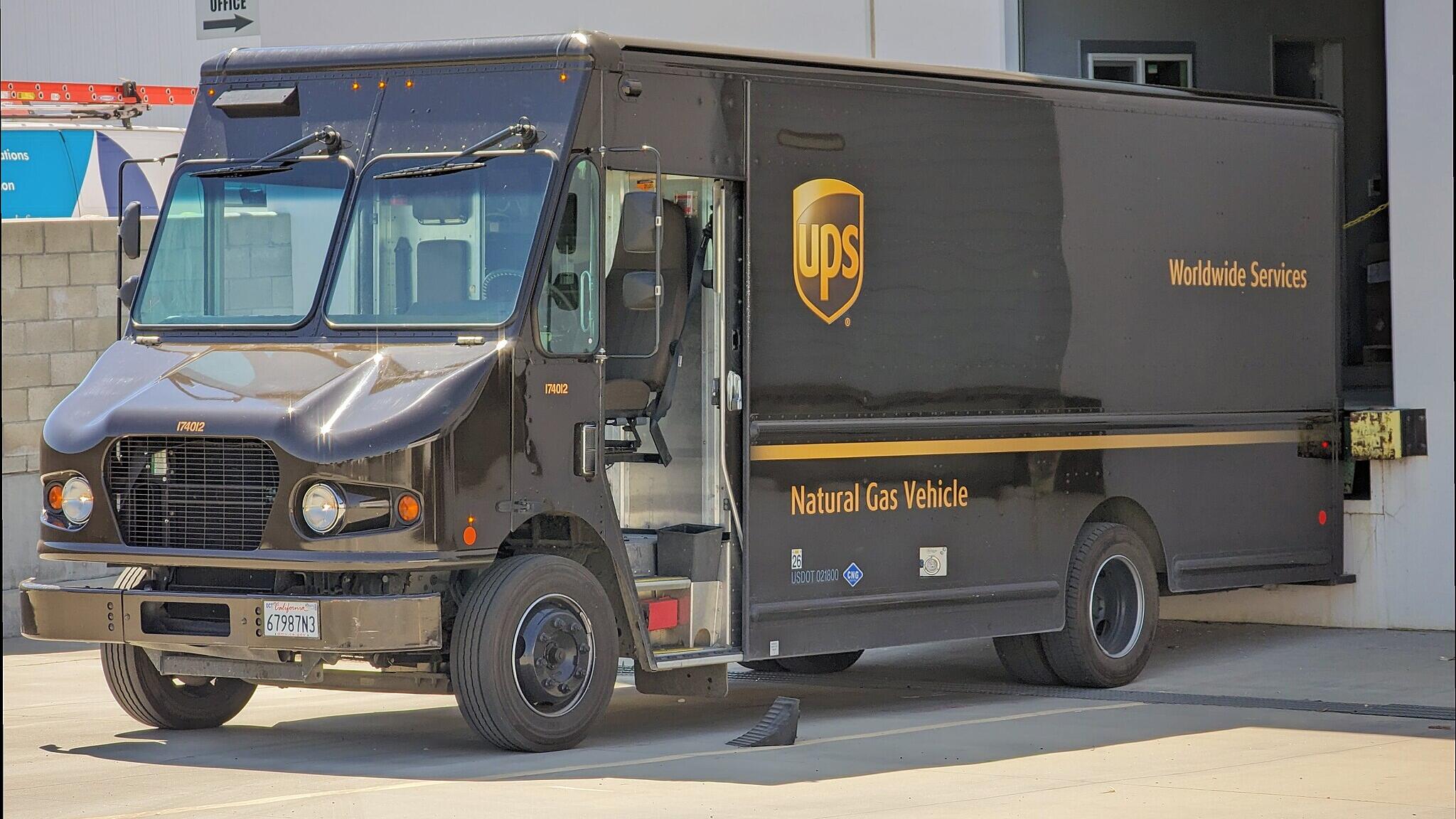
New York Attorney General Letitia James has filed a lawsuit against United Parcel Service (UPS) for allegedly stealing wages.
An investigation by the Office of the Attorney General (OAG) found that UPS has short-changed seasonal workers during the company's peak season for years.
James argued that UPS’s undercounting of workers' hours led to the underpayment of millions of dollars to seasonal workers.
“UPS’s seasonal employees work brutal hours in the cold to deliver the holiday packages families across the country count on,” James said.
“Instead of compensating these workers fairly for their labour, UPS has played the Grinch.
“I am fighting to get these workers their money back and stop UPS from continuing its cruel and unlawful wage theft.”
UPS is the largest package delivery company in the world, generating around US$90 billion in annual revenue and employing nearly 500,000 people worldwide.

The lawsuit also noted that during its peak season from October to January, UPS hired thousands of temporary workers at at least 55 facilities in New York.
In a statement, UPS said it takes accusations of wrongdoing seriously and is thoroughly investigating the matter.
″We are aware of the news from the New York Attorney’s General Office and, as a matter of policy, do not comment on ongoing litigation,” the statement said.
“We offer industry-leading pay and benefits to our more than 26,000 employees in New York, and we remain committed to following all applicable laws.”
According to the OAG investigation, UPS workers said they often reported to facilities or roadside meet-up points, then waited for up to hours without pay, and in some cases were sent home without clocking in.
Workers also said they often went unpaid for time travelling between jobs, watching required training videos, returning undelivered packages and handing in equipment at the end of jobs.
UPS employees also reported unlawful timekeeping practices that led to the undercounting of hours.
This included the company delaying clock-ins until a worker scanned or delivered their first package, deducting pay for 30-minute meal breaks whether the worker took them or not and editing employees' timesheets to reduce paid hours.