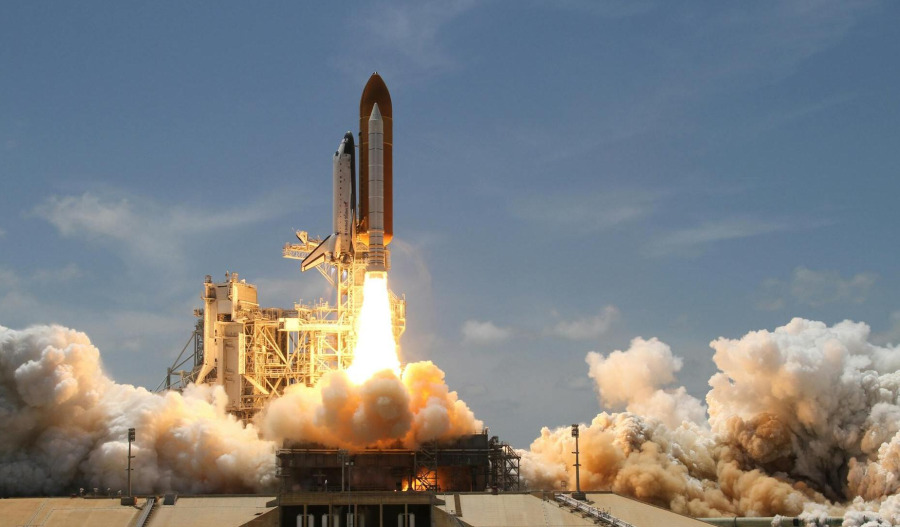
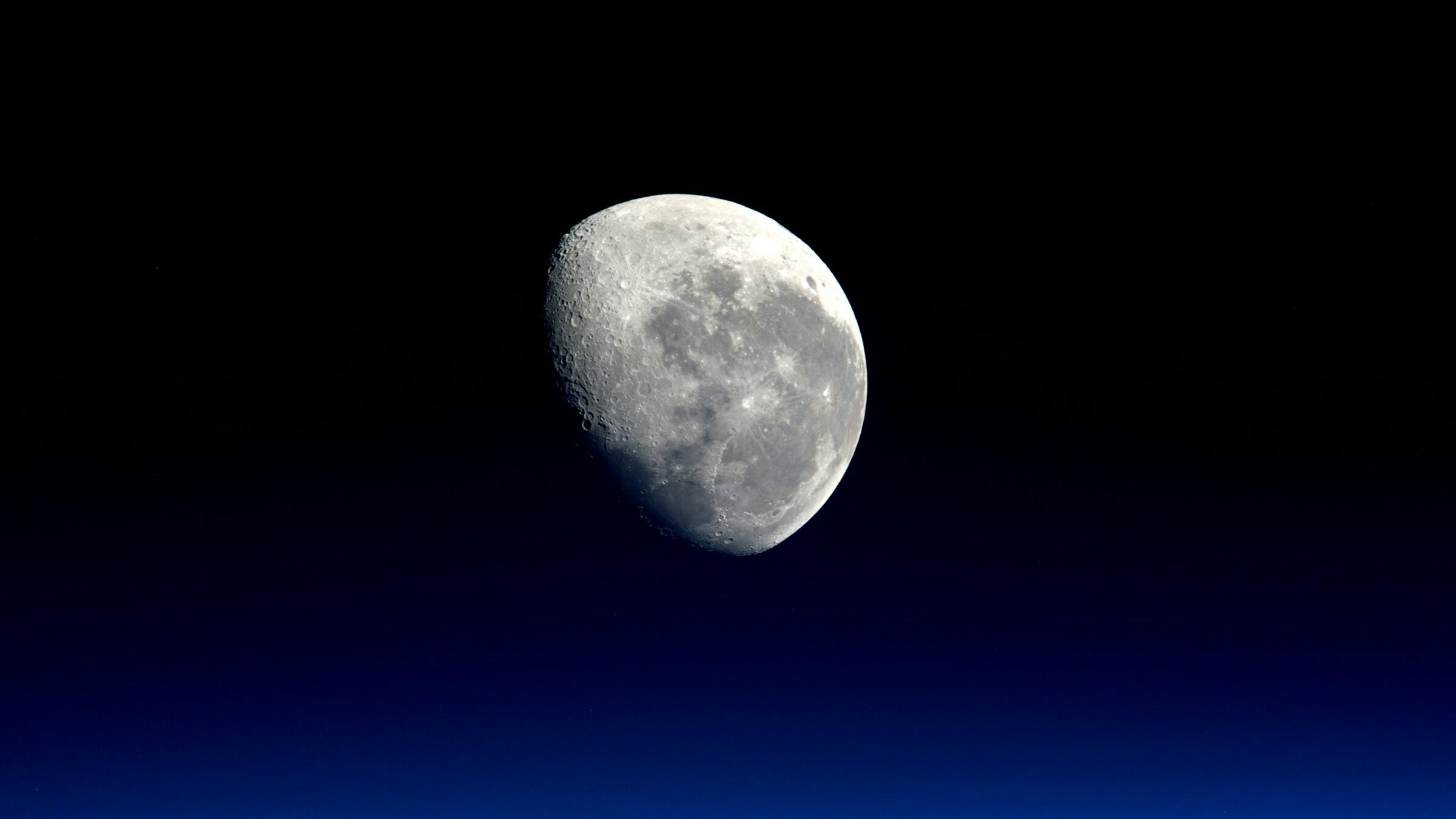
NASA is preparing to launch its first crew to the Moon in 53 years on its second Artemis mission.
The mission will consist of three United States and one Canadian astronaut, who are due to liftoff aboard NASA’s Orion capsule and Space Launch System early Thursday morning for a 10-day test mission swinging around the moon.
The journey will also take them further into space than humans have ever gone.
This will act as a key test flight in humanity’s border goals as the U.S. races to reassert leadership in space amid growing competition from China, which is making progress toward its own moon landing in 2030.
The mission will be the first crewed test flight in the NASA Artemis program and is estimated to have cost at least US$93 billion since 2012.
Humans have not set foot on the moon’s surface since 1972, and NASA aims to complete this once again in 2028.
So far, the U.S. is the only country in the world to put humans on another celestial body with its six lunar landings of the Apollo program, driven by competition with the former Soviet Union.

This also comes as NASA is hoping to stimulate the commercial lunar market in the future.
A PricewaterhouseCoopers (PwC) report from January predicted $127 in revenues by 2050 from lunar activities, with investments reaching $72 billion to $88 billion within the same time period.
In the near future, however, governments will drive companies’ lunar strategies and revenues, and it will be a long time until commercial growth exists on the moon without government input, according to Rational Futures economist Akhil Rao.
"NASA did not see a short-run economic value that companies would be able to derive that would allow NASA to be hands-off," said Rao, who was among a team of economists and space policy staff laid off last year amid the Trump administration's sweeping federal workforce cuts.
While takeoff for the latest mission is scheduled for 1 April, it could be pushed back to 6 April depending on weather conditions in Florida and any last-minute snags with the rocket.
Artemis III, the next mission planned for 2027, will involve the Orion capsule docking in Earth's orbit with NASA's two lunar landers - the Blue Moon system from Jeff Bezos' Blue Origin and Starship from Elon Musk's SpaceX.
This also comes as NASA cancelled plans to deploy a space station in lunar orbit to instead use its components to construct a $20 billion base on the moon’s surface over the next seven years.