While the United States-Israeli war against Iran has put the global spotlight on oil and LNG supply shocks, severely disrupted global supply chains are also significantly impacting fertilisers, high-tech gases and industrial metals, which have triggered a ripple effect on global food security and manufacturing.
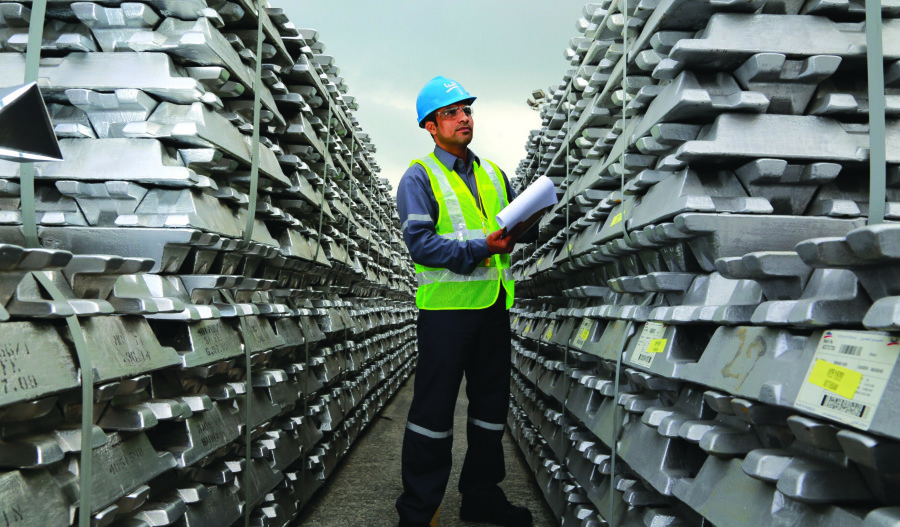
One of the industrial metals most impacted by Iranian strikes on Gulf production sites is aluminium – the world’s second most used metal after iron – with prices up between 10% to 15% to levels unseen in years.
Classified as a critical mineral, aluminium is central to the energy transition through its use across electric vehicles and solar panels.
While pre-war (28 February 2026) prices averaged around US$3,015–$3,065 per tonne, late March saw prices spike to a four-year high of $3,545.50 per tonne following direct strikes on major Gulf smelters.
Fast forward to 7 April an aluminium is trading near $3,450–$3,470 per tonne, maintaining a monthly gain of over 10%.
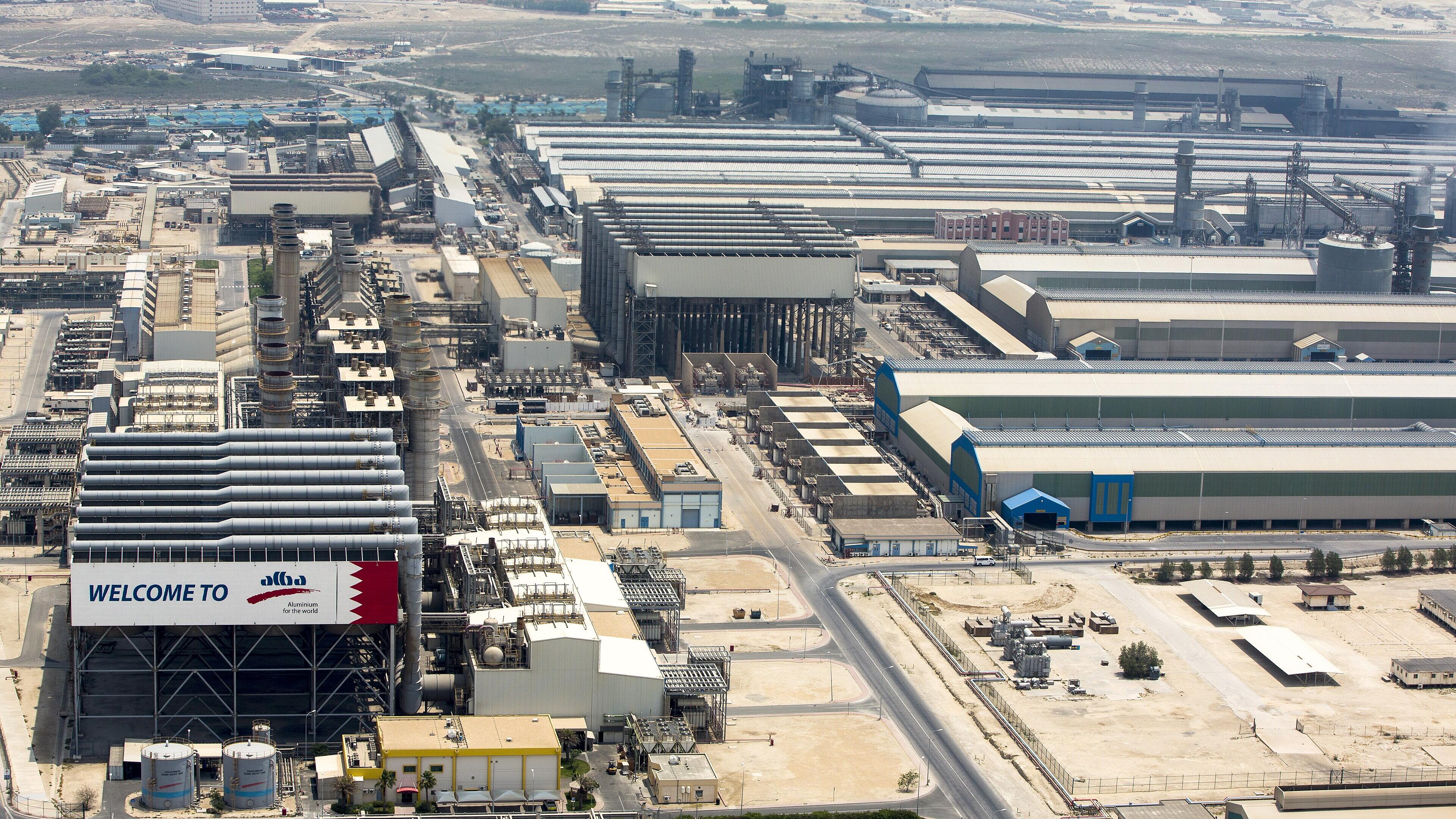
Underpinning aluminium’s price spike is the Iranian missile and drone strikes, which damaged the Al Taweelah smelter (UAE) and Aluminium Bahrain (Alba) plants, which subsequently declared force majeure as they could no longer fulfill export contracts.
The closure of the Strait of Hormuz - a critical waterway accounting for around 9% of global aluminium supply - has seen London Metal Exchange (LME) warehouse inventories fall to their lowest level since July 2025.
Supply chains strain
After a high in 2024, LME aluminium stocks have been decreasing primarily due to sanctions on Russian metal, increased Chinese demand, and significant supply disruptions in the Middle East.
While this has led to further tightening within the aluminium market, analysts at Citigroup have raised their price targets to $3,600/tonne, with a "bull-case" scenario of $4,000/tonne if the Strait of Hormuz remains closed throughout April.
The longer the Iran war persists, the more difficult it becomes for producers to sustain operations.
However, according to leading global research and consultancy firm Wood Mackenzie, the risks are increasingly skewed toward further supply losses and higher prices, with disruptions potentially removing 3–3.5 million tonnes (Mt) of output in 2026.
With disruptions at the Strait of Hormuz potentially cutting off up to 60% of alumina supply to Middle Eastern smelters, the firm’s principal analyst, Charvi Trivedi, suspects the market deficit could rapidly deepen.
With the majority of Middle Eastern aluminium production exported to key markets including Japan, South Korea, Turkey, and Mexico, Trivedi reminds the market that disruption poses significant risks to global manufacturing supply chains.

Duration and severity
While Wood Mackenzie expects aluminium prices to sit at around $3,500 per tonne in 2026 – today trading at $3,471.54/tonne – the firm is also quick to remind the market that outcomes are highly sensitive to the duration and severity of the war.
Even before the Iran war began last February, aluminium had already entered 2026 in a structurally weak position with China’s production cap already reached and no new smelter capacity expected for years.
However, there’s growing fear of a lingering impact on energy security and critical minerals long after the Strait of Hormuz reopens and a ceasefire ensues in the Middle East.
According to Betashares investment strategist Tom Wickenden, aluminium is the latest example of geopolitical disruption wreaking pricing and supply shocks on critical minerals.
“This dynamic isn’t unique to aluminium. The same forces are playing out across the critical minerals complex, from copper to lithium to rare earths, as countries compete to secure supply chains and build strategic reserves,” he said, adding that this was a key point of contention in last year’s U.S. and China trade talks.
But regardless of how the current war in Iran plays out, Wickenden suggests that history points to longer-term prioritisation of energy security, especially in Europe and Asia, where reducing dependence on Middle Eastern oil and liquefied natural gas (LNG) is already a policy imperative.
“That means greater structural demand for the critical minerals underpinning clean energy infrastructure, and a renewed push toward nuclear.”
Diversified miners benefit
Meanwhile, for Australian investors, Wickenden describes the current environment as “broadly supportive” of diversified miners across the materials spectrum.
As a well as flagging companies held within Betashares’ Energy Transition Metals ETF (XMET) - including ASX-listed PLS Group (ASX: PLS), Lynas Rare Earths (ASX: LYC) and BHP (ASX: BHP), he also flagged uranium as a key play, with miners of the metal poised to benefit from what he called the “nuclear renaissance.”
“The lesson from recent quarters is that geopolitical risk, once seen as a short-term shock, is increasingly becoming a longer-term factor for commodity markets.”
Then there are comments by Global X investment strategist Justin Lin, who believes the week’s aluminium moves only emphasise the ETF provider’s view that the Iran war is a more ubiquitous narrative and not just an energy one.
“We have strong conviction that a broad-based commodities exposure remains one of the most effective ways to hedge both geopolitical risk and inflation in the current environment,” he noted.
While the full extent of disruption remains unclear, Lin agrees that when it comes to aluminium, more severe scenarios point to further near-term price upside, with ASX-listed miners expected to continue benefiting.
However, he also warned investors that sustained price strength “could eventually lead to demand destruction, weighing on the longer-term outlook.”