
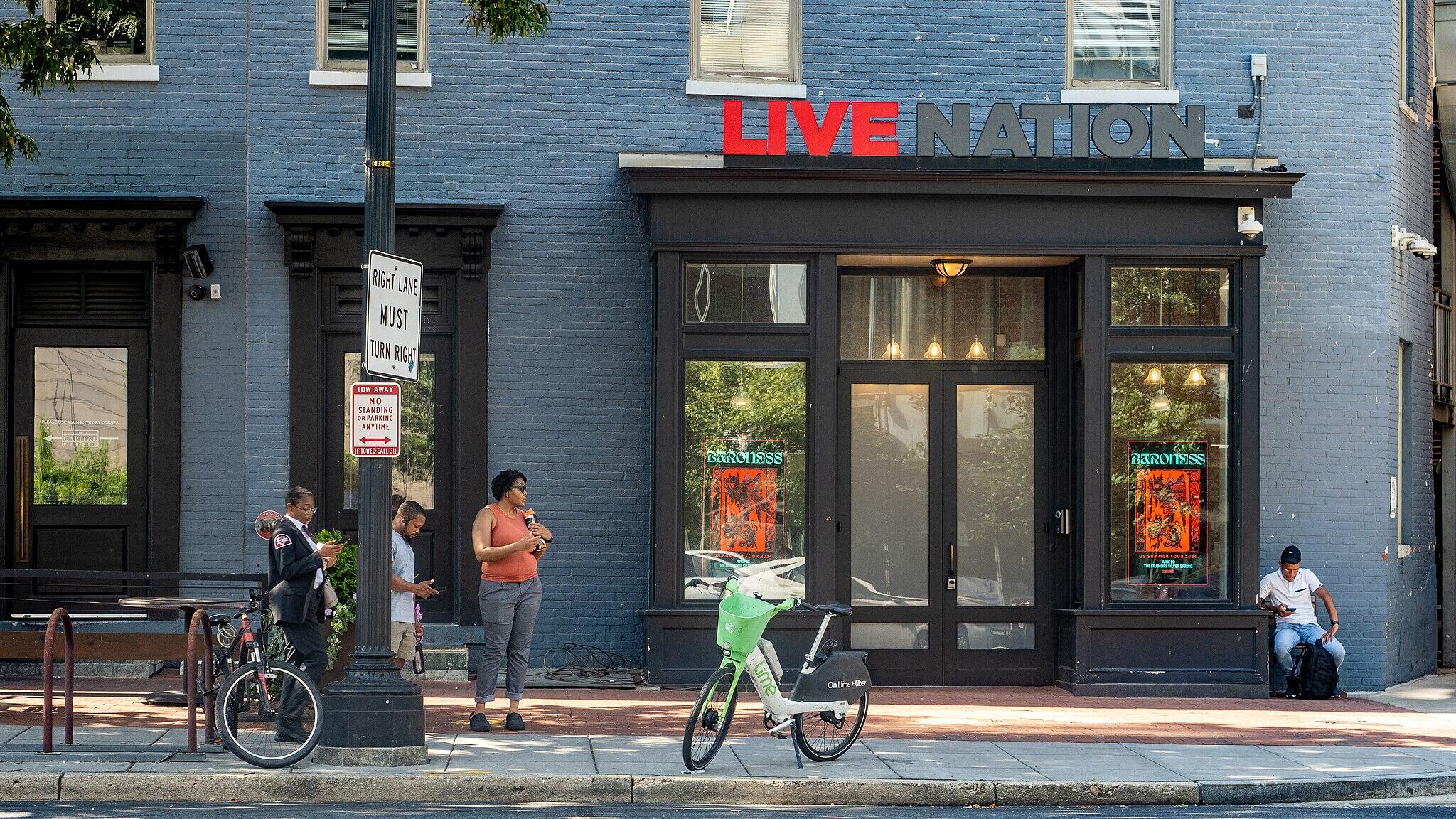
Ticketmaster's parent company, Live Nation, has reached a settlement in the antitrust lawsuit brought by the United States Department of Justice (DOJ).
The settlement will lead to Ticketmaster unwinding some of its exclusivity agreements with musical artists and open up the ticketing industry to greater competition.
It still needs to be approved by more than 20 states that had filed suit and by the court.
Ticketmaster has also agreed to pay around US$280 million in civil penalties and will offer a standalone third-party ticketing system for other companies like SeatGeek to use its technology.
Live Nation also said it would be divesting 13 of its exclusive booking agreements with amphitheatres worldwide.
“Live Nation is proud to lead the way enhancing this experience with our amphitheaters, which will be open to all promoters, allowing these promoters to decide how best to distribute up to 50% of the tickets, and capping ticketing service fees at 15%,” Live Nation CEO and president Michael Rapino said.
Despite the settlement, Live Nation maintains that the DOJ's allegations were without merit.

A portion of the claims was even dismissed by the court before trial began.
“We have never relied on exclusivity to drive our ticketing business, it has simply been the result of having the best products, services and people in the industry,” Rapino said.
“We are happy to take greater steps to empower artists and venues in their ticketing decisions, and are confident we will continue to succeed on the quality of what we deliver.”
Live Nation has long faced criticism of its dominance in the live events and ticketing space, pushing up prices for consumers.
The company was separately sued by the Federal Trade Commission (FTC) over what the agency called “illegal” ticket resale in September.
Ticketmaster controls around 80% of major concert venues’ ticketing, according to the FTC.
New York Attorney General Letitia James said her office would continue to fight against Live Nation’s alleged monopoly even after its agreement with the DOJ.
“The settlement recently announced with the U.S. Department of Justice fails to address the monopoly at the centre of this case, and would benefit Live Nation at the expense of consumers. We cannot agree to it,” said James, who is joined by the attorneys general of more than 20 other states.