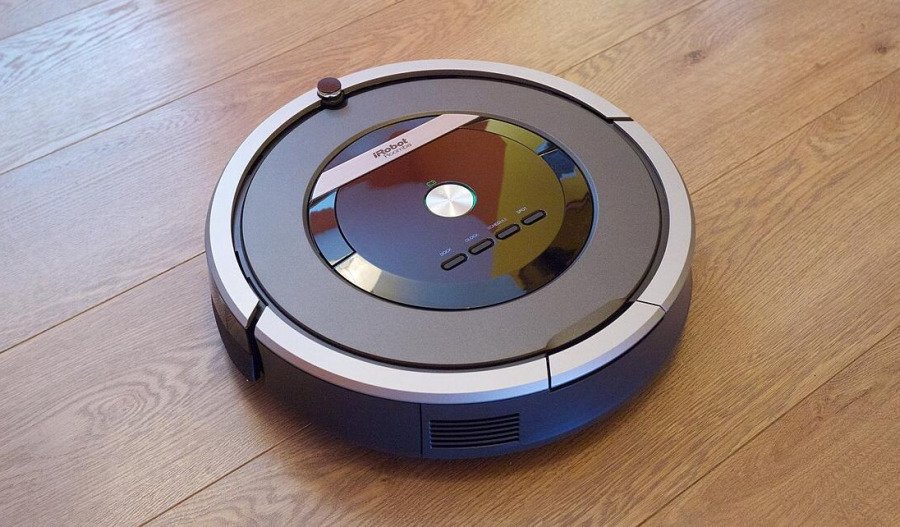
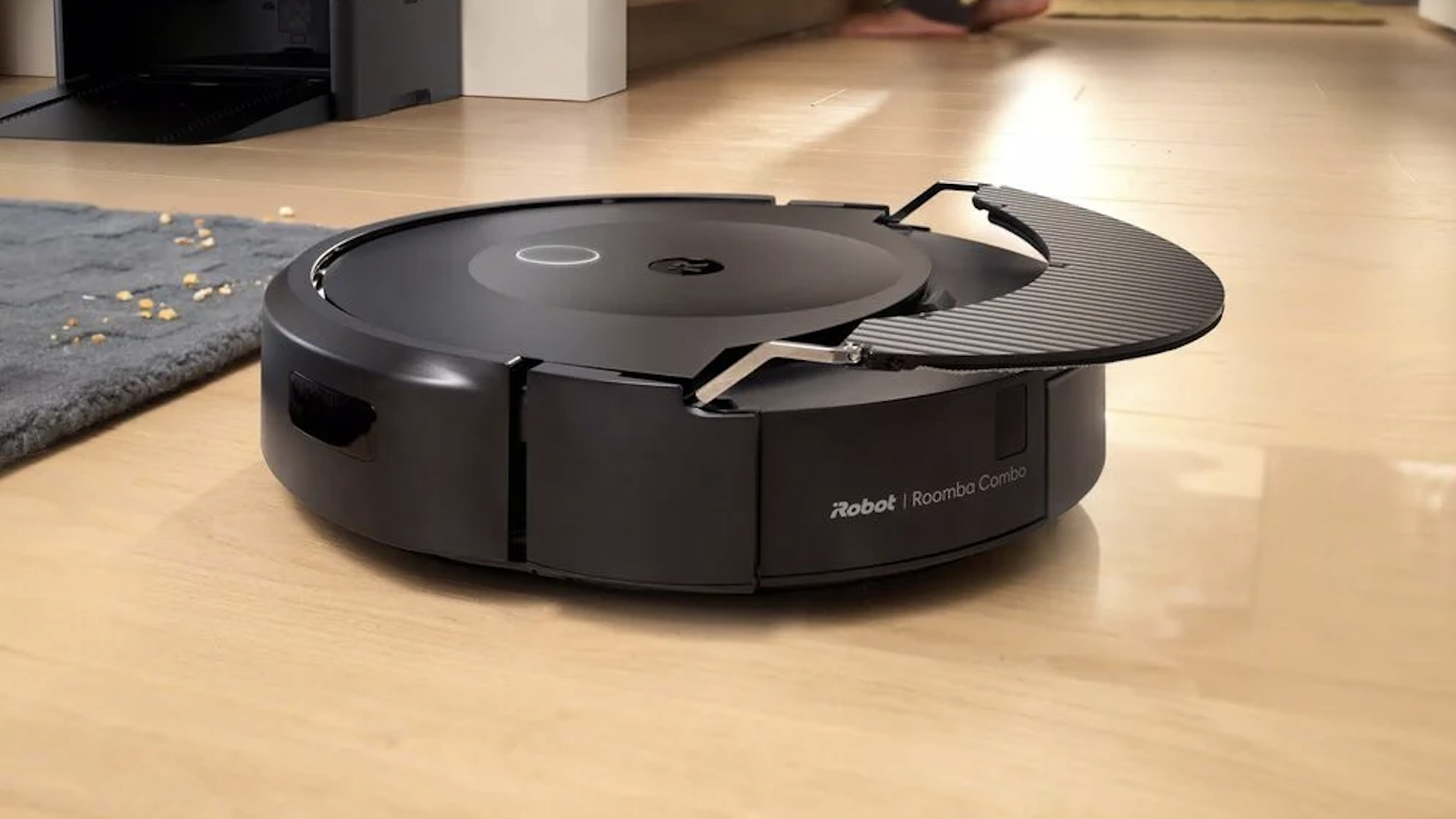
After 35 years, it's the end of the road for iRobot and its world-famous Roomba robot vacuum, after the company filed for Chapter 11 bankruptcy protection on Sunday in Delaware, with ownership to be hoovered up by its main manufacturer - China-based Picea.
The Massachusetts-based company has struck a restructuring deal to be acquired by Picea which essentially swaps ownership for cancelling a massive pile of debt.
Under this pre-packaged plan, Picea will snap up 100% of the equity and wipe out about US$264 million in IOUs, with the strategic transaction to drive growth expected to wrap up by next February.
For regular shareholders, the news is unfortunately bleak, as they aren't expected to recover any money when the company goes private and eventually delists from the Nasdaq.

On the bright side, if you own a Roomba, CEO Gary Cohen insists it is business as usual - meaning warranties and the app will keep working while they stabilise the company's financial position.
This financial crash comes after a brutal stretch that started when Amazon walked away from a $1.7 billion buyout in early 2024 because regulators in the EU and US blocked the move.
Since then, iRobot has been squeezed by cheaper rivals like Roborock and Ecovacs, and was further hammered by a 46% tariff on goods from Vietnam that added roughly $23 million to their costs this year.
Once the court gives the green light, the acquisition will fold iRobot’s design and operations directly into Picea, consolidating everything under the manufacturer's roof.