Iran launched attacks on United States military infrastructure across the Gulf on Thursday following American strikes on Iranian territory, further undermining a fragile three-week-old ceasefire and raising fears of a renewed regional conflict.
Iranian state media later reported multiple explosions in southern Iran, including in Bushehr, home to one of the country's nuclear power plants, as well as Konarak, Choghadak and Bandar Abbas.
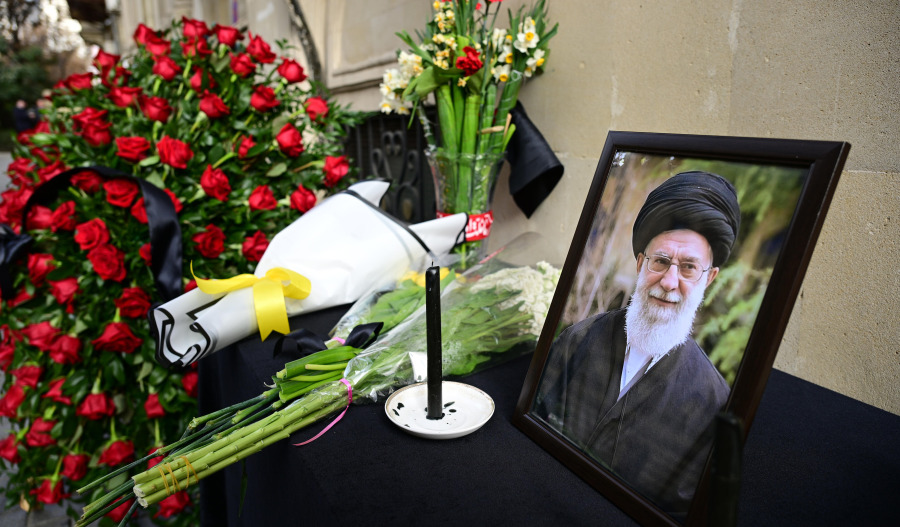
The escalation came as Iran buried slain Supreme Leader Ayatollah Ali Khamenei in the holy city of Mashhad, concluding a week of funeral processions and public mourning.
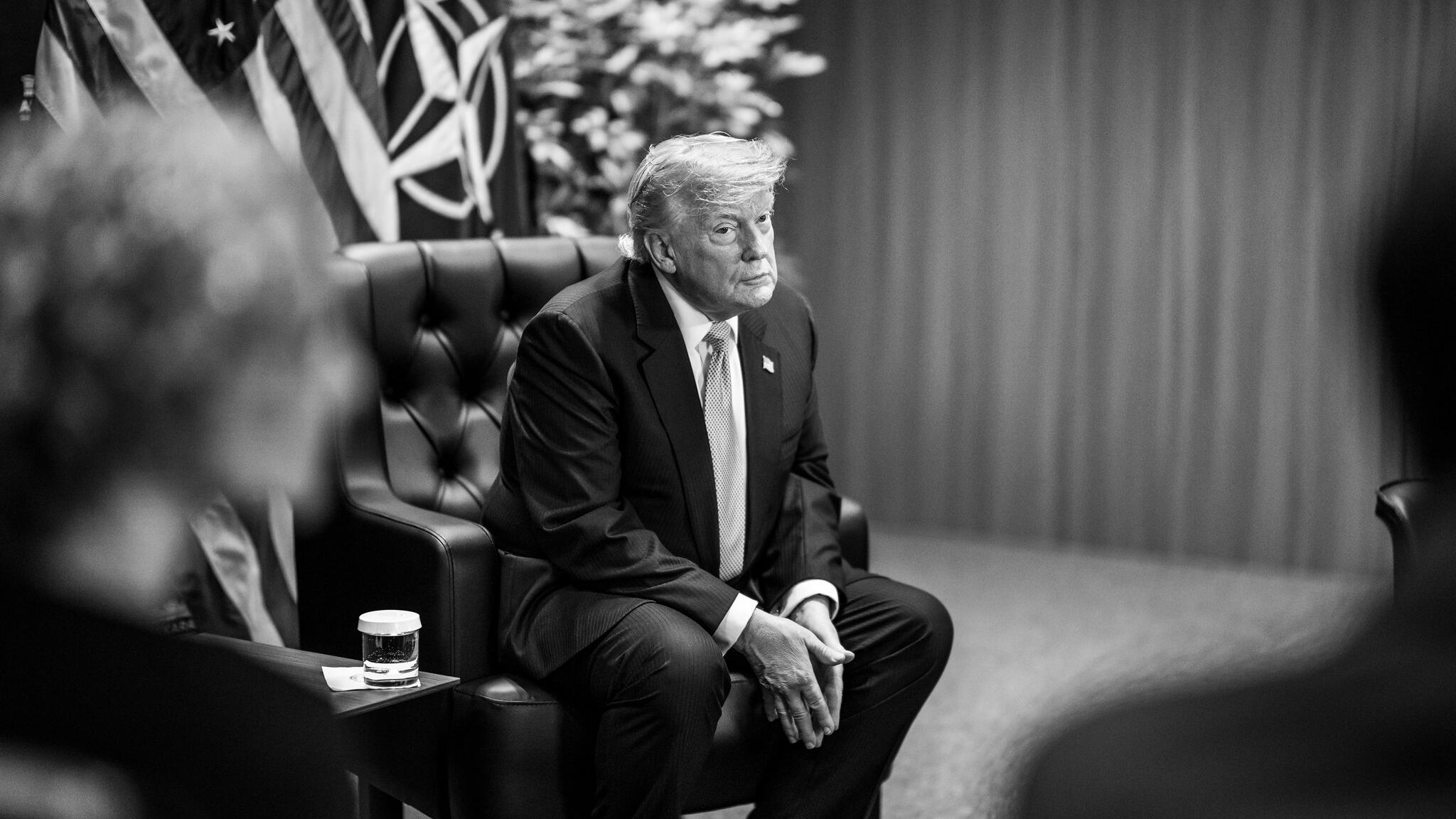
U.S. President Donald Trump said on Wednesday evening he was uncertain whether Washington and Tehran were heading back toward full-scale war but insisted Iran was eager to negotiate an end to the fighting.
Speaking aboard Air Force One after departing RAF Mildenhall in the United Kingdom, Trump said U.S. forces had struck Iran "very hard" in response to recent attacks.
"I say we hit them 20 to 1 – every time they hit us, we're going to hit them 20, and we did it last night," Trump said. "They did a little something today, but it was really retribution for last night ... when they hit, we hit back much harder."
Asked whether the conflict was escalating into another war, Trump replied: "I don't know," adding that if hostilities resumed, the United States would "win it very quickly."
"We have many ways we can win, but we've already won militarily," Trump said. "They have very little left, and they want to make a deal so badly... I just don't know if they're worthy of making a deal. I don't know that they're going to honour the deal."
Khamenei was killed in an airstrike on the opening day of the conflict on 28 February as part of a joint U.S.-Israeli campaign that sparked months of fighting, leaving thousands dead and severely disrupting global energy supplies.
The latest escalation follows attacks on Qatari and Saudi shipping earlier this week that effectively ended the ceasefire, with Trump declaring the truce was "over".
Despite the renewed fighting, a U.S. official told Reuters that Washington remained committed to pursuing a diplomatic resolution with Iran and confirmed that technical negotiations were continuing.
Iran's Revolutionary Guards Navy accused the United States of interfering with efforts to restore commercial traffic through the Strait of Hormuz, saying U.S. military operations were hampering the waterway's reopening.
The Guards said shipping volumes had recovered to around 50% of pre-war levels over the past two weeks, with vessels only permitted to transit routes authorised by Tehran. They warned any further U.S. intervention would provoke a "crushing response."
The U.S. military rejected Iran's claims, saying its operations were intended to protect freedom of navigation after accusing Iranian forces of attacking three tankers in the region.

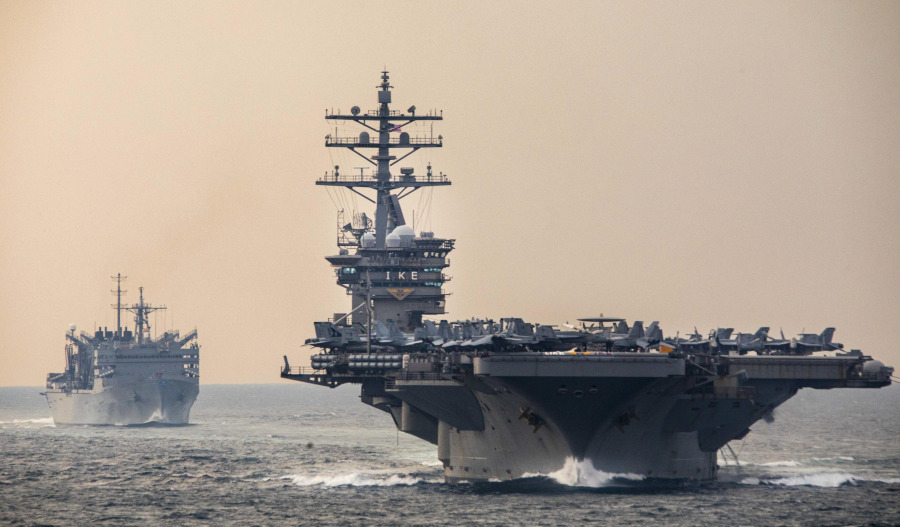
According to the U.S. Central Command, U.S. forces have helped facilitate the safe passage of more than 800 commercial vessels carrying approximately 380 million barrels of crude oil through the Strait of Hormuz since early May.
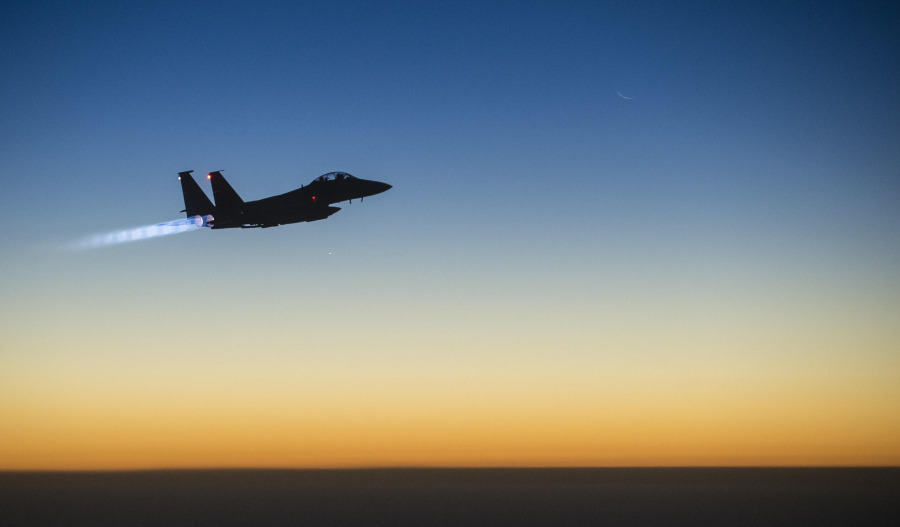
U.S. Central Command also said its forces struck around 90 Iranian military targets on Wednesday, including air defence systems, coastal surveillance installations, and missile and drone storage facilities.
Trump later wrote on Truth Social that the operation was retaliation for attacks on commercial shipping.
"This is in retribution for yesterday's bombing of ships by Iran. If it happens again, it will get much worse!"
Reuters, citing Iranian state media, reported the U.S. strikes killed 14 people and injured 78 across five provinces on 8 and 9 July.
Iran's Fars News Agency said one U.S. strike damaged a railway bridge used for trade with Russia and China.
A local official in Bushehr said a U.S. projectile struck the perimeter of the Russian-built nuclear power plant. The outer grounds of the facility had previously been hit before the April 8 ceasefire.
Iran's military later announced it had launched attacks against U.S. Patriot missile systems in Kuwait, an early-warning facility in Qatar and a U.S. Army fuel depot in Bahrain.
Kuwait said its air defences intercepted a cruise missile, three ballistic missiles and 10 drones, with one person suffering minor injuries from falling debris.
Air raid sirens also sounded across Jordan after missiles launched from Iran entered its airspace. Authorities said eight missiles were intercepted and no casualties or damage were reported.
The Revolutionary Guards subsequently claimed responsibility for launching 10 ballistic missiles at Jordan's Azraq military base, which hosts U.S. forces, as well as a U.S. military command centre elsewhere in the region.
Qatar, home to the largest U.S. military base in the Middle East, condemned attacks on commercial shipping while urging all parties to return to diplomacy.
The foreign ministers of Turkey and Oman also held separate discussions with Iranian Foreign Minister Abbas Araqchi, stressing the need to avoid further escalation.
During a separate call with Pakistan's army chief, Araqchi criticised what he described as U.S. "warmongering policies".
Before the conflict, the Strait of Hormuz handled roughly one-fifth of global oil supplies. Iran now says it controls access to the strategic waterway and insists any reopening will occur on its terms.