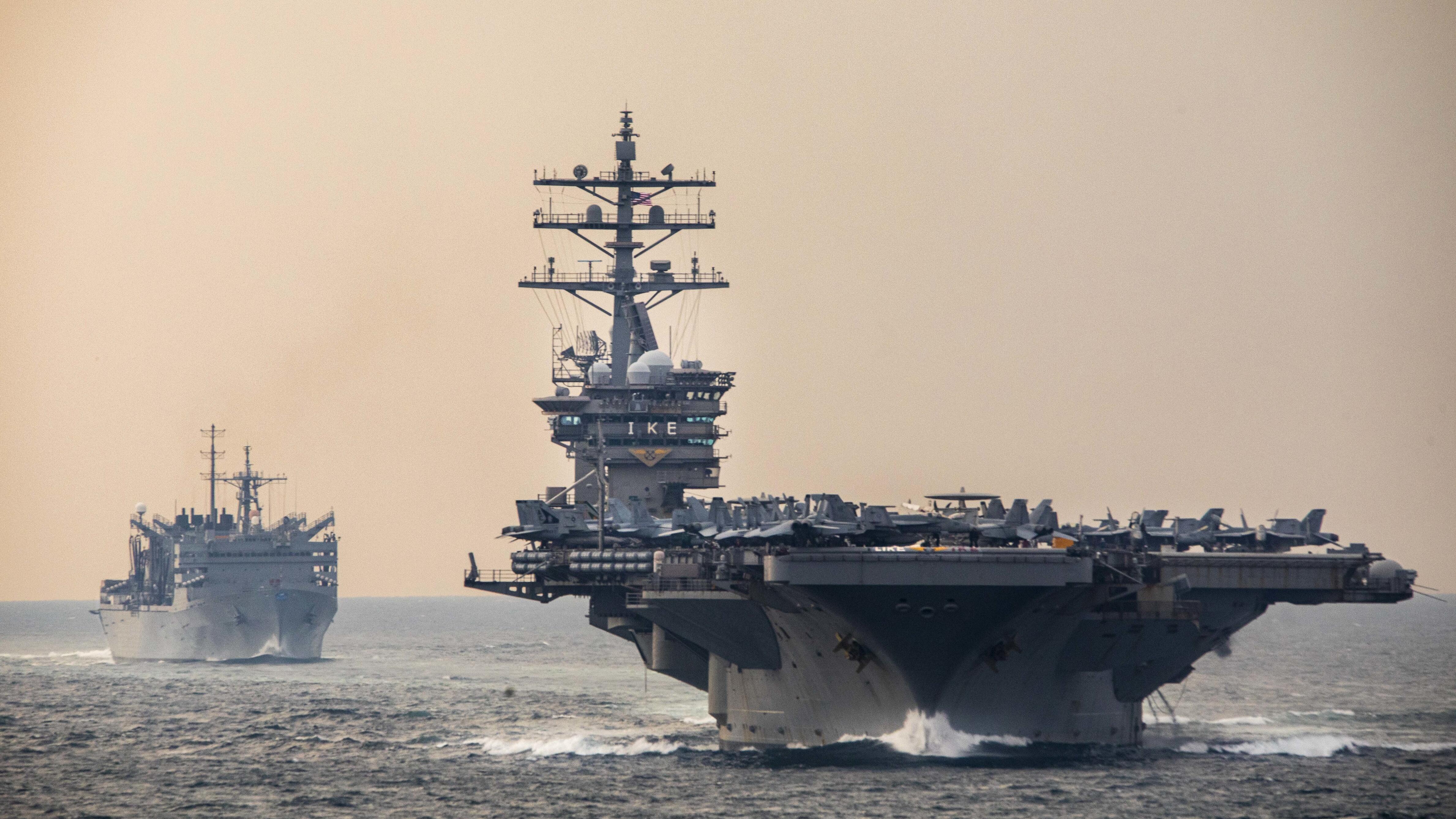
The United States launched a "series of powerful strikes" against Iran on Tuesday in retaliation for attacks on three commercial vessels transiting the Strait of Hormuz, according to U.S. Central Command (CENTCOM).
"U.S. Central Command forces have begun launching a series of powerful strikes against Iran to impose heavy costs for targeting and attacking commercial shipping crewed by innocent civilians in an international waterway," CENTCOM said in a post on X.
"The U.S. strikes are in response to Iranian attacks on three commercial vessels that were transiting the Strait of Hormuz. Iran’s demonstrated aggression was unwarranted, dangerous, and a clear violation of the ceasefire."
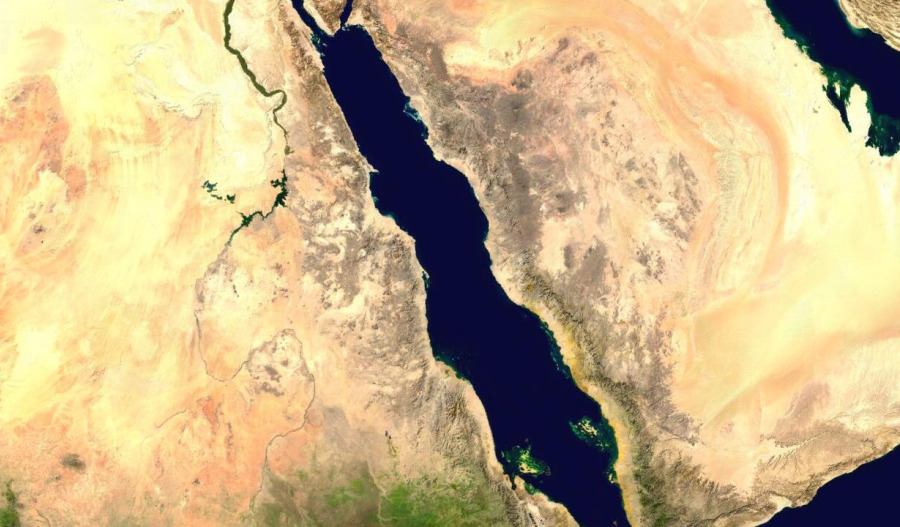
The latest military action threatens to reignite conflict in the Middle East and raises fresh concerns over the security of the Strait of Hormuz, a vital global energy shipping route.
Oil prices have already climbed sharply in response to the renewed tensions, with Brent and West Texas Intermediate futures up 3% and 2.7%, respectively.
The strikes follow a similar exchange between Washington and Tehran last month after Iranian attacks on commercial shipping in the strait.
Although both sides agreed to halt hostilities under a fragile ceasefire while negotiations continued, Tuesday's escalation casts doubt over the durability of that agreement.
The United States and Iran signed a memorandum of understanding in June aimed at ending the conflict, reopening the Strait of Hormuz and restoring safe passage for commercial vessels. The renewed strikes are expected to test that agreement.

President Donald Trump has repeatedly said the objective of the military campaign is to prevent Iran from acquiring a nuclear weapon, a key issue in ongoing negotiations under the memorandum of understanding.
Separately, the U.S. Treasury Department on Tuesday revoked its authorisation for Iranian oil sales following this week's attacks on tankers in the Strait of Hormuz.
"Iran will only reap benefits if they exhibit good behaviour," a U.S. official told CNBC, speaking on condition of anonymity to discuss private deliberations.
"Iran’s actions in the Strait were wholly unacceptable to the United States and will be met with consequences."
According to the Joint Maritime Information Center, a U.S.-led naval security group, a liquefied natural gas tanker, an oil supertanker and a third commercial vessel came under attack in or near the Strait of Hormuz on Tuesday.
The organisation raised the threat level for vessels transiting the waterway to "severe", warning that further hostile action by Iran is likely.
The Treasury Department had previously waived sanctions on Iranian oil through 21 August after Washington and Tehran reached an interim agreement to reopen the Strait of Hormuz.
The waiver permitted imports of Iranian crude into the United States and allowed payments to Tehran in U.S. dollars.
While Iran agreed to guarantee safe passage through the strait under the deal, Tehran later insisted that vessels use a northern shipping corridor under its control. It has since targeted ships using the U.S. Navy-protected route along the Omani coast.