Iran has ruled out direct talks with senior United States envoys, casting fresh doubt over prospects for a lasting peace agreement amid persistent divisions despite a ceasefire reached two weeks ago.
Iranian officials said on Tuesday they would not meet with U.S. representatives who had travelled to the region following the outbreak of hostilities, instead opting to continue discussions through mediators.
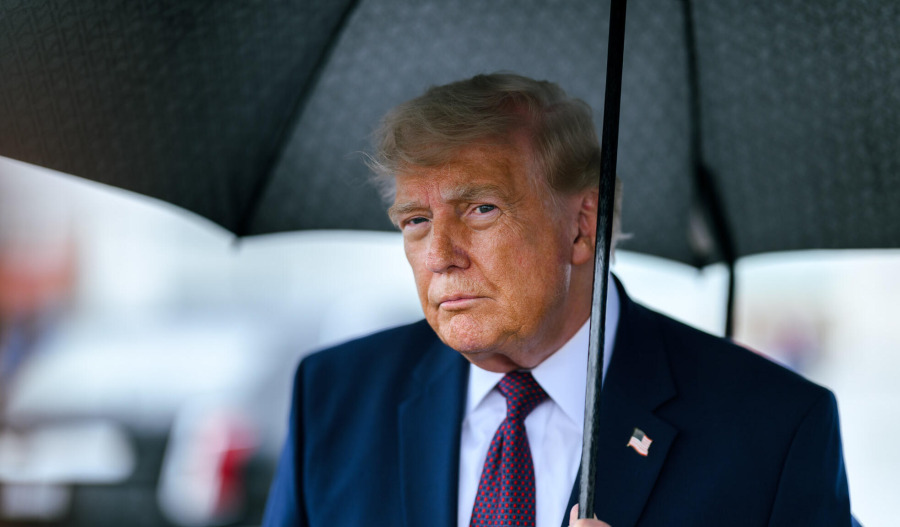
U.S. President Donald Trump's son-in-law Jared Kushner and special envoy Steve Witkoff arrived in Doha for what the White House described as "high level" talks.
However, Iranian officials and host nation Qatar confirmed the discussions would be conducted through intermediaries rather than through direct meetings with Iranian representatives.
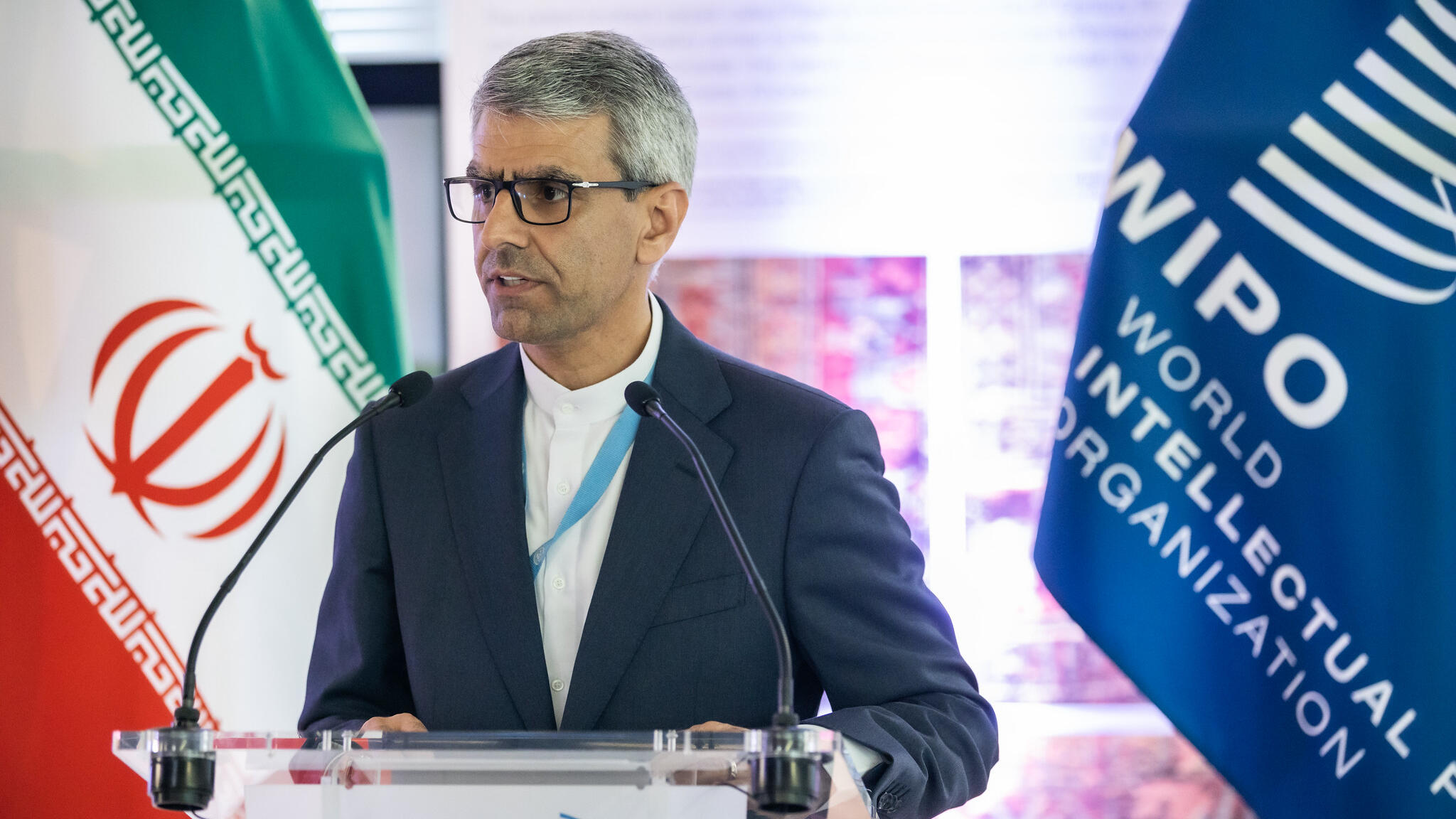
"No meeting at any level with the American side has been scheduled for the coming days," Iranian Foreign Ministry spokesperson Esmaeil Baghaei was quoted as saying in this Reuters article.
Lower-level technical discussions between the two countries are still expected to proceed.
Iranian officials also stressed that the terms of the ceasefire must first be resolved before broader negotiations, including potential restrictions on Iran's nuclear program, can begin.

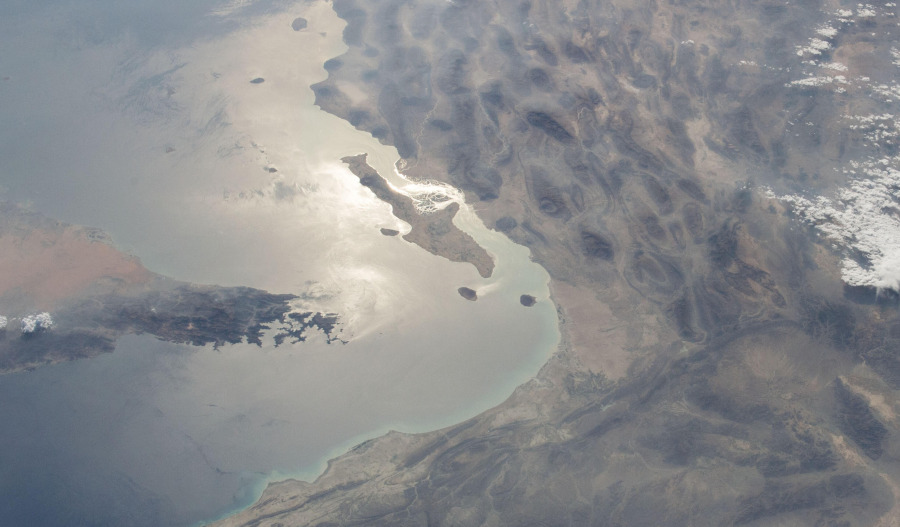
The Strait of Hormuz remains a central issue in negotiations. Shipping has partially resumed through the strategic waterway, which handled around one-fifth of global oil and liquefied natural gas supplies before the conflict began on 28 February.
Iran has maintained that it retains the right to jointly manage shipping traffic with neighbouring Oman, which borders the opposite side of the strait.
Officials said tolls would be introduced in mid-August, when the current 60-day negotiating period concludes.
"The sovereignty of the Strait of Hormuz lies with Iran and Oman, and traffic in the Strait is subject to arrangements determined by Iran," Iran's chief negotiator, Mohammed Baqer Qalibaf, reportedly said on state television.
Despite ongoing diplomatic uncertainty, oil prices have eased since the weekend after the United States struck Iranian military facilities in response to drone attacks on commercial vessels, while Iran launched attacks against U.S. military sites in Kuwait and Bahrain.
The United Nations trade and development agency warned on Tuesday that although energy markets have stabilised, vulnerable economies could continue to face higher food and fuel costs as the effects of the conflict filter through the global economy.
The interim agreement between the United States and Iran also includes provisions aimed at ending hostilities between Israel and the Iran-backed Hezbollah movement in Lebanon.
However, hopes for a broader regional settlement were tempered after Lebanon's parliament speaker, Nabih Berri, a Hezbollah ally, expressed doubts about a separate U.S.-brokered framework agreement between Lebanon and Israel designed to halt fighting on that front.