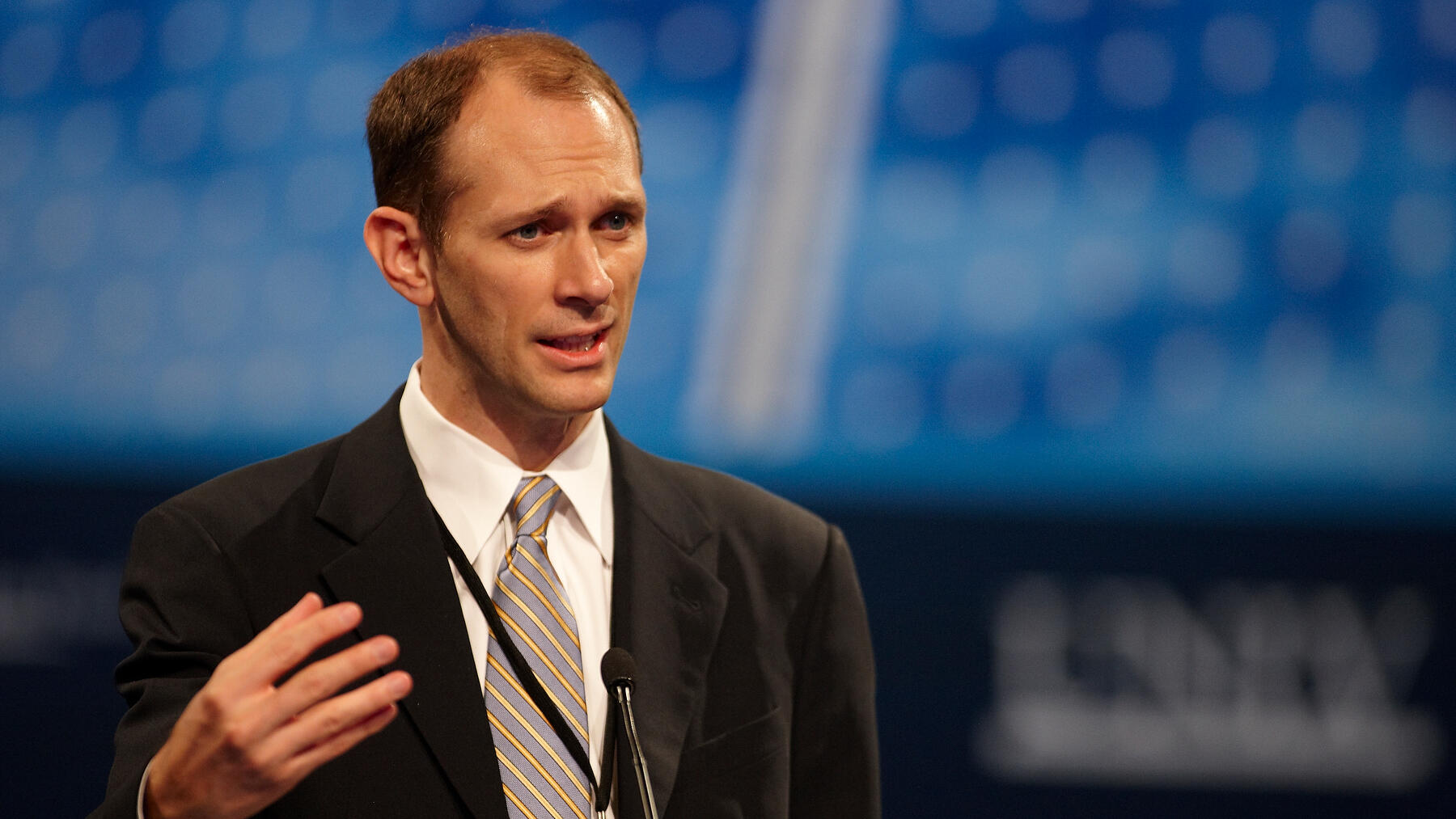
Inflation is now a larger issue than unemployment for the United States economy, Chicago Federal Reserve President Austan Goolsbee said, with both interest rate cuts and hikes potentially on the table.
The Federal Reserve’s decisions will also depend on the U.S. war against Iran, said Goolsbee. Goolsbee is not a voting Federal Open Market Committee member this year, but will vote again in 2027.
“The most important thing is to figure out the through line of what is happening,” Goolsbee told CNBC. “What makes this a fraught but intense moment is nobody can tell us what is going to happen on the ground in the conflict in the Middle East, and how long that lasts.”
A rate increase could be a possibility later in the year, Goolsbee said, in response to soaring oil prices or if inflation rises. This would be the U.S.’ first rate hike since July 2023.

“We could be back to the environment with multiple rate cuts for the year, if inflation behaves. I could see circumstances where we would need to raise rates if it was going a different way and inflation was getting out of control.”
The Federal Reserve held rates steady at its last meeting in March. Traders expect a 92.8% chance that rates will also remain unchanged in April, per CME FedWatch.
The U.S. unemployment rate increased 0.1 percentage points to 4.4% in February. The U.S. economy also unexpectedly lost 92,000 jobs that month.
The consumer price index grew by 0.3% in February, rising from 0.2% growth in January. The personal consumption expenditures price index, the Fed’s favoured inflation gauge, was up at an unchanged rate of 0.4% last month.
These inflation increases were also largely measured before the Iran war began on 28 February. U.S. gas prices have reached their highest level in almost three years amid Iran’s closure of the Strait of Hormuz, where around 20% of global oil flows would usually transit.