
Gold prices extended losses during Wednesday's Asian session, slipping below the US$4,500 level as persistent geopolitical tensions in the Middle East fuelled inflation concerns and strengthened expectations that United States interest rates could remain higher for longer.
By 3:50 pm AEST (5:50 am GMT), spot gold was trading 0.5% lower at $4,466.04 per ounce.
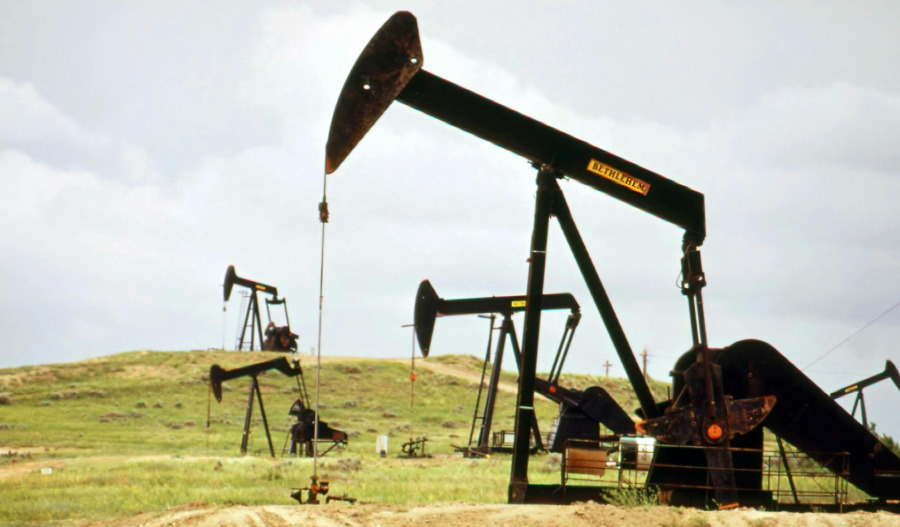
The decline came as oil prices advanced for a third consecutive session amid renewed military exchanges between the United States and Iran, raising concerns about the inflationary impact of higher energy costs.
The US military's Central Command said its forces carried out what it described as "self-defence" strikes on Iran's Qeshm Island after Iran launched missiles and drones targeting U.S. military facilities in Kuwait and Bahrain. Most of the projectiles were intercepted by U.S. and Gulf air defence systems.
The renewed conflict helped drive crude oil prices higher, reinforcing concerns that elevated energy costs could complicate the Federal Reserve's efforts to bring inflation back to target.
At the same time, geopolitical uncertainty supported the U.S. dollar, with the U.S. dollar index (DXY) maintaining gains made earlier in the week.

A stronger greenback typically weighs on gold by making the precious metal more expensive for holders of other currencies.
Investors also continued to monitor rising tensions between Israel and Hezbollah, while the lack of progress in negotiations between Washington and Tehran added to concerns that the conflict could broaden further.
Diplomatic efforts remain deadlocked amid disputes over Iran's nuclear program and the future of the Strait of Hormuz, one of the world's most important energy shipping routes.
Meanwhile, Cleveland Federal Reserve President Beth Hammack reiterated on Tuesday that the central bank remains focused on returning inflation to its 2% target and warned that policymakers may need to act if inflation pressures fail to ease.
Her comments reinforced expectations that the Federal Reserve could maintain a restrictive policy stance for longer than previously anticipated.
Market pricing has increasingly shifted towards the possibility of further tightening, with the CME Group FedWatch Tool indicating a more than 41.4% probability that the Fed will raise interest rates by 25 basis points (bps) at its December meeting, and a 13.4% chance of a 50bp hike.
Higher interest rates tend to reduce the appeal of non-yielding assets such as gold by increasing the opportunity cost of holding the metal.