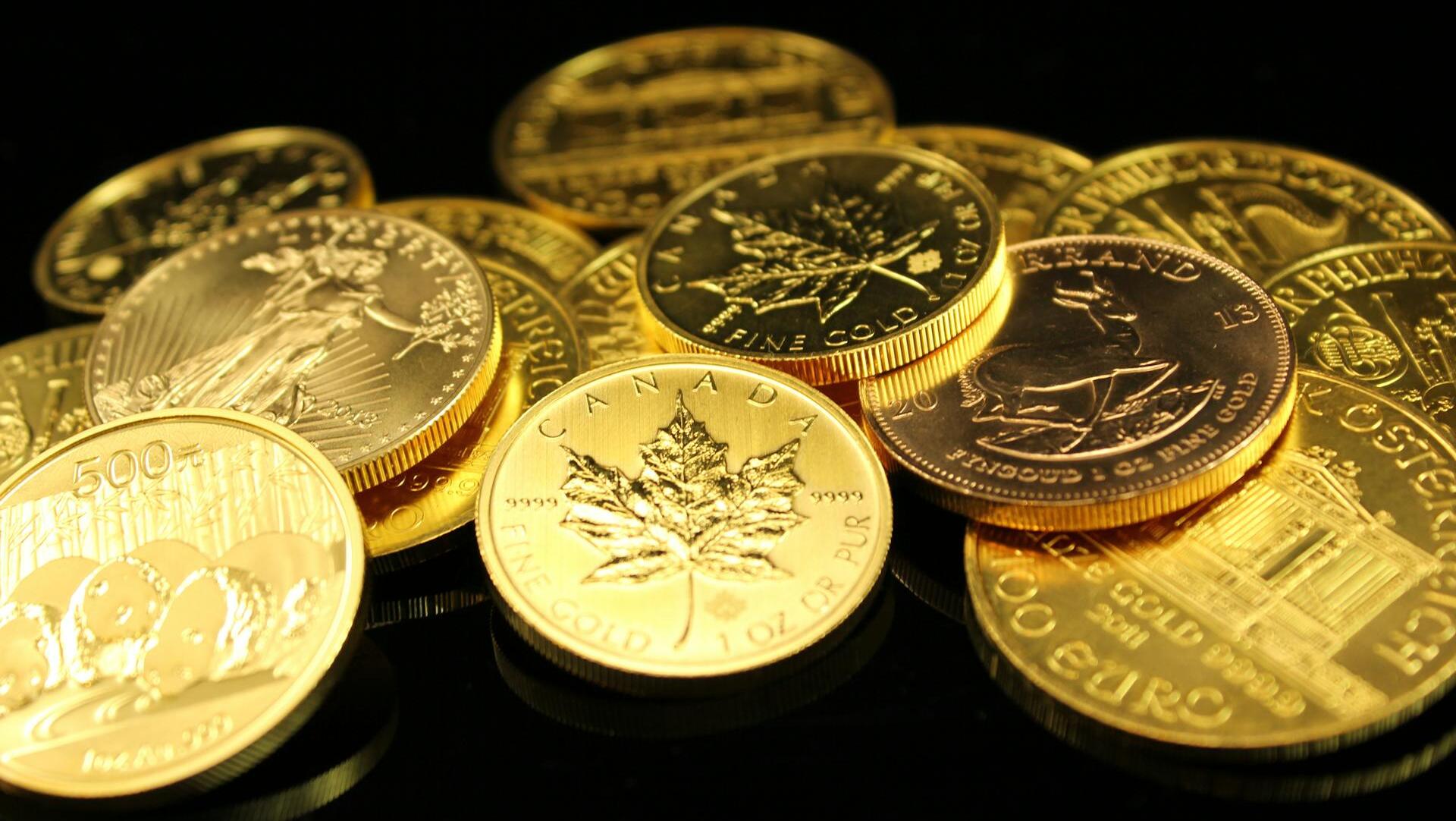
Gold continued its downward trajectory during Asian trade on Wednesday, declining for the second consecutive day after touching reocrd high valuations in the previous session.
By 3:55 pm AEDT (4:55 am GMT) spot gold was trading $11.68 or 0.4% lower at US$2,886.02 per ounce.
The U.S. dollar saw a slight uptick overnight following hawkish remarks from Federal Reserve (Fed) Chair Jerome Powell on Tuesday, which led to some pressure on the commodity.
Despite this, concerns surrounding the potential economic impact of trade tariffs imposed by U.S. President Donald Trump, along with ongoing fears of a global trade war, are expected to cap any further downside for the precious metal.

Powell's comments, along with Friday’s positive U.S. employment data, reinforced expectations that inflationary pressures could allow the Fed to maintain its hawkish position for longer.
This has kept the U.S. dollar in demand, putting additional pressure on gold. However, with trade war fears rising following Trump’s aggressive tariff policies, gold is expected to maintain some support due to its safe-haven appeal.
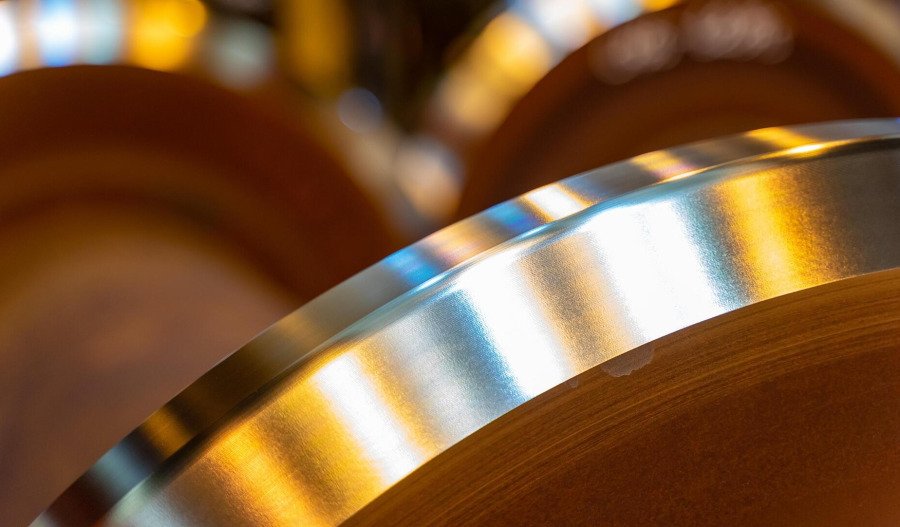
U.S. President Trump recently signed executive orders imposing a 25% tariff on steel and aluminium imports and hinted at the possibility of further tariffs on automobiles, pharmaceuticals, and computer chips.
These actions have intensified global trade concerns, benefiting gold as investors seek safe-haven assets. As tensions mount, the precious metal is likely to find some support, even as its price struggles to break past the $2,900 level.
Looking ahead, the market awaits key U.S. inflation data, with the Consumer Price Index (CPI) expected to rise by 2.9% year-on-year (YoY) in January. The core CPI, excluding volatile food and energy prices, is anticipated to show a YoY increase of 3.1%, slightly down from the 3.2% recorded in December.