Gold prices advanced during Tuesday's Asian trading session, reclaiming the US$4,500-an-ounce level as investors assessed developments in the Middle East and ongoing uncertainty surrounding negotiations between the United States and Iran.
By 3:40 pm AEST (5:40 am GMT), spot gold was trading 0.9% higher at $4,523.70 per ounce.
The precious metal found support after a partial ceasefire agreement emerged between Israel and Hezbollah, while uncertainty surrounding broader regional tensions continued to underpin demand for safe-haven assets.
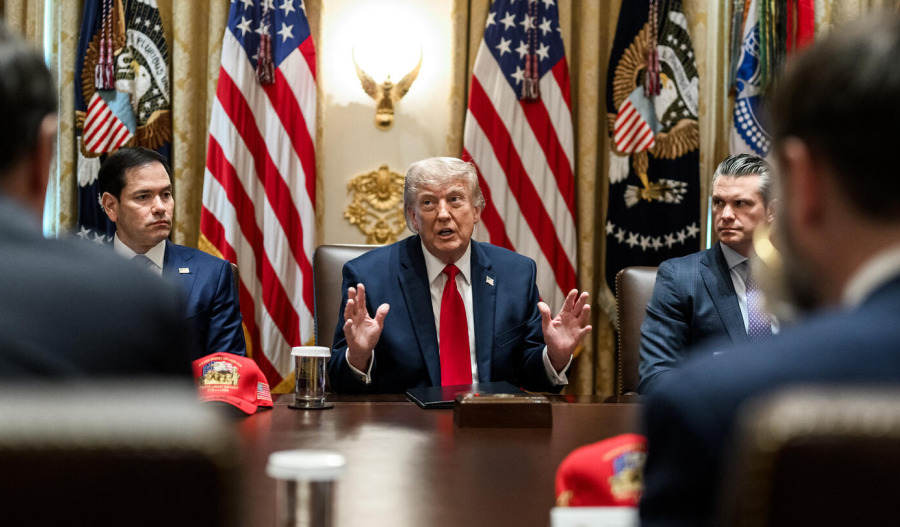
U.S. President Donald Trump said in a post on Truth Social on Monday night (Tuesday AEST) that Israel had agreed to pull back troops that were preparing to attack Beirut and Hezbollah-controlled suburbs.
Trump also said he had communicated with the Iran-backed Lebanese militant group through intermediaries and secured assurances that Hezbollah would not launch attacks on Israel.
The developments contributed to a modest easing in geopolitical tensions, although investors remained cautious given the lack of a comprehensive resolution to conflicts across the region.
Market participants are also closely monitoring negotiations between Washington and Tehran aimed at ending the now four-month-old conflict involving Iran.

Trump maintained that talks with Iran were continuing and said he expected an agreement to extend the ceasefire and reopen the Strait of Hormuz within the next week.
Despite the optimistic rhetoric, investors have largely adopted a wait-and-see approach as they seek further confirmation that progress is being made towards a lasting agreement.
The combination of geopolitical uncertainty and concerns about global inflation has continued to support demand for gold, traditionally viewed as a store of value during periods of market stress.
However, gains in bullion may be constrained by expectations that elevated energy prices could encourage major central banks, including the U.S. Federal Reserve, to maintain a hawkish policy stance.
According to the CME Group FedWatch Tool, markets are currently pricing in a 38% probability of a 25 basis point (bps) interest rate increase by December, while the likelihood of a 50bp increase stands at 10.2%.
Those expectations have helped support the U.S. dollar, limiting some of gold's upside momentum despite ongoing geopolitical risks.
Investors are now turning their attention to a series of key U.S. economic releases scheduled this week.
The Job Openings and Labor Turnover Survey (JOLTS) will provide further insight into labour market conditions, while Friday's closely watched Nonfarm Payrolls report (Saturday AEST) is expected to play a significant role in shaping expectations for Federal Reserve policy.