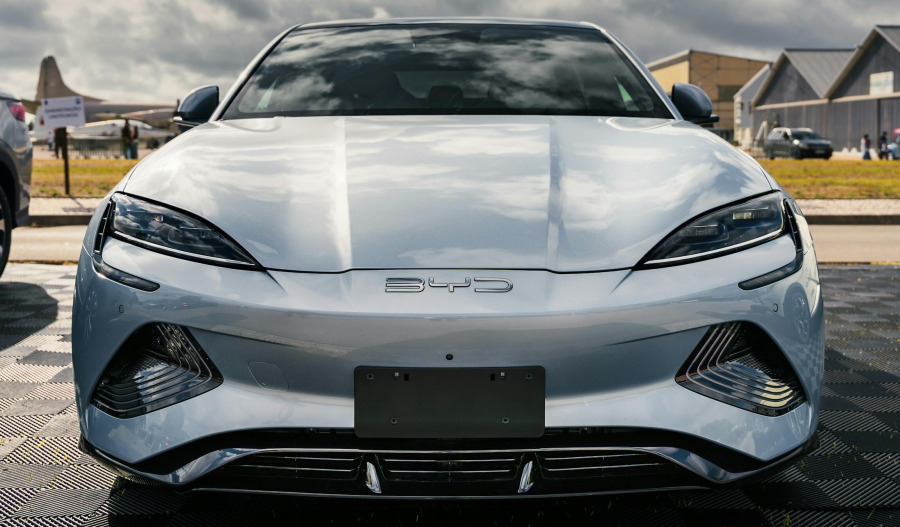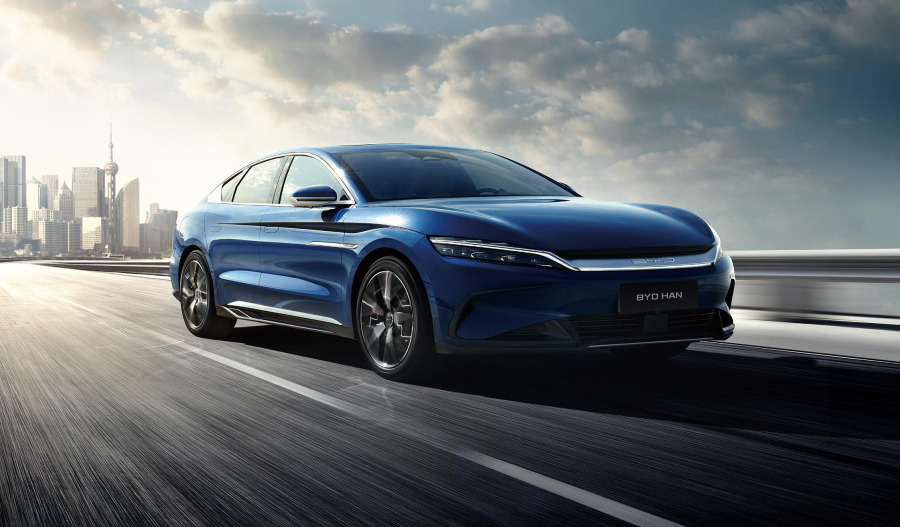
After betting big on electric vehicles, Ford is recalibrating and this shift may bring it closer to China’s dominant battery powerhouse BYD.

The two giant automakers are in talks over a potential deal that would supply batteries for some of Ford’s hybrid models, people familiar with the discussions told the Wall Street Journal.
Nothing is finalised but the conversations signal how quickly the global auto strategy is changing as EV demand unwinds.
At a basic level, Ford and BYD are exploring how a battery partnership might work.
One option on the table is reportedly for Ford to source batteries from BYD for vehicles built and sold outside the United States.
Importing China-made batteries directly into the U.S. remains largely impractical due to steep tariffs, making overseas production the most likely path if a deal comes together.
While both sides are keeping details close, Ford has acknowledged the discussions only broadly, saying it regularly talks with many companies.
Meanwhile, BYD has declined to comment and the sources stressed the talks could still fall apart.
However, the timing is no accident, with Ford pulling back from its most ambitious EV plans after demand failed to meet expectations.
Late last year, the company announced nearly US$20 billion in charges tied to scrapped or delayed electric programs, including shelving several models and winding down production of the all-electric F-150 Lightning.
In their place, Ford is leaning harder into hybrids and extended-range electric vehicles — models that still rely heavily on batteries but don’t require full charging infrastructure.
To scale those vehicles quickly and affordably, Ford needs reliable, cost-effective battery supply and BYD, one of the world’s largest battery manufacturers.
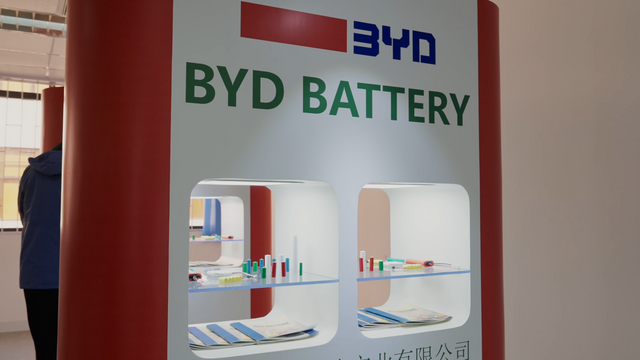
While BYD is widely known as China’s top automaker, its battery business is just as influential.
The company produces lithium-iron phosphate batteries that are cheaper, durable, and increasingly popular with global brands.
BYD already supplies batteries to several major automakers for vehicles sold in Europe and China, and it trails only CATL in global battery deployments.
This expertise gives BYD an edge at a time when Western automakers are under pressure to cut costs while keeping pace with Chinese technology.
However, not everyone sees the talks as a smart move.
Peter Navarro, a former White House trade adviser, publicly criticised the idea, warning that deeper reliance on Chinese suppliers could expose Ford to supply-chain risks.
He pointed to past disputes over rare earth materials and accused BYD of aggressive pricing tactics aimed at global dominance.
The criticism highlights a growing tension: automakers want affordable technology while policymakers worry about strategic dependence on China.
If a deal goes through, it is likely to apply to hybrids or plug-in hybrids built overseas, potentially in Europe or other international markets where Ford has manufacturing hubs.
Ford has partnered with Chinese companies before and is licensing battery technology from CATL for a U.S. plant in Michigan, suggesting it is willing to balance political risk against commercial reality.
For now, the talks remain just that. However, they underscore a broader shift across the auto industry: the EV gold rush has cooled, hybrids are back in favour and China’s battery giants are becoming impossible to ignore.
As Navarro put it: “So Ford wants to simultaneously prop up a Chinese competitor’s supply chain and make it more vulnerable to that same supply chain extortion? What could go wrong here?”