Ford Motor Company has announced a sweeping retreat from its aggressive electric vehicle (EV) ambitions, revealing a massive US$19.5 billion charge and a change in focus toward hybrid technology and "affordable" small EVs.
The pivot marks one of the most significant capitulations by a legacy automaker in the transition to electrification and a stark contrast to the company's bold proclamations from just three years ago.
From "all-in" to pulling back
In July 2022, the Detroit giant confidently declared it was on track to produce two million EVs annually by late 2026. Back then, management outlined a $50 billion investment plan, promising that its dedicated EV division, Model e, would achieve 8% profit margins within four years.
Those ambitious targets have now collided with the hard reality of stalling demand and eroding profit margins.
In a decisive move to stem those losses, the company confirmed it will no longer produce select larger EVs, saying the business case has eroded due to lower-than-expected demand, high costs and regulatory changes.
By 2030, the manufacturer now expects 50% of its global volume to be hybrids and EVs - a target that leans heavily on the hybrid side.
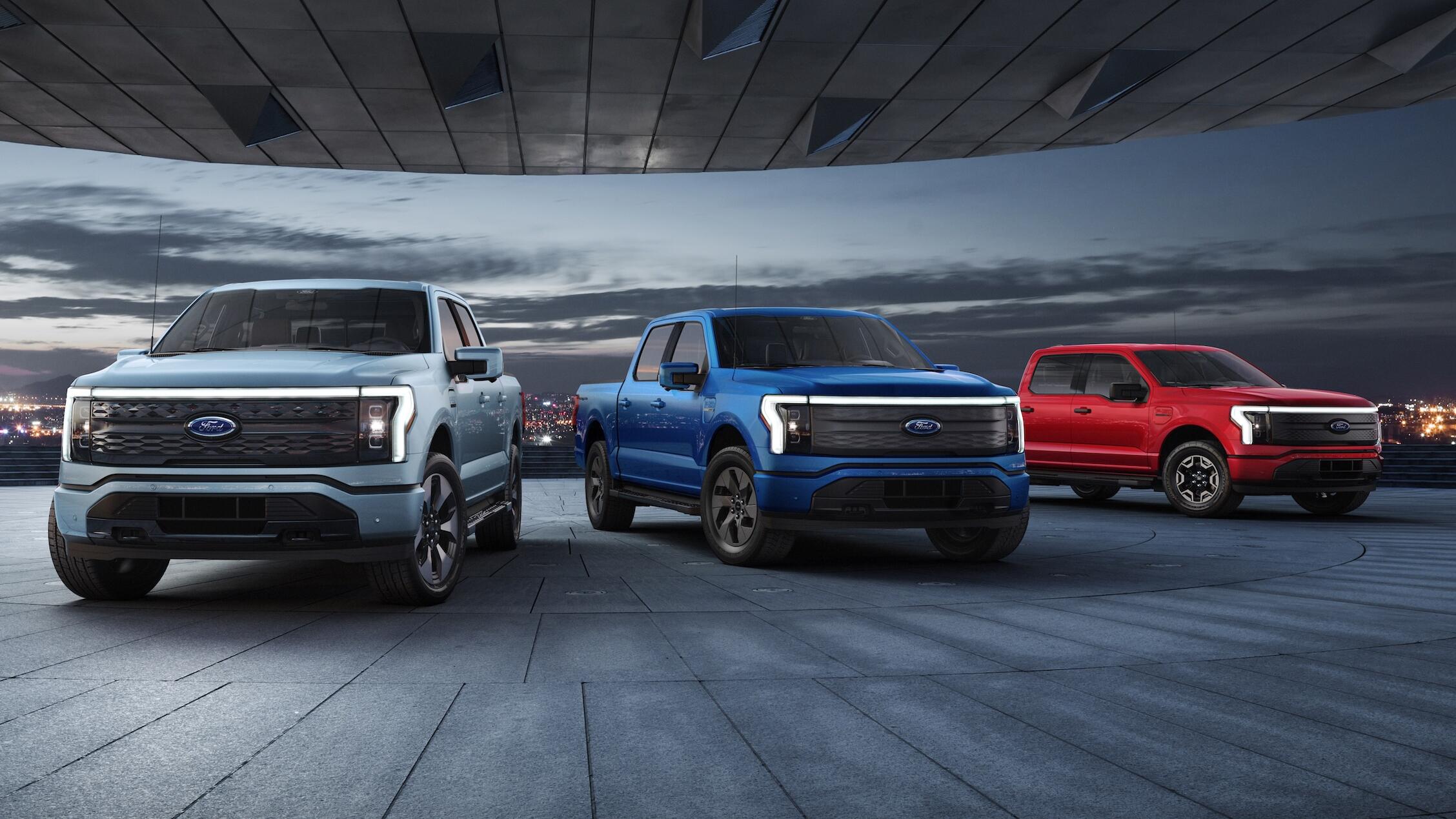
The carmaker plans to introduce extended-range electric options - essentially hybrids with large batteries - including for the next-generation F-150 Lightning.
This "EREV" Lightning promises a 700+ mile range, addressing one of the primary consumer barriers to adoption: range anxiety.
"This is a customer-driven shift to create a stronger, more resilient and more profitable Ford," CEO Jim Farley said.
“The operating reality has changed, and we are redeploying capital into higher-return growth opportunities.”

BlueOval City gets a gas makeover
Perhaps the most symbolic casualty of this shift is the flagship BlueOval City project in Tennessee.
Originally touted as the largest, most advanced auto production complex in the company's history - built specifically to churn out the next generation of electric F-Series trucks - the site has been renamed the "Tennessee Truck Plant".
Instead of the futuristic EVs promised in 2021, the facility will now produce gas-powered trucks starting in 2029. Similarly, its Ohio Assembly Plant will focus on gas and hybrid commercial vans rather than pure electric models.
Seeking to offset volatility, the group is also launching a battery energy storage business, repurposing plants in Kentucky and Michigan to build LFP battery systems for data centres.
This diversification, Ford says, aims to leverage existing battery capacity that would otherwise sit idle due to slower vehicle demand.