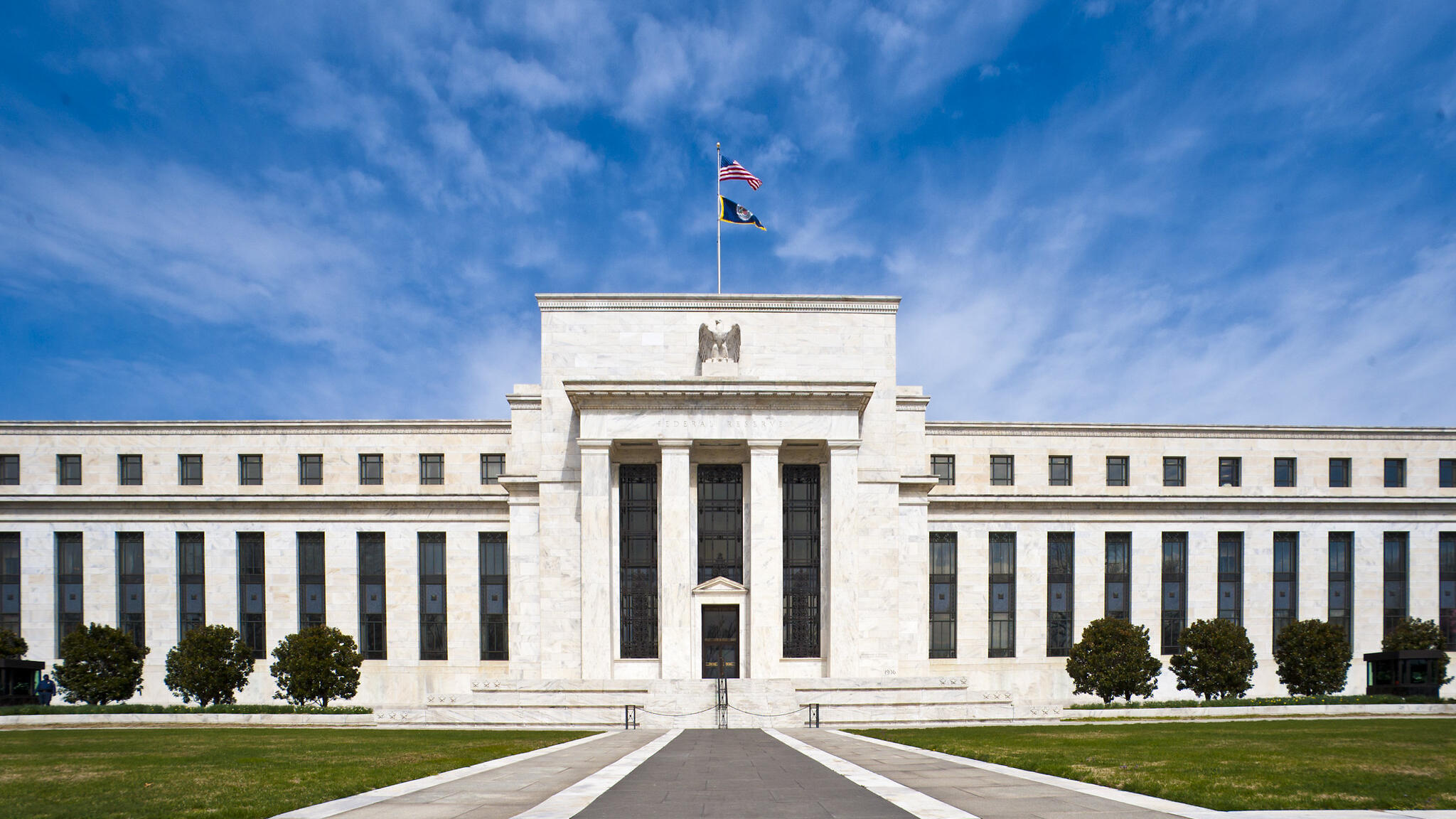
Federal Reserve officials indicated at their July meeting that interest rates may need to rise if inflation fails to cool further, according to minutes released on Wednesday.
“Many participants assessed that policy tightening would likely be necessary if inflation did not decline,” the minutes said.
“Some participants commented that financial conditions might not currently be sufficiently restrictive to facilitate a return of inflation to 2 percent.”
The Federal Open Market Committee voted 9-3 to keep interest rates steady in a target range of 3.5%-3.75%, where it has remained throughout the year.
The three dissenting officials favoured a 25-basis-point rate increase.
The minutes said the dissenters “judged that doing so would likely help forestall the need for a steeper and potentially more costly sequence of tightening moves at a later stage”.
The three dissenting votes came from regional Fed presidents Beth Hammack of Cleveland, Lorie Logan of Dallas and Neel Kashkari of Minneapolis.
Since the July meeting, inflation data have generally shown modest monthly price increases, although key measures remain above the Fed's 2% target.

The personal consumption expenditures price index, the central bank's preferred inflation gauge, fell 0.1% in June but remained 3.7% higher than a year earlier.
The labour market has also weakened. Nonfarm payrolls fell by 23,000 in July, although the unemployment rate declined to 4.1%, largely due to a shrinking labour force.
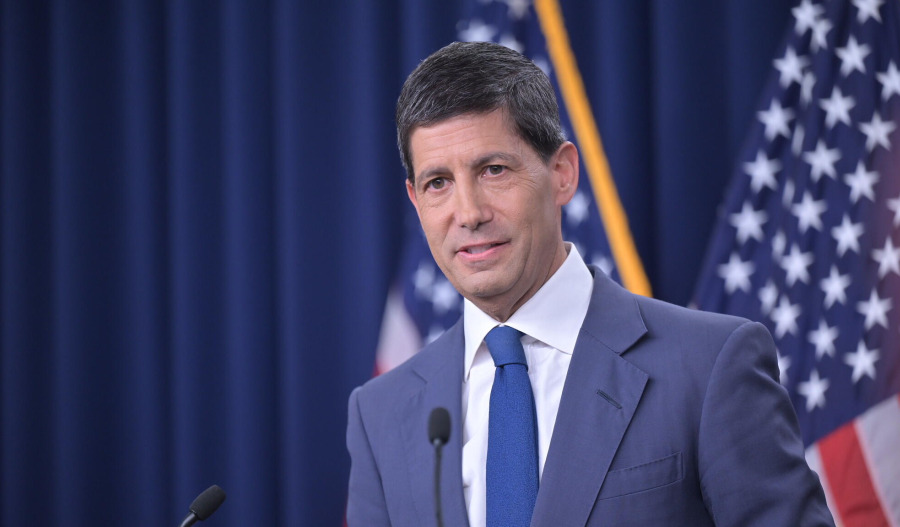
Fed Chair Kevin Warsh has signalled a patient approach to monetary policy. Markets interpreted his comments at the post-meeting news conference as dovish on inflation, contributing to a sharp rise in Treasury yields.
Longer-dated Treasury yields have continued to climb, although they fell sharply on Wednesday after the U.S. Treasury announced plans to increase purchases of longer-term government debt.
Following the latest inflation data, markets have shifted towards expectations that the Fed will keep rates unchanged until December before resuming rate increases. Traders had previously expected a September hike.
The minutes also revealed that officials discussed reducing the number of FOMC meetings held each year.
Warsh “observed” that cutting the current schedule from eight meetings a year to six, “held roughly every two months”, could be beneficial.
Such a move “would allow more information to accumulate between meetings than under current practice and provide policymakers and the staff more time to consider strategic monetary policy issues,” the minutes said.
“The Chairman asked for input from the Committee on these issues, but no decisions regarding possible changes in the meeting schedule were made, and the Chairman indicated that any change in practice would not affect the schedule over the balance of 2026,” the document said.