More than 80 global executives travelled to Beijing for the annual China Development Forum as corporate giants attempt to navigate United States-China tensions.
This year’s meeting comes as executives attempt to recapture the Chinese consumer after years of uncertainty from the Covid-19 pandemic, slower growth and U.S. trade tensions.
Beijing has said it is committed to becoming a "cornerstone of certainty” and a “harbour of stability”.
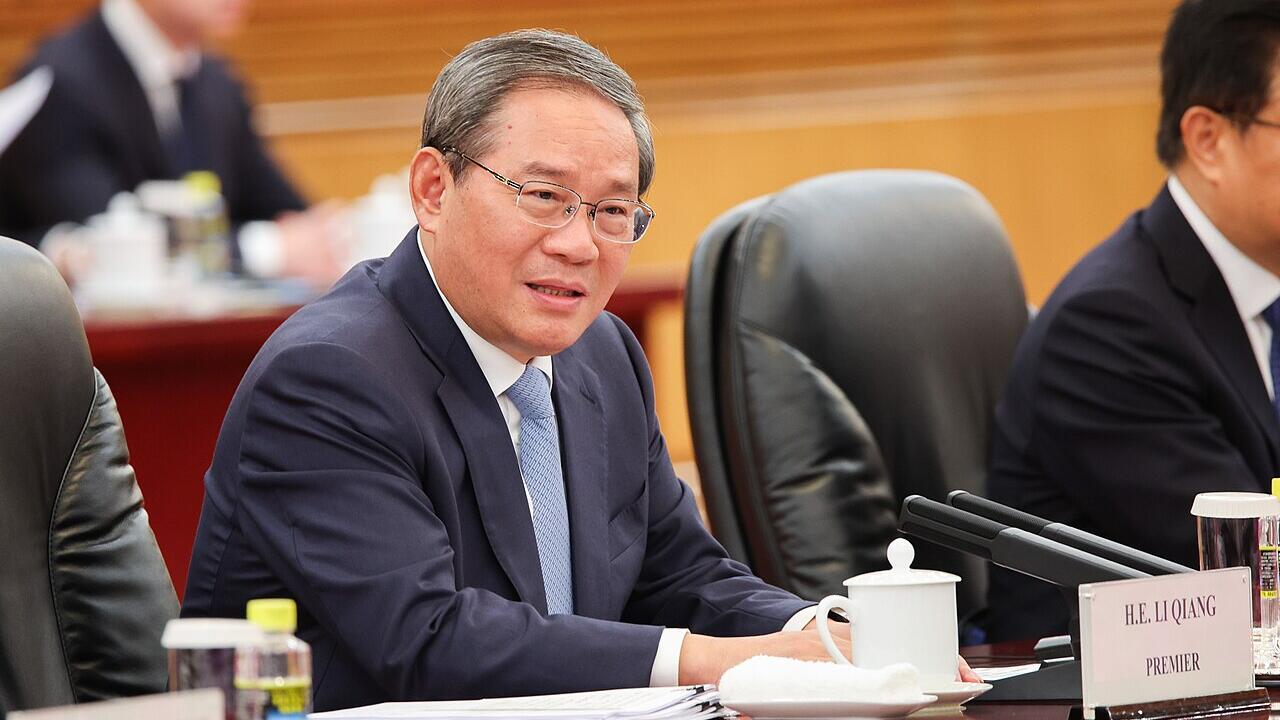
“China will unswervingly promote high-level opening up to the outside, import more high-quality foreign goods and work with all parties to promote the optimised and balanced development of trade, jointly expanding the global economic and trade pie,” Chinese Premier Li Qiang said.
Beijing also touted its five-year economic plan to 2030 as an opportunity for foreign investment.
The five-year plan largely doubles down on China’s manufacturing-oriented high-tech industrial policy, raising fears of an even greater shock to Western factories.
The meeting came amid increasing concerns over China’s massive trade surplus, which hit a record US$1.2 trillion.
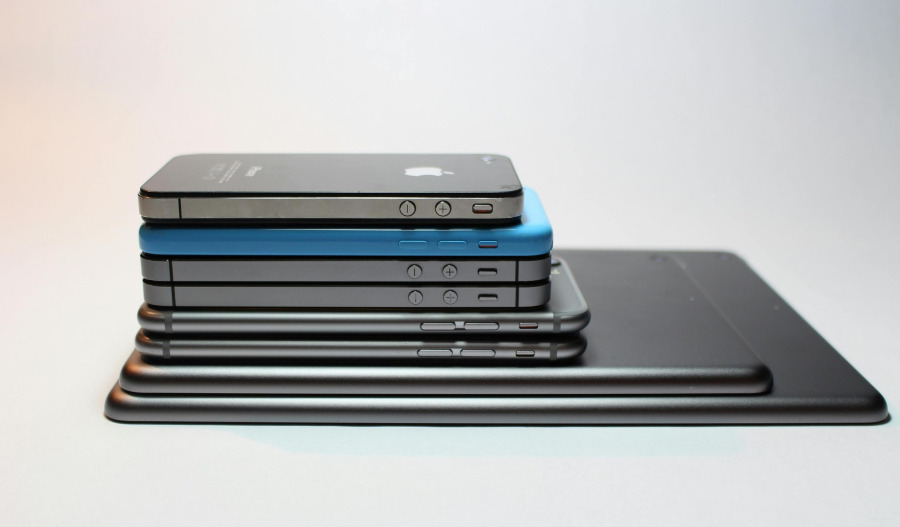
It also comes fresh off a recovery in Apple iPhone sales in China.
Apple CEO Tim Cook praised the extraordinary pace of technological progress in the country, such as factory automation.

“We are proud to be part of that progress, and we’re committed to working alongside our supplier partners to push it even further,” he said.
Cook also said that more than 90% of Apple’s production in China is powered by clean energy.
Apple still manufactures most of its iPhones in China, which accounted for nearly 18% of Apple’s revenue in the December quarter.
Thanks to the iPhone 17 release, Apple smartphone sales in the first nine weeks of the year were up 23% year-on-year, bucking a 4% decline in China’s overall smartphone market, according to Counterpoint Research.
There were more than 30 executives visiting from the U.S.
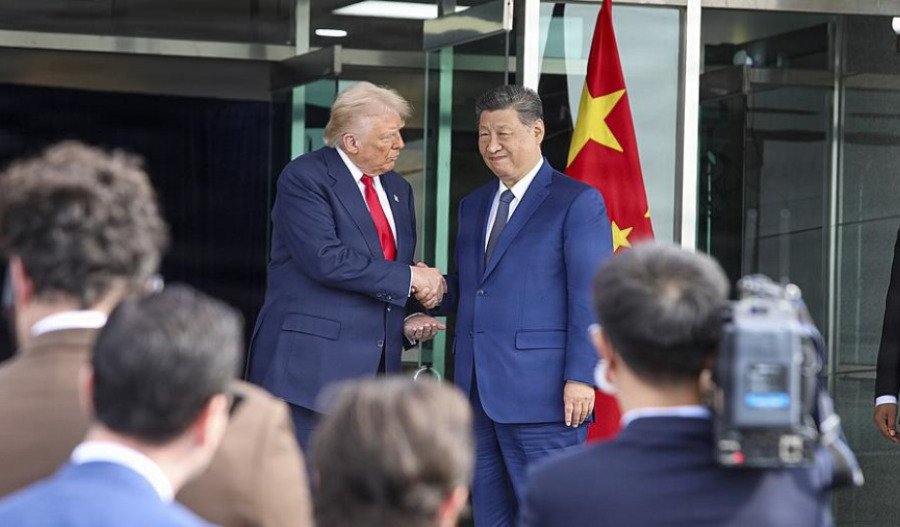
This comes as the U.S. and China reached a trade truce in October that lowered the effective tariff rate to less than 50% for a year. It remains unclear whether the countries will maintain the truce.
U.S. President Donald Trump was scheduled to visit Beijing later this month for trade talks, but this was delayed by at least a few weeks due to the Iran war.
While Trump is pushing for more domestic investment, many U.S. companies have pushed ahead with plans to invest in China.
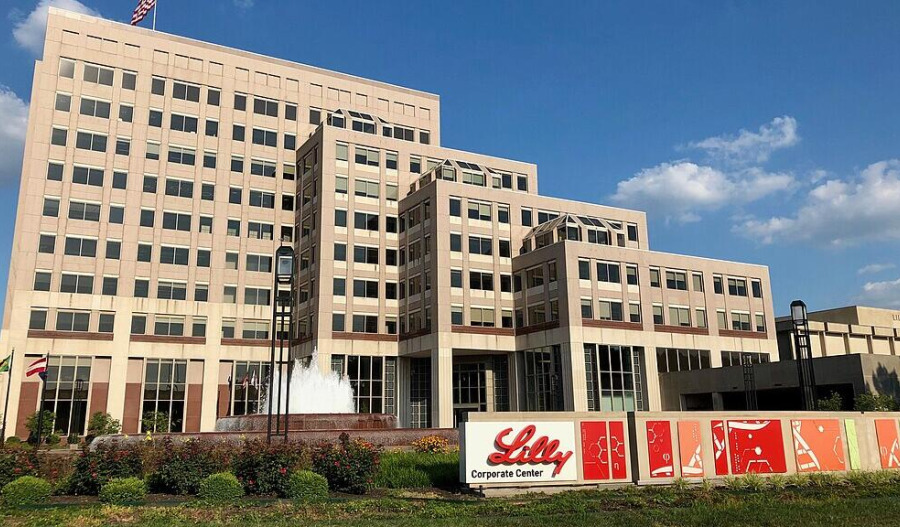
Pharmaceutical giant Eli Lilly announced in March plans to invest $3 billion in China over the next decade. The company reported that just under 3% of its revenue came from China last year.
Li also said China plans to make it easier for foreign businesses to access the country’s services sector and added that the country would also buy more healthcare and digital technology products from abroad.