The European Central Bank has announced plans to expand and permanently establish its euro liquidity backstop, opening access to central banks worldwide in a move designed to strengthen the single currency’s global standing.
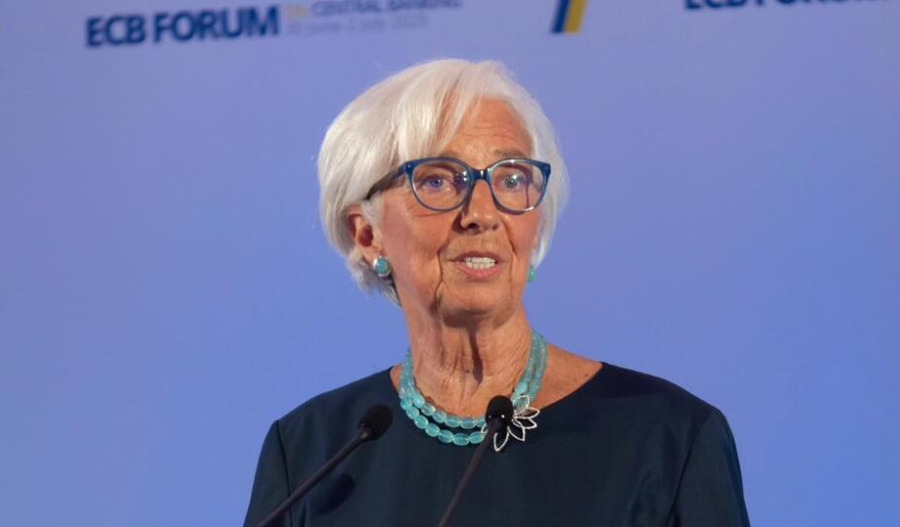
Speaking at the Munich Security Conference, ECB President Christine Lagarde said the central bank must adapt to a more uncertain global environment. It marked the first time an ECB chief has addressed the high-profile forum.
“The ECB needs to be prepared for a more volatile environment,” Lagarde said.
“We must avoid a situation where that stress triggers fire sales of euro-denominated securities in global funding markets, which could hamper the transmission of our monetary policy,” she said in announcing the new facility.
Under the revised framework, the ECB’s repo lines, previously limited to a small number of mostly Eastern European countries, will become globally available and permanent from the third quarter of 2026.
Access will be open to all central banks, unless excluded for reputational reasons such as money laundering, terrorist financing or breaches of international sanctions.
The facility will provide standing access of up to €50 billion, replacing earlier arrangements that required periodic extensions.

Repo lines serve as a key funding backstop during episodes of market stress, allowing banks to borrow euros from the ECB against high-quality collateral, with repayment due at maturity plus interest.
“This facility also reinforces the role of the euro,” Lagarde said. “The availability of a lender of last resort for central banks worldwide boosts confidence to invest, borrow and trade in euros, knowing that access will be there during market disruptions.”
The initiative comes at a time when investors are reassessing the global dominance of the U.S. dollar, amid concerns about the unpredictability of economic policy under U.S. President Donald Trump.
Lagarde has previously argued that this environment presents an opportunity for the euro to capture greater market share, provided Europe strengthens its financial and economic architecture.
The ECB’s move mirrors a similar mechanism operated by the Federal Reserve, known as the FIMA Repo Facility. That tool is designed to support the U.S. Treasury market by allowing foreign and international monetary authorities to access dollar liquidity, thereby reducing the risk of forced sales of government bonds during periods of stress.
In a statement, the ECB said: “These changes aim to make the facility more flexible, broader in terms of its geographical reach and more relevant for global holders of euro securities.”
By guaranteeing access to euro liquidity, policymakers hope to increase confidence in euro-denominated assets and encourage greater participation from banks and central banks outside the 21-member euro area.
Over time, such measures could lift demand for euro securities, supporting the currency’s role in global trade, borrowing and reserve management.