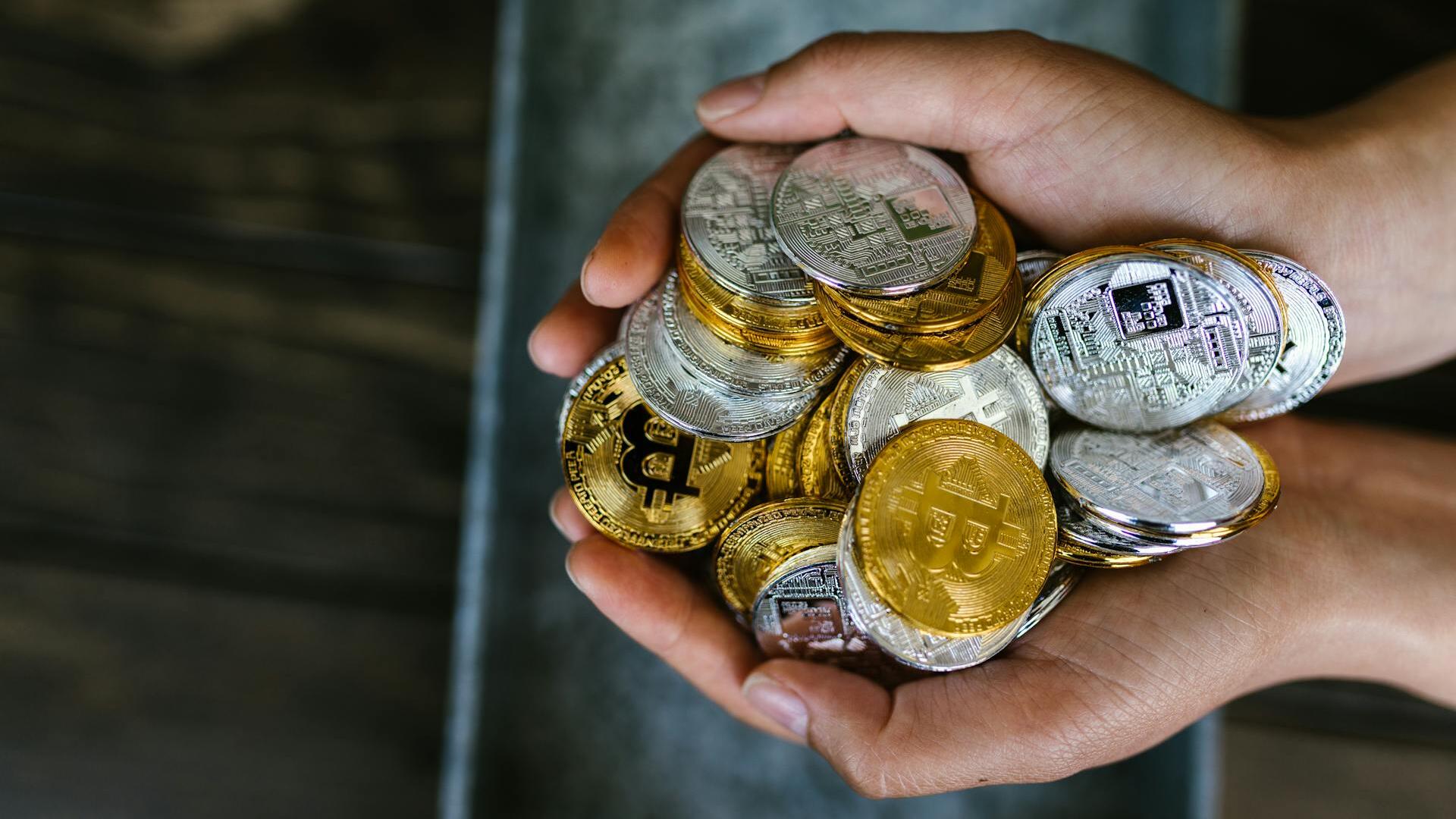
Crypto's faithful sell as the AI machine drinks liquidity
Diamond hands, it turns out, have a melting point. Bitcoin's most patient holders are cashing out into the cycle's deepest drawdown, and the marginal risk dollar is being soaked up by an AI capex spree it cannot outbid. The investors who pride themselves on never selling - the long-term holders who sat tight through every wobble since the new year - have spent the past few sessions sidling towards the exit. Wallets that had not budged from February through April offloaded roughly US$2.4 billion of bitcoin in two days, a wave that Compass Point reckons amounted to about a quarter of everything moved across the network over the prior month. The price did what prices do, slipping beneath $70,000 for the first time since early April and touching an intraday low near $65,710 on 3 June, which left bitcoin more than 45% below the peak it set last October. Michael Saylor's Strategy (NASDAQ: MSTR) chipped in for good measure, parting with 32 coins to cover a preferred dividend in its first sale since 2022, and the tape read it as a flare rather than a footnote. That is the version splashed across the crypto press, all top-buyer capitulation, a teetering treasury mascot and another lurch lower in a drawn-out bear market. I