Cities across the world bid for the prestige of hosting the Olympic Games but what are the economic impacts?
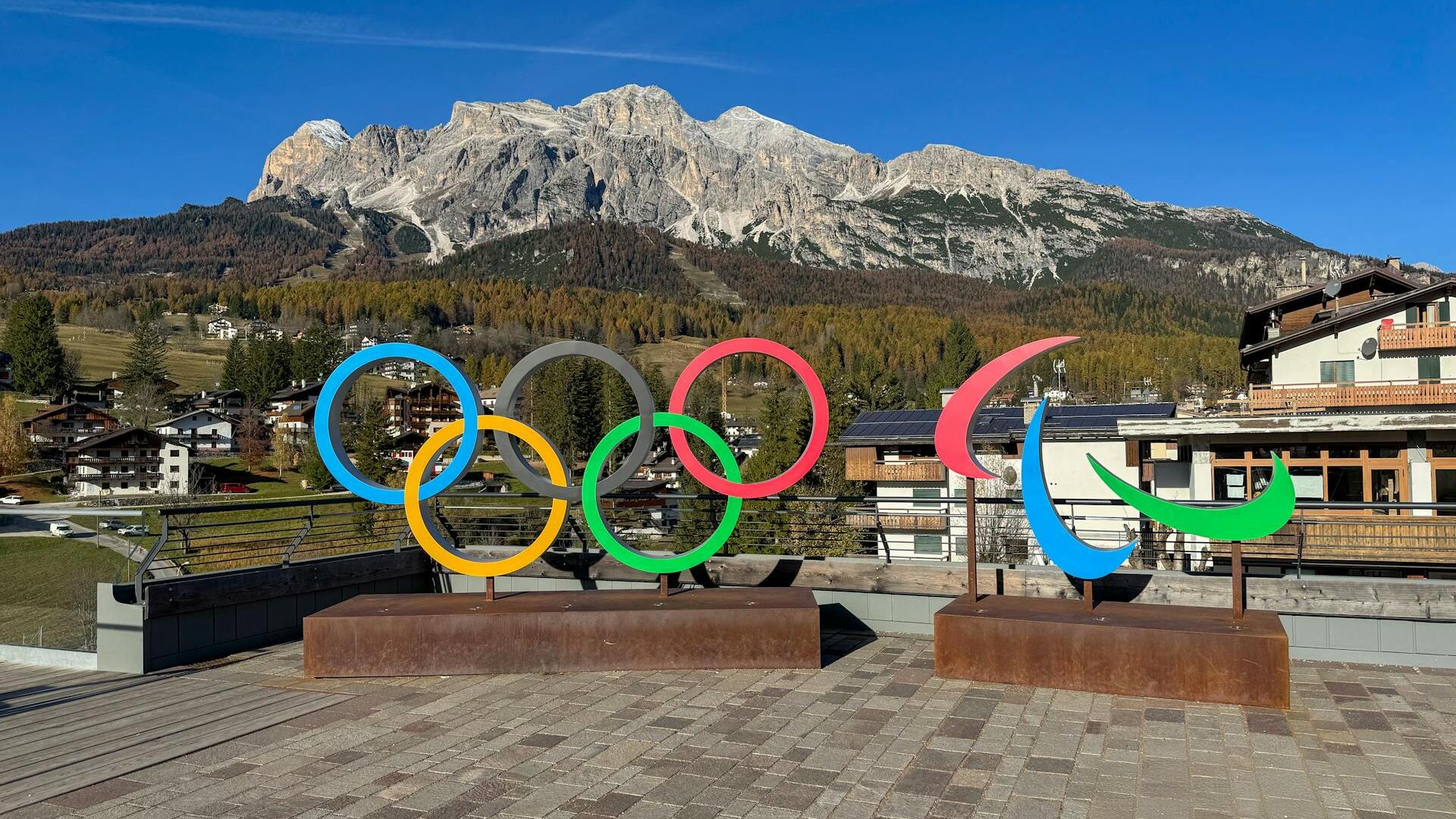
The Milano Cortina Winter Olympics Games will be held from 6 February to 22 February 2026, featuring classic events including alpine skiing, snowboarding, bobsleigh, and figure skating.
Cost of the games
For the 2026 Winter Olympic Games, Italy is set to host what is planned to be the most environmentally and economically conscious Olympics to date.
According to research from the University of Oxford, every Olympics since 1960 has run over budget by an average of 172% in real terms.
The 2014 Sochi Winter Olympics were exorbitant, costing an estimated $50 billion.
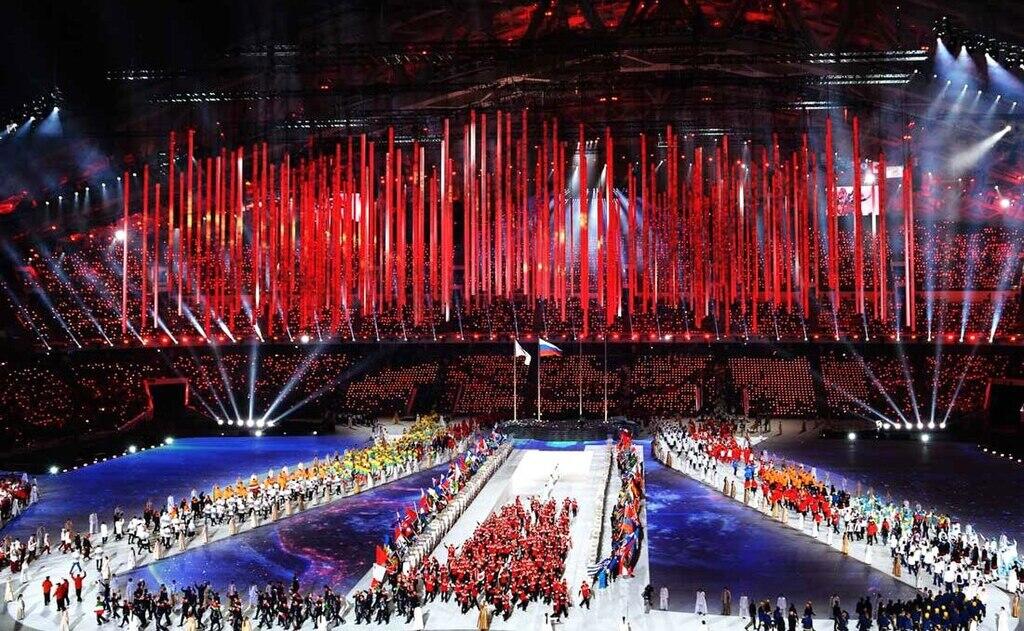
Following these Winter Olympics, costs have significantly decreased with the 2018 PyeongChang Winter Olympic Games coming in at US$3.4 billion and the 2022 Beijing Winter Olympic Games at US$8.7 billion.
Despite the drop in spending, the Beijing Games still managed to go 149% over budget.
Organisers of the Milano Cortina Games have a budget of around 1.7 billion euros (US$1.9 billion), a 100 million euro increase from the previous stated amount, according to ESPN sports.
This budget does not include the construction of the US$131 million sliding centre in Cortina d'Ampezzo and the new Santa Giulia ice hockey arena in Milan, which could cost nearly 300 million euros ($330 million), or infrastructure projects involving roads and railways.
The International Olympic Committee (IOC) will also contribute US$1 billion in funding for the games, and the Italian government will fund more than US$1 billion in infrastructure development to improve access to venues.

Economic benefits
Despite the high costs, the Olympic Games offer hosting cities economic benefits.
According to the Organising Committee for the Beijing 2022 Olympic and Paralympic Winter Games (BOCOG) the previous Winter Olympic Games reaped US$52 billion in profit.
The main revenue sources included the 3.78 billion yuan provided by the IOC, 11.3 billion yuan of market development revenue and 480 million yuan in other revenues.
According to a study by Italian bank Banca IFIS, the Winter Olympic Games are projected to bring €5.3 billion in economic benefits for Italy.
This would include an estimated €1.1 billion in spending from spectators, athletes, and staff at venues, €1.2 billion from future tourism, with visitors potentially choosing to stay longer or return to the country and €3 billion from the value of new and renovated infrastructure.
Senior Lecturer in sport, tourism, hospitality and events at La Trobe University, Paul Strickland, said on average people stayed three or four nights as a tourist before leaving.
He told Azzet holding the Olympics created a long-lasting tourism legacy for the city.
“They're certainly worthwhile having, and it will be at least 10 years of people visiting as tourists,” he said.
“We know statistically that after the Olympics people want to go and see and use the facilities.”
The economic benefits will be driven by the around 2.5 million visitors to the 2026 Milano Cortina Olympic Games.
Strickland said the economic value of the Games varied depending on the country’s existing infrastructure.
“Places that have never hosted before or didn't have the facilities, they always seem to go broke afterwards, or it's a heavy burden on them, simply because they're building everything from scratch,” he says.
“At the last winter Olympics in China, they broke even, but Milano is expected to turn a profit.”
He said the Paralympics also brought in similar economic benefits, as people were just as excited by the events.
“It's the same people watching the same event, and they're still enthralled about what's going on,” he said.
Broadcast and advertising
The Olympics also bring in big money for the broadcasting corporations that show the Games.
“A lot of the revenue comes from broadcasting because they are broadcasting to over 3 billion people around the world, and with that comes a huge amount of commitment,” Strickland said.
In Australia, Nine entered an agreement with the International Olympic Committee for exclusive rights for the 2024 to 2032 Olympic and Winter Olympic games for A$305 million with A$10 million in contra deals.
Following a significant boost in advertising spend for the 2024 Summer Olympics broadcast, Nine priced its partner packages at A$3.9 million and sponsor packages at A$2.9 million.
A consumer pulse survey found 83% of 18-39-year-olds were expected to tune into the Games across Nine’s ecosystem. It predicted 60% of Australians would watch Channel Nine and 42% 9Now.
In the U.S., NBCUniversal set a new Winter Olympic advertising sales record, selling its Olympic inventory a month before the Milan Cortina 2026 Winter Olympic Games.
NBCU’s previous Winter Olympics record was set at the 2018 PyeongChang Games ceremonies, which reportedly generated around US$1.15 billion in revenue.
In comparison, the company's record advertising sales for Summer Games was US$1.25 billion for Paris 2024.