Market sentiment was dominated by the United States' military intervention in Venezuela and escalating protests in Iran, both sending shockwaves through global energy and gold markets. Simultaneously, the aggressive move by Big Tech and the Trump administration into nuclear energy has driven uranium stocks to multi-month highs.
Several sectors had reached new peaks as the second week of January commenced while others faced structural supply adjustments.
Precious Metals
Gold (US$4,588/oz)
Bullion continues its historic ascent, underpinned by another dramatic escalation in geopolitical risk. Taking over the mantle from tariff uncertainties, the primary driver this past week was the U.S. raid and subsequent capture of President Maduro in Venezuela, an event that boosted safe-haven demand and injected immediate volatility into global markets.
Major producers have seen significant momentum; for instance, Agnico Eagle Mines (ASX: NYSE) recently drew intense analyst optimism with projected revenue growth of 35% for its upcoming reports.
Silver (US$83.60/oz)
Silver has outperformed gold on a percentage basis, benefiting from a persistent global supply deficit exceeding 100 million ounces.
Industrial demand in the solar and electronics sectors is increasingly clashing with low exchange inventories. On the production front, Manuka Resources announced on 7 January that it remained on track to commence production at its Wonawinta and Mt Boppy sites in the Cobar Basin by Q2 this year.

Industrial and Battery Metals
Copper (US$13,060/t)
Copper prices hit all-time highs during recent trading sessions, driven by a significant arbitrage opportunity between trading houses the COMEX (commodity Exchange) and LME (London Metals Exchange).
While traders rushed to import refined copper into the U.S., the industry is bracing for massive consolidation as reports emerge of Rio Tinto’s preliminary bid for Glencore, a move that could create a company worth nearly US$207 billion.
Lithium CN¥146,000/t (US$20,922/t)
Chinese lithium carbonate futures experienced a "limit up" surge, triggered by aggressive restocking from battery manufacturers.
In a move that bolstered investor confidence, Ganfeng Lithium Chairman Li Liangbin forecast demand growth of 40% for 2026, suggesting prices could return to the CN¥200,000/t (US$28,660/t) range if consumption targets were met.
Iron Ore (US$108.03/t)
Iron ore remains resilient despite bearish forecasts for the Chinese property market. The market is closely watching FMG (Fortescue Metals Group) as it navigates a critical juncture in 2026, with analysts warning of potential price pressures once Rio Tinto’s Simandou project in Guinea begins adding supply in the second half of the year.
Nickel (US$17,155/t)
Nickel prices retreated from a 19-month high as details remained scarce regarding Indonesia’s pledge to slash mining quotas by a third. The market remains on edge as Jakarta's Energy and Mineral Resources Ministry finalises figures that could remove a whopping 700,000 tonnes of supply from the global market.
Aluminium (US$3,136/t)
In China, a strict 45-million-tonne annual production cap is being tested as few new smelters come online. Supply jitters have been exacerbated by power-related production cuts at facilities in Iceland and Mozambique, intensifying concerns over a potential European deficit in duty-free green aluminium.
Energy
Crude Oil (Brent US$63.32/bbl; WTI US$59.15/bbl)
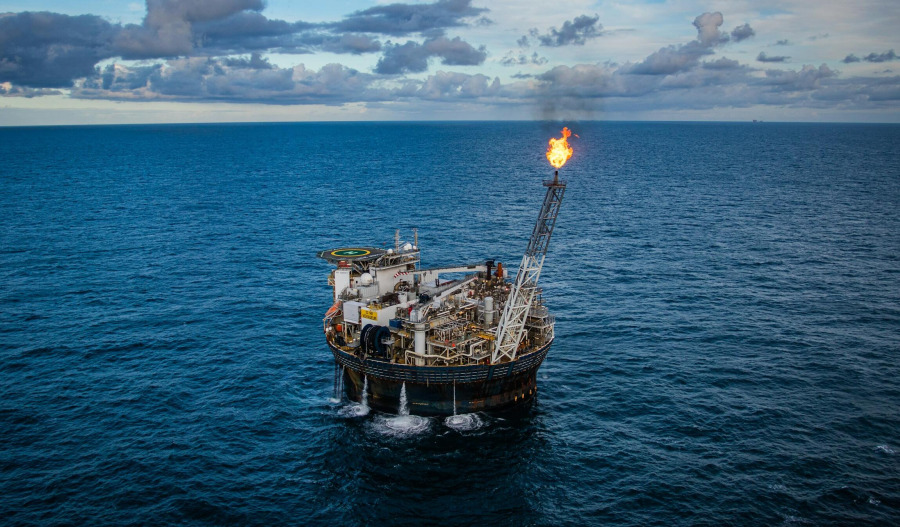
Oil prices climbed for a third consecutive session as escalating protests in Iran heightened concerns over potential supply disruptions.
During a White House meeting on 9 January, ExxonMobil CEO Darren Woods described Venezuela as "uninvestable" without significant legal changes, dampening hopes for a rapid recovery in the country's oil infrastructure.
Uranium (URA ETF up 15%)
The uranium sector is experiencing a massive revival, with prices reaching their highest level in over two months.
Last week, Cameco and Brookfield announced a transformational partnership with the U.S. Government to construct at least US$80 billion worth of new nuclear reactors to power data centres and AI infrastructure.
Coal (US$107.30/t)
The International Energy Agency has warned that a global coal demand plateau is likely before 2030. However, the surge in AI-driven power demand is creating a unique reprieve for thermal coal producers like Whitehaven Coal, as some utilities delay the retirement of coal-fired plants to maintain grid stability.
LNG (US$3.22/MMBtu)
Liquefied Natural Gas remains under pressure as a massive "supply wave" arrives from the U.S. and Qatar.
Major exporters like Woodside Energy are facing what analysts describe as an LNG "sinkhole" as a global glut takes hold, with supply growth currently outrunning global demand for the fuel.