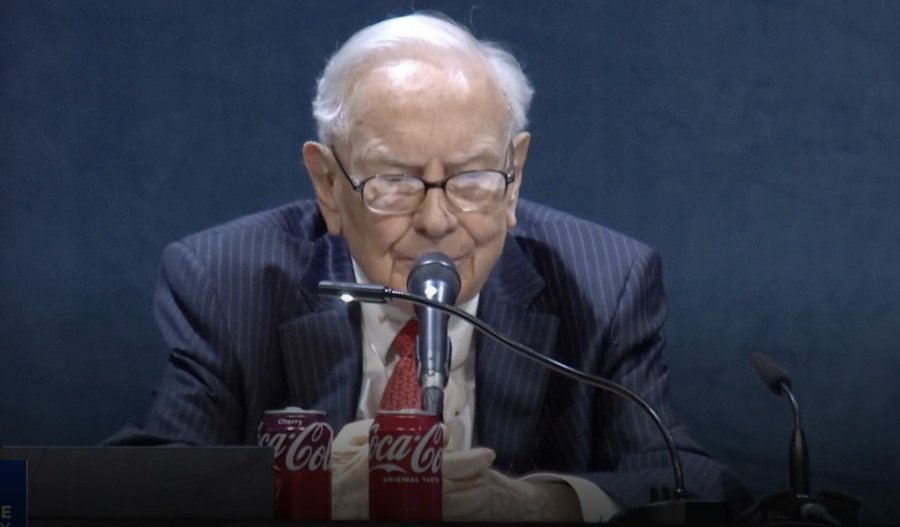

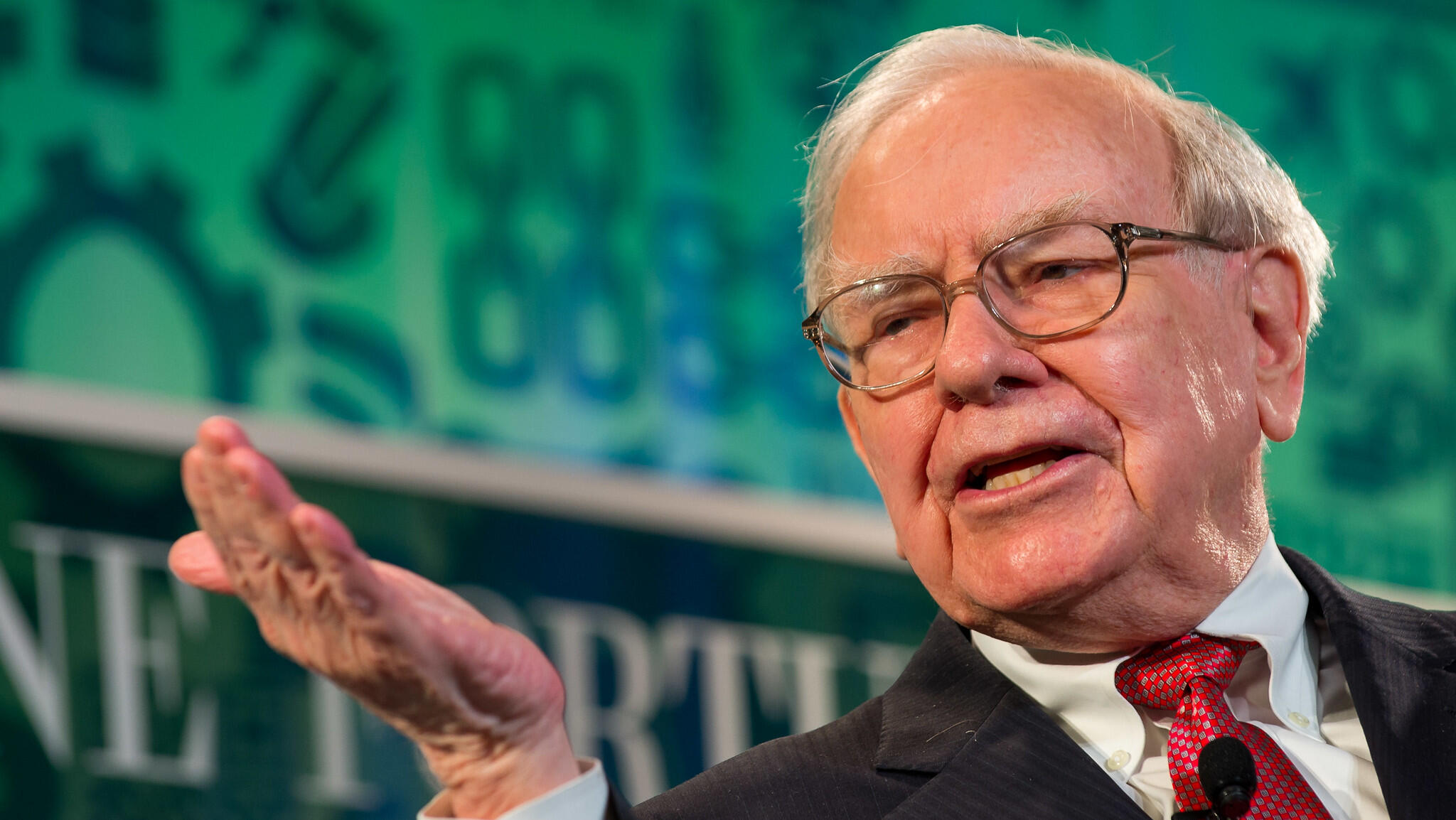
Warren Buffett's name is practically synonymous with long-term investing, patient capital, and business acumen refined over decades.
Now, at 95, the "Oracle of Omaha" is preparing to hand over the day-to-day reins of Berkshire Hathaway to Greg Abel while continuing to serve as chairman of the board, maintaining a crucial advisory role over acquisitions and strategic decisions.
His successor will take over as CEO on 1 January 2026. However, Buffett will continue to serve as chairman of the board, retaining an advisory role - particularly in areas such as acquisitions and strategic planning.
This transition marks the end of an era but not the departure of Buffett’s influence. As the steward of Berkshire’s extraordinary success, Buffett’s investment philosophy has defined modern value investing. His principles - shaped by logic, prudence, and humility - have been a guide for generations of investors.
The Transition at Berkshire Hathaway
The announcement came as a surprise during Berkshire Hathaway’s annual shareholder meeting in May 2025. In the final moments of the gathering, Buffett stunned attendees - and even Abel himself - by announcing that he had asked the board to formally appoint Abel as CEO effective at the end of the year.
While Buffett did not clarify his intentions regarding the chairman role at the time, he later confirmed he would continue to serve in that capacity.
On Sunday, the board unanimously approved the transition: Abel would take over as CEO, while Buffett would remain as chairman.
This move assures shareholders that Buffett’s voice will still be present during major decisions - particularly those involving Berkshire’s enormous US$347 billion cash pile.
“I could be helpful, I believe, in that in certain respects, if we ran into periods of great opportunity or anything,” Buffett said.

Market Reaction and Analyst Perspectives
The announcement triggered a swift sell-off as analysts remain divided on the long-term impact: some warn that Buffett’s departure as CEO could erode the conglomerate’s valuation premium, given his reputation as a uniquely gifted capital allocator.
Others argue that Abel, who has overseen some of Berkshire’s most successful non-insurance businesses, is well-positioned to sustain performance and preserve shareholder value.
Foundations of Value: Buffett’s Intellectual Framework
Buffett has always maintained that successful investing requires no special genius - just discipline and emotional restraint.
In the foreword to Benjamin Graham’s The Intelligent Investor, he wrote: "To invest successfully over a lifetime does not require a stratospheric IQ, unusual business insights, or inside information. What’s needed is a sound intellectual framework for making decisions and the ability to keep emotions from corroding that framework."
Buffett adopted Graham’s framework and refined it over time. At the heart of his approach is value investing - buying strong businesses when their share prices are significantly below their intrinsic worth.
As noted in a special letter on the Berkshire Hathaway website: "I purchased BPL’s first shares of Berkshire in December 1962, anticipating more closings and more repurchases. The stock was then selling for $7.50, a wide discount from per-share working capital of $10.25 and book value of $20.20.
"Buying the stock at that price was like picking up a discarded cigar butt that had one puff remaining in it. Though the stub might be ugly and soggy, the puff would be free. Once that momentary pleasure was enjoyed, however, no more could be expected."
He ignores short-term market fluctuations, focusing instead on long-term fundamentals - such as earnings, return on equity, and competitive position.
“Rule No.1: Never lose money. Rule No.2: Never forget Rule No.1,” he famously declared.
Intrinsic Value and the Margin of Safety
A cornerstone of Buffett’s philosophy is intrinsic value: the present worth of a company’s future cash flows. This focus allows him to see through market noise.
A textbook example is Berkshire’s investment in The Washington Post during the 1973 bear market. Buffett acquired shares at roughly 25% of their intrinsic value.
Though the price dipped further after his purchase, he held on. By 1985, the $10.6 million investment had ballooned to over $200 million.
However, as Berkshire Hathaway began to scale into a larger business, Warren credits Charlie Munger with championing a fresh paradigm:
“It took Charlie Munger to break my cigar-butt habits and set the course for building a business that could combine huge size with satisfactory profits.”
As noted on the Berkshire website, “Charlie’s most important architectural feat was the design of today’s Berkshire. The blueprint he gave me was simple: Forget what you know about buying fair businesses at wonderful prices; instead, buy wonderful businesses at fair prices.”
Forever Holdings: The Power of Time
Buffett’s favourite holding period is “forever”. In his 2024 shareholder letter, he reiterated: “Our horizon for commitments is almost always far longer than a single year… In many, our thinking involves decades.”
“These long-termers are the purchases that sometimes make the cash register ring like church bells.”
This philosophy is reflected in Berkshire’s enduring portfolio. Coca-Cola and American Express are two flagship holdings Buffett has owned for more than 35 years.
These companies have delivered not only consistent earnings but also enormous dividends - thanks to their economic moats and brand strength.
Building Quality: Economic Moats
Buffett’s emphasis on quality is encapsulated in his belief that “a truly great business must have an enduring ‘moat’ that protects excellent returns on invested capital”.
Coca-Cola is a classic example. Its brand, distribution, and pricing power have created a fortress around its market position.
Likewise, American Express’s premium reputation and customer loyalty offer long-term durability.
His approach is not to find what’s trendy but to identify franchises that can thrive for decades.
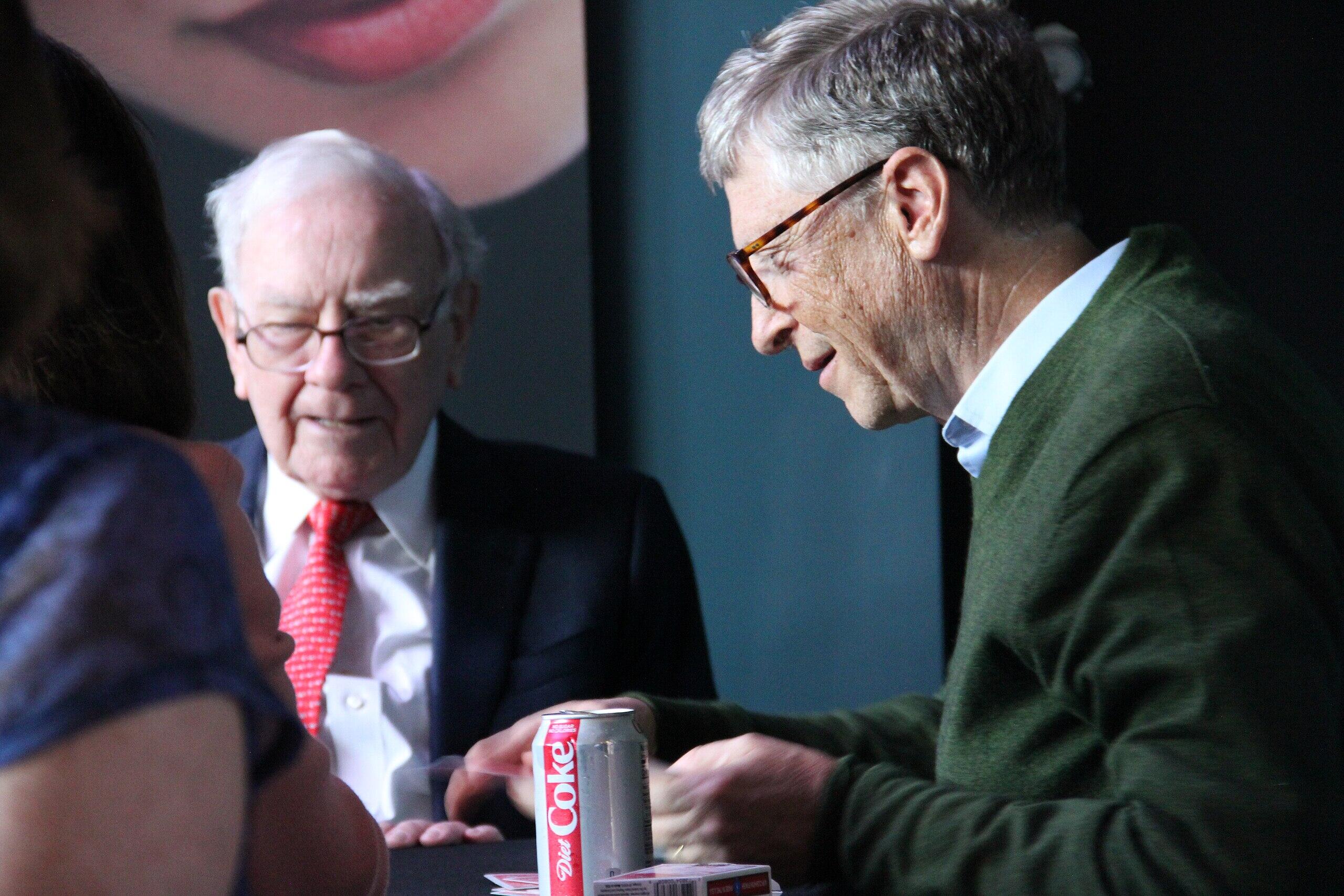
Bill Gates, a close friend, once remarked that Buffett “meticulously studies decades of annual reports to gauge whether management is expanding or allowing the moat to erode”.
A Legacy of Legendary Bets
In 1963, a fraud scandal plunged American Express shares from $60 to $35. While many fled, Buffett recognised that the core brand was intact.
He invested 25% of his partnership’s capital into AmEx. By 1967, the shares had more than doubled.
Today, American Express remains a cornerstone of Berkshire’s portfolio - proof that Buffett’s instincts during times of fear often lead to outsized gains.
This example highlights a core Buffett tenet: buy when others are afraid. “Be fearful when others are greedy, and greedy when others are fearful,” he often says.
Lessons from a Master: Buffett’s Wealth-Building Principles
Buffett’s approach to wealth-building can be summarised into ten core principles:
- Stay Within Your Circle of Competence: Buffett avoids investing in sectors he doesn’t understand - such as technology during the dot-com boom. “Risk comes from not knowing what you’re doing,” he says.
- Buy Wonderful Companies at Fair Prices: Under Charlie Munger’s influence, Buffett shifted from cheap stocks to high-quality businesses. He favours companies with predictable earnings, low debt, and strong brands - like Coca-Cola and Apple.
- Think Long-Term: Buffett writes, “When we own portions of outstanding businesses with outstanding managements, our favourite holding period is forever.” This long-term approach harnesses compounding and reduces trading costs.
- Be Patient and Disciplined: Buffett holds large cash reserves and waits for ideal opportunities. During the 2008 crisis, he invested US$5 billion in Goldman Sachs on favourable terms because he had the liquidity to act.
- Focus on Intrinsic Value: “Price is what you pay; value is what you get,” Buffett reminds investors. He buys only when market prices fall below intrinsic value - and sells rarely.
- Avoid Debt and Speculation: He warns against leverage and complex instruments, calling derivatives “financial weapons of mass destruction”.
- Reinvest Earnings Wisely: Buffett prefers reinvesting retained earnings over distributing dividends. This strategy has allowed Berkshire to compound wealth internally.
- Read and Learn Continuously: He reportedly spends up to 80% of his day reading, believing that “knowledge builds up like compound interest”.
- Ignore Market Noise: Buffett encourages investors to imagine a 20-punch investment card. This metaphor promotes selectivity and discourages overtrading.
- Live Frugally and Save Consistently: Despite his billions, Buffett lives simply. He believes financial freedom begins with disciplined saving.
Looking Ahead: Berkshire Without Buffett?
With the transition underway, all eyes are on Greg Abel. Buffett has assured investors that Abel is the right person to lead. When asked whether he was saving cash for Abel to deploy, Buffett joked: “I wouldn’t do anything so noble as to withhold investing myself just so that Greg could look good later on.”
Still, Buffett leaves behind an enormous financial arsenal - US$348 billion in cash - and a blueprint for how to use it wisely. Abel’s track record at Berkshire Hathaway Energy and BNSF Railway suggests he is capable of thoughtful, long-term capital allocation.
The challenge will be balancing new strategic initiatives with Buffett’s timeless playbook. As chairman, Buffett will remain a mentor and advisor, helping steer the company through volatile periods.
Notes From Buffett’s November 2025 Letter
In his latest address, Buffett confirmed he will cease writing the full annual report and speaking at length at the annual meeting, opting instead for a shorter “Thanksgiving message” going forward.
He disclosed that he has already converted 1,800 Class A shares into 2.7 million Class B shares and donated them to four family foundations, signalling a step-up in lifetime charitable giving.
He reiterated that while Berkshire’s businesses collectively have “moderately better-than-average prospects”, he cautioned investors that because of the company’s size, its ability to outperform dramatically is diminished.
He also noted that the company will maintain a strong shareholder-conscious culture, and noted that the stock price may move “capriciously”, sometimes falling about 50% as it has done three times during his management tenure.
Additionally, there was a surprising twist in Berkshire Hathaway’s Q3 equity portfolio: the firm acquired 17.85 million shares of Alphabet, Google’s parent company, worth roughly US$4.3 billion as of 30 September.
This isn’t a typical Buffett-style bet — tech has rarely been a major play outside of Apple — which makes the move all the more noteworthy.
At the same time, Berkshire trimmed its long-held position in Apple, reducing its share count by tens of millions.
Analysts are left wondering who made the call: was it Buffett himself, or one of his portfolio lieutenants like Ted Weschler or Todd Combs?
Either way, the Alphabet stake now ranks among Berkshire’s ten largest U.S. equity holdings.
Final Reflections
Warren Buffett’s partial retirement marks the close of a remarkable chapter in American business history. His influence, however, remains undiminished. In the words of JPMorgan CEO Jamie Dimon, Buffett represents “everything that is good about American capitalism and America itself – investing in the growth of our nation and its businesses with integrity, optimism and common sense.”
Apple CEO Tim Cook echoed the sentiment: “It’s been one of the great privileges of my life to know him. And there’s no question that Warren is leaving Berkshire in great hands with Greg.”
As Buffett steps back from daily leadership, his legacy is intact - not just in the billions earned for shareholders, but in the investment principles he championed: discipline, humility, and an unwavering belief in the power of long-term thinking.