The Bank of Japan has raised its short-term rates to the highest level in three decades, as inflation has remained above its target level for nearly four years.
The bank increased its benchmark by a quarter of a percentage point to around 0.75% in a much-anticipated decision. This is the highest it has been since 1995.
This comes as Prime Minister Sanae Takaichi is keen to bring inflation down, but also needs the cost of government borrowing to be cheap.
It was also the first time the central bank hiked rates since January, and the first under Takaichi and governor Kazuo Ueda took up their current role.
Data released this month showed that Japanese inflation has remained above the target level of 2% for 44 months. It came to 2.9% in November, a drop from 3% in October.
High inflation has pressured real wages that have been declining for 10 months in a row, according to labour ministry data.

The BOJ predicts that core inflation is likely to decelerate below 2% from April to September 2026, due to a slower rise in good prices as well as the effects of government measures aimed at addressing rising prices.
In a statement, the BOJ said while weakness has been seen in the economy, corporate profits are likely to remain high, and firms expect to continue raising wages in 2026.
“It is highly likely that the mechanism in which both wages and prices rise moderately will be maintained,” the bank said, adding that the possibility of underlying inflation reaching its 2% target was rising.
As the bank raises rates, the Japanese government bond yields have been hitting multi-decade highs, raising the borrowing costs for Japan and increasing financial strain.
Japan already boasts the world’s highest debt-to-GDP ratio at almost 230%, according to data from the International Monetary Fund.
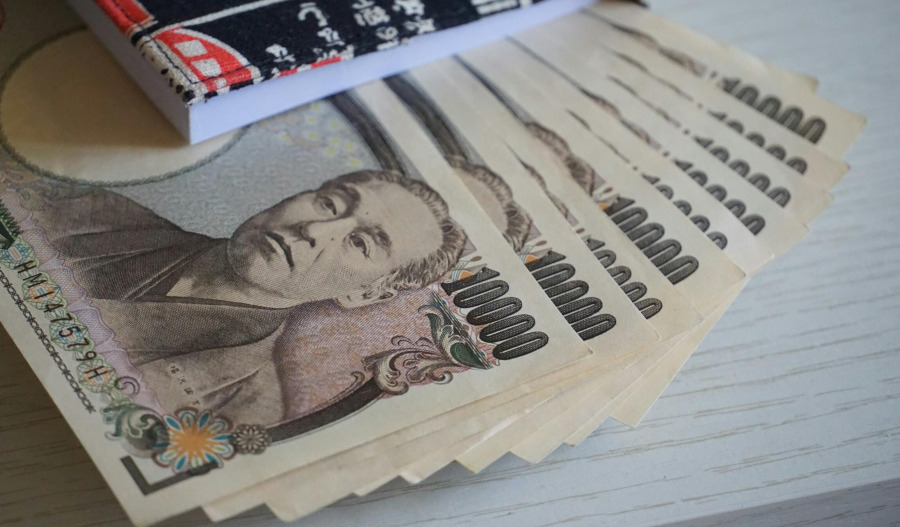
The yen has been trading around 154-157 against the dollar since November, having weakened over 2.5% since Prime Minister Sanae Takaichi, a proponent of looser monetary policy, took office in October.
In November, Japan’s cabinet approved a stimulus package totalling 21.3 trillion yen as Takaichi seeks to boost the country’s slowing economy and offer support to inflation-hit consumers.