
Big tech companies are scrambling to ensure the safety of their employees who are travelling through or based in the Middle East following the joint United States-Israel strikes on Iran over the weekend.
The massive attack killed Iran's Supreme Leader Ayatollah Ali Khamenei, among others, and Iran has retaliated with strikes on Israeli and U.S. bases across the Gulf.
The conflict has disrupted civilian life, travel, internet access and energy shipments across the region.
According to an email from Nvidia CEO Jensen Huang, the chip maker has temporarily closed its Dubai offices, with employees working there remotely.
He said that Nvidia’s crisis management team has been “working around the clock and actively supporting affected employees and their families” in the Middle East, including 6,000 employees who are based in Israel.
Nvidia acquired the Israeli Ethernet and network hardware maker Mellanox in 2019 for US$7.13 billion.
This was the biggest deal in Nvidia’s history at the time, and today Israel represents the company’s largest research and development base outside the U.S.
Huang said all Nvidia employees impacted by the conflict and their immediate families are safe.
“Nvidia has deep roots in the region,” Huang wrote.
“Thousands of our colleagues live there, and many more across the globe have family and friends affected by these events.
“Like you, I am watching with great concern for the safety of our Nvidia families.”
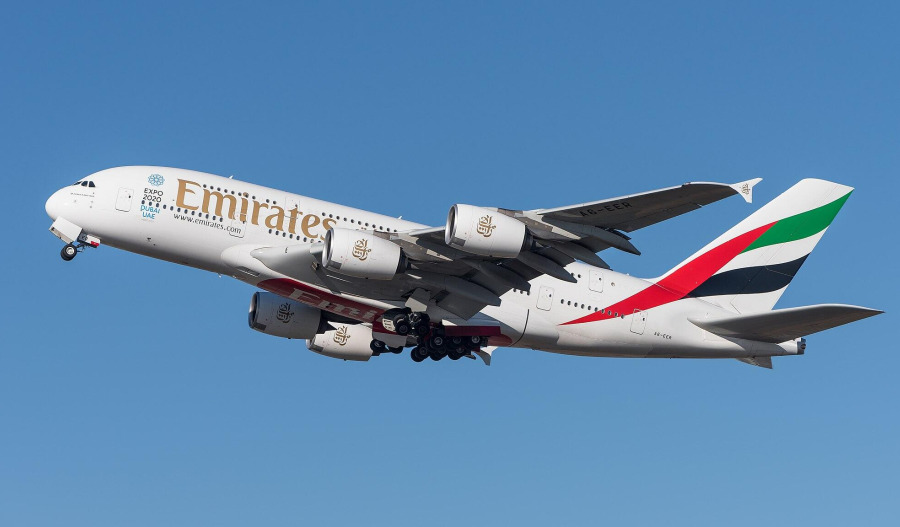
Disruptions to air travel have also led to dozens of Google employees being stranded in Dubai after a sales conference.

This came as the State Department urged Americans to depart the region by using available commercial transportation and working to secure military aircraft and charter flights to evacuate Americans amid rising conflict.
Sources say most of the Google employees made it out of the region, but that dozens still remain there.
Google said most of the impacted employees are not U.S.-based but in-region employees.
The company added that it has safety measures in place for its employees in the Middle East and has advised staff to follow guidance from local authorities.
“The situation in the Middle East is evolving rapidly, and we are monitoring it carefully,” a Google spokesperson said in an emailed statement.
“Our focus is on the safety and well-being of our employees in the region.”
Dubai is also a hub for Google’s cloud and sales operations. Tel Aviv, which was a central Israeli city that was also hit, is another major hub for Google.
Amazon, which has also grown its presence in the region in recent years, said it will alter operations there as it responds to the widening conflict in the region/
The company said it is instructing all of its corporate employees in the Middle East to work remotely and follow local government guidelines.
“The safety of our employees and partners remains our top priority, and we are working closely with local teams and local authorities to ensure they are supported,” an Amazon spokesperson said in a statement.
Amazon operates corporate offices in the United Arab Emirates, Saudi Arabia, Jordan, Kuwait, Egypt, Turkey and Israel. It also operates warehouses and data centres throughout the region, and “quick commerce outlets” in the UAE to fulfil 15-minute deliveries.
The company has encouraged customers to back up their data or consider migrating workloads to other regions.
Apple has also temporarily suspended operations at its corporate offices and all five retail store in the United Arab Emirates.