

Australia's private sector saw a slight decline in business activity in December, driven by a sharper downturn in manufacturing, according to the latest S&P Global Flash PMI data released on Monday.
The headline composite output index fell to 49.9 from 50.2 in November, marking a three-month low and signalling a marginal contraction in private sector output after two months of expansion.
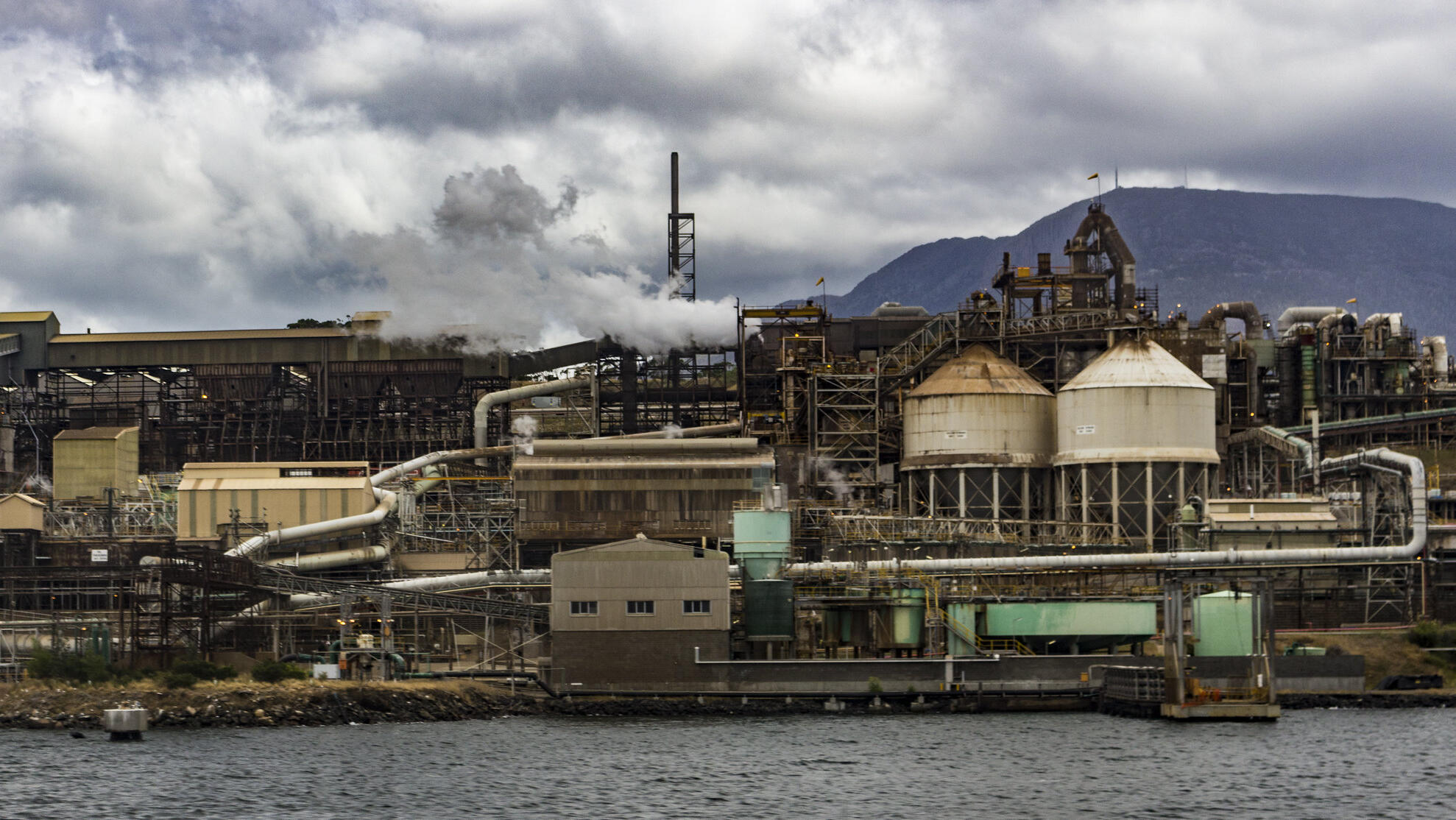
The manufacturing PMI slipped to 48.2 from 49.4, reflecting a steeper contraction, while the manufacturing output index dropped to 46.1, a two-month low.
In contrast, the services PMI business activity index remained just above the 50-mark at 50.4, indicating minimal growth.
Manufacturers reported that deteriorating market conditions had negatively impacted production in the goods-producing sector. Meanwhile, services activity growth was at its weakest since July, marking a soft patch in an otherwise 11-month growth sequence.

New business growth softened, with the new orders index posting a three-month low. While domestic demand supported new business expansion in the services sector, manufacturing orders declined at their fastest pace since October.
Labour market conditions also weakened. December saw employment decline for the first time since August 2021, with service sector job cuts offsetting a marginal rise in manufacturing headcounts.
Jingyi Pan, Economics Associate Director at S&P Global Market Intelligence, noted: “While business confidence climbed to the highest level in over two-and-a-half years, new business growth softened to a marginal pace and the level of unfinished work further fell. Importantly, the employment gauge showed a contraction for the first time since August 2021, including in the growing service sector."
The reduction in employment reflected a lack of pressure on capacity, as backlogs of work depleted faster than the annual average.
Input cost pressures intensified, with firms citing higher material, transportation, and labour costs. However, selling price inflation remained subdued, as businesses absorbed some cost increases to remain competitive.
Jingyi Pan said, “The softening of business conditions and muted selling price inflation are supportive of the lowering of interest rates by the Australian central bank in the new year, though rising cost pressure will need to be monitored for passthrough to selling prices in the coming months.”