The Australian sharemarket is poised to open lower on Thursday, following a mixed lead from Wall Street overnight and a sharp surge in global oil prices, which climbed around 8% to above US$110 per barrel.
Futures indicate a weaker start for local equities, down 69 points, or 0.8%, pointing to an opening level of 8,627.
The cautious tone follows heightened geopolitical tensions in the Middle East, which have driven energy prices sharply higher and added to inflation concerns globally.
Luka Belobrajdic, economist at Westpac Group, noted: "Developments in the Middle East saw reports that President Trump has rejected Tehran’s latest proposal, reaffirming that the U.S. will not lift its naval blockade of the Strait of Hormuz until a deal addressing Iran’s nuclear programme is secured.
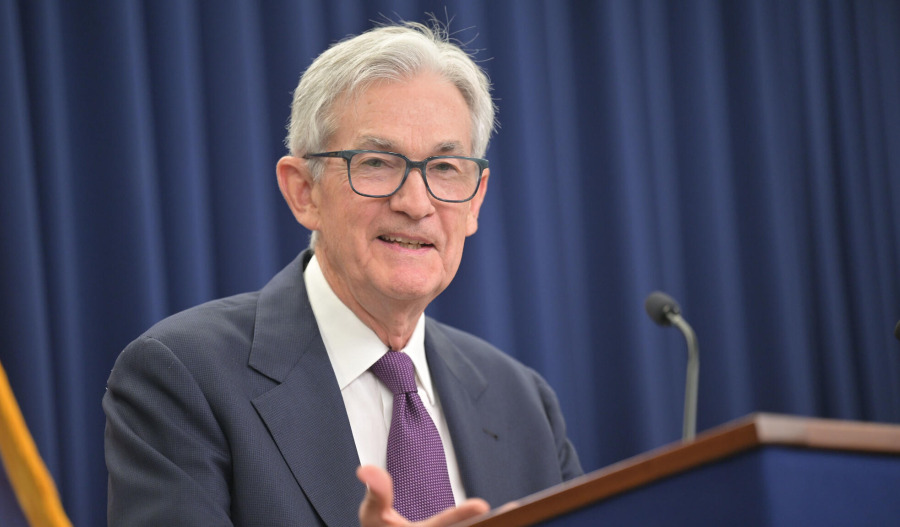
"In the U.S., the FOMC left policy unchanged at its April meeting in an 8–4 vote. In his press conference, Chair Powell noted that this would be his final meeting as Chair, adding that he intends to remain on the Board as Governor until investigations into the Federal Reserve are concluded with ‘finality and transparency’."

On the domestic front, the Australian market ended Wednesday’s session lower, marking its seventh consecutive decline.
The benchmark index fell 23.7 points, or 0.3%, to close at 8,687.0.
Attention in Thursday’s session will turn to a busy slate of corporate earnings, with results due from Boss Energy, Capstone Copper, Liontown, Mineral Resources, Origin Energy, Stockland and Woolworths Group.
Economic data will also be in focus, with Australian March private sector credit figures and first-quarter export price data scheduled for release at 11:30 am AEST (1:30 am GMT).
Globally, central bank developments remain a key driver, with both the Bank of England and the European Central Bank set to deliver policy statements later in the session.
On the bond markets, Australian government yields edged higher, with the 10-year and 2-year rates both rising 0.5% to 5.08% and 4.791%, respectively.